
Shin guards for feet outings
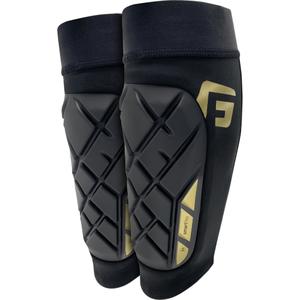


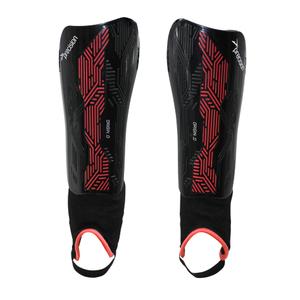
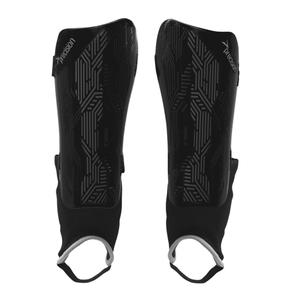
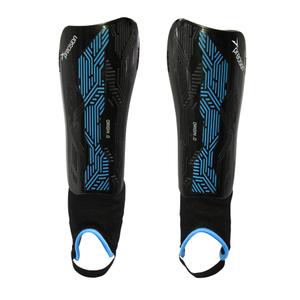
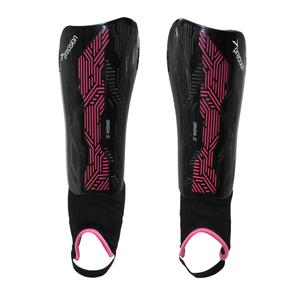
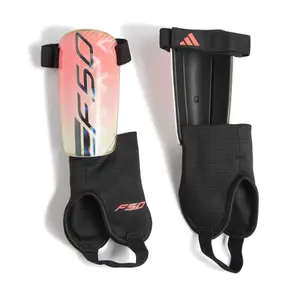
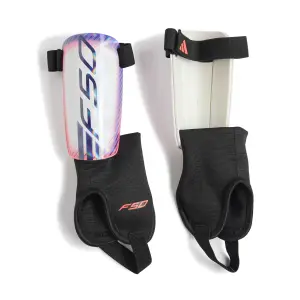
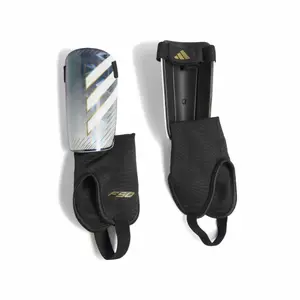
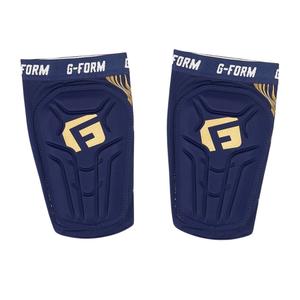
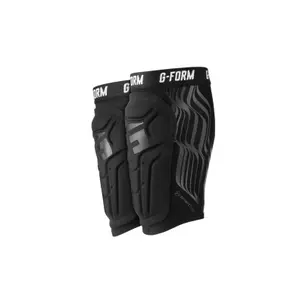
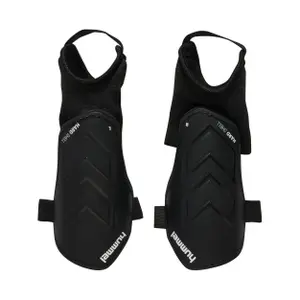

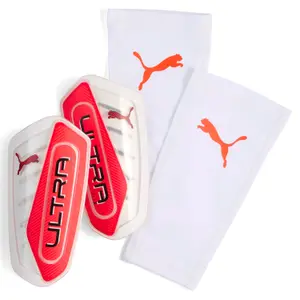
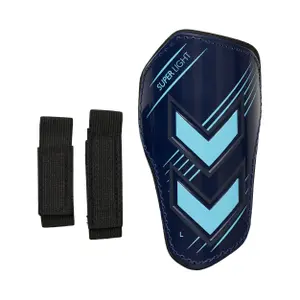

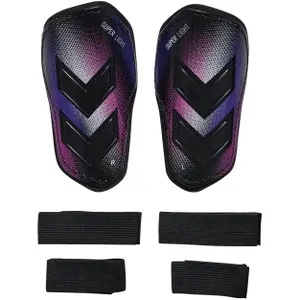
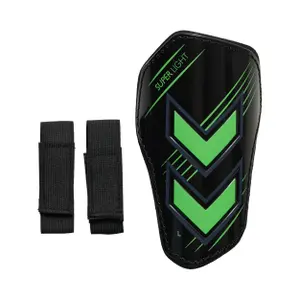
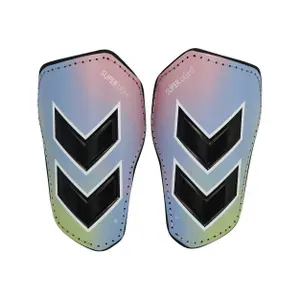
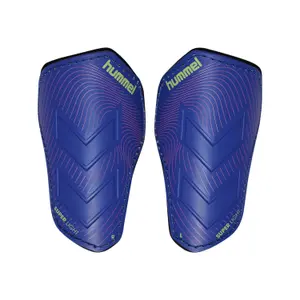
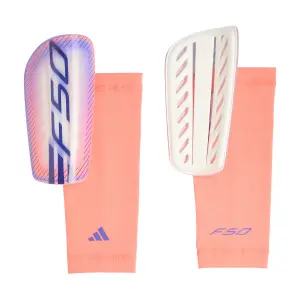
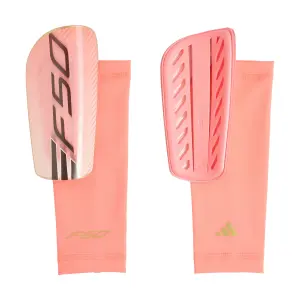
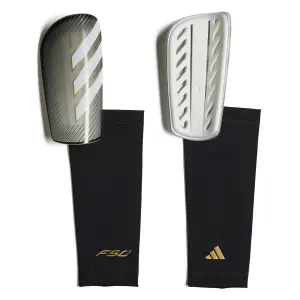

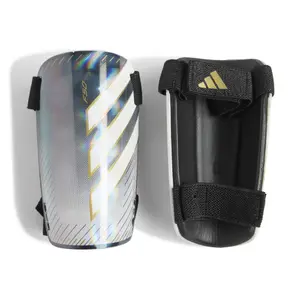
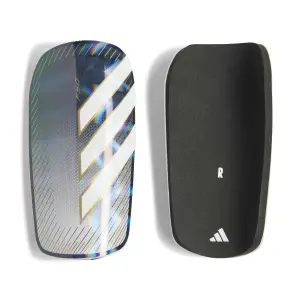
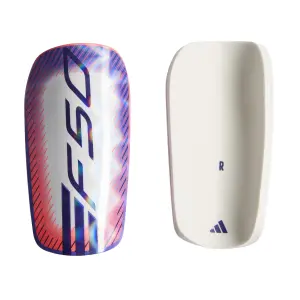


The goalkeeper shin guard is mandatory during matches just like for all players, and it works hard in the position: rushing out to meet attackers, making tackles in the box, and dealing with late studs. G-Form, Uhlsport, adidas, Puma, Hummel, and Precision offer reactive shells made from carbon or polypropylene, to slide into a sleeve or attach with a strap.
Cover your shins, keep your touch.
What the Rules of the game and the EN 13061 standard say
Rule 4 requires each player, including the goalkeeper, to wear shin guards made of suitable material, of an appropriate size to provide reasonable protection, and fully covered by socks. The referee checks their presence, but choosing a suitable size is the player's responsibility.
In Europe, the EN 13061 standard, revised in 2009, governs the design of football shin guards: protected area, impact resistance, dimensions, maintenance, and marking. Models with the CE mark, such as the Pro-S Elite X or the V2 from G-Form, demonstrate their compliance with European protection equipment requirements.
Also protect ankles, knees, and elbows
The shins are just one exposed part of the body: ankle guards stabilise footing, knee pads cushion stops on the ground, and elbow pads protect against falls with outstretched arms. All goalkeeper protections are gathered on a common page.
Reactive shells, carbon or polypropylene: the materials
Shin guards G-Form use a soft material that hardens upon impact to distribute energy across the entire shin; the Pro-S Elite X pairs it with an integrated sleeve that fits the calf, and the V2 is available in children's size.
The Carbonflex Evo from Uhlsport combines polypropylene and carbon to keep it lightweight, with ventilation and a separate compression sock. Classic polypropylene shells range from more protective to lighter: Hard Shell and Super Light from Hummel, Ultra Flex and Ultra Light from Puma, F50 line from adidas in Match, League, Club, and children's versions.
Slip-on, strap, or with ankle guards
The slip-on model fits into a compression sleeve or directly under the sock. It is thin, discreet, and favoured by goalkeepers who want to maintain foot sensations, without a strap or Velcro that compresses the calf.
The strap model, like the Ultra Light Strap from Puma, secures with a band around the calf and doesn't move, even when the sock slips down. The model with ankle guards, like the Origin.0 from Precision, also covers the malleoli: a good choice for a young goalkeeper who takes hits during exits, at the cost of being a bit bulkier.
When to replace shin guards on a budget
A cracked shell or a stretched sleeve should be replaced immediately, but a planned replacement can easily be timed for Black Friday, the holiday season, or winter sales, through the goalkeeper promo page. The French Days for goalkeeper equipment, summer sales, and the return to training follow, with clearance of end-of-line products.
Frequently asked questions
What size shin guard should I choose?
The shin guard should cover the shin from a few centimetres below the knee to above the ankle. Manufacturers indicate a size based on height: between two sizes, the larger offers better protection, as long as it doesn't restrict foot flexion.
How do I keep a shin guard from slipping during a match?
Slide it into a fitted compression sleeve or choose a strap model. An adhesive band around the sock, applied without too much tightness, will help secure it for goalkeepers who dislike feeling their protection move.
How do I remove odours from a shin guard?
Rinse the shell with soapy water after sessions, let it air dry, and wash textile sleeves in the machine on a low temperature. Never leave them closed and wet in the sports bag.
Can a child wear adult shin guards?
No, a model that is too long hits the instep and hinders running, and a model that is too wide twists on the leg. Children’s versions from G-Form, adidas, or Uhlsport are sized for shorter shins.
Should I change shin guards after a heavy impact?
Inspect the shell after any major impact: a crack, even a small one, significantly reduces its ability to distribute the next impact. If it is intact and the sleeve still holds, it may continue to be used.