
Goalkeeper gear, from ankles to elbows
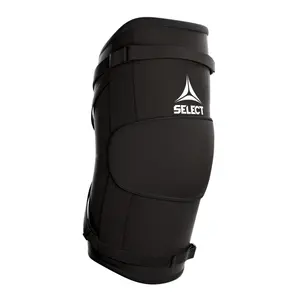


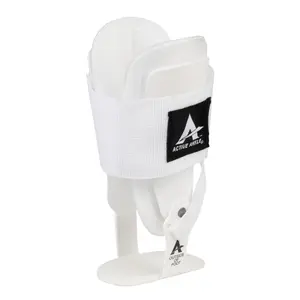
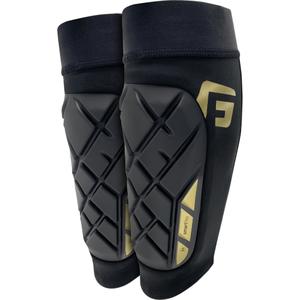


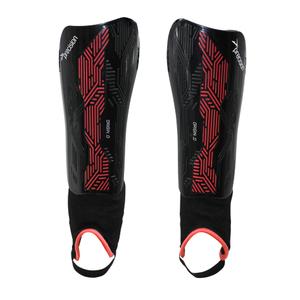
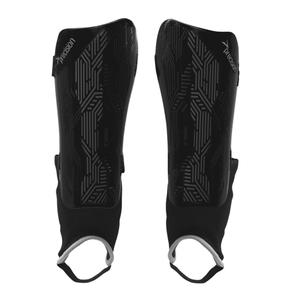
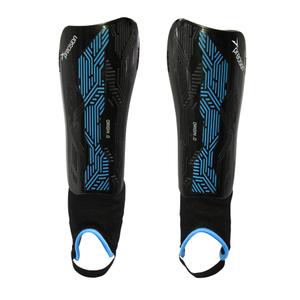
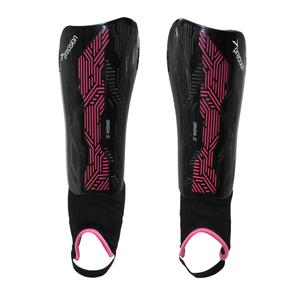

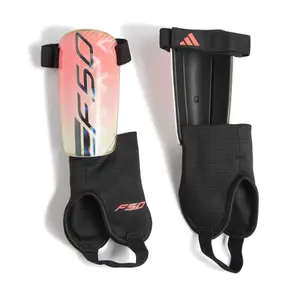
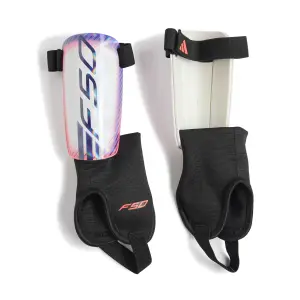
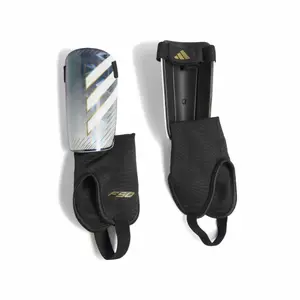

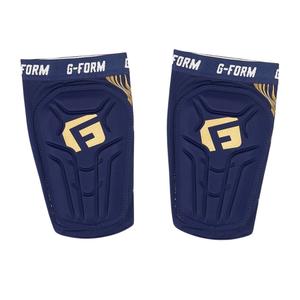


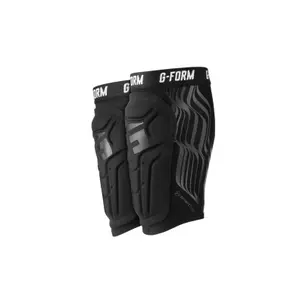
Goalkeeper protections cover the four areas that the position puts to the test: the elbows and knees hitting the ground with every dive, the shins exposed during challenges for the ball, and the ankles taking the strain during lateral supports. Elbow pads, knee pads, ankle guards, and shin guards combine according to your pitch and your past.
Protect each joint without losing mobility.
Which areas to protect when goalkeeping
The goalkeeper does not take hits in the same places as a field player. The elbows touch the ground first when diving with arms outstretched, the knees take the impact during dives onto the ground and quick recoveries, and the shins take the studs when going for the feet of an attacker.
The ankle, on the other hand, works tirelessly: every lateral push and every catch after a tip over goes through it. A goalkeeper playing on synthetic turf or who has already had a sprain should therefore protect several areas at once, starting with the one that has already caused issues.
Goalkeeper protection zone by zone
Each zone has its own page: goalkeeper elbow pads to cushion the dives with stretched arms, goalkeeper knee pads for stops on the ground, shin guards for outings into feet, and ankle braces to stabilise the support. Young goalkeepers can find suitable sizes among the children's goalkeeper protections.
Hard shell, reactive material or neoprene: three technologies
- The hard shell spreads the impact over a large area: this is the principle behind the Hard Shell shin guards from Hummel or the Carbonflex from Uhlsport, which combines polypropylene and carbon.
- The reactive material from G-Form remains flexible at rest and stiffens upon impact, protecting without hindering movement.
- The neoprene and compression, found in products from Hummel, McDavid or Select, keeps the joint warm and supports it, sometimes reinforced with splints like those on the splint elbow brace from Select.
Wearing multiple protections under goalkeeper gear
Protections layer over the gear; they don't replace it. A thin elbow pad can slip under a long-sleeved shirt, a compression knee pad can go under goalkeeper trousers, and the shin guards must be covered by the socks, as required by Law 4.
The trap is accumulation: two layers of foam in the same spot can shift and create a point of friction. So, choose a zone protection, in your exact size, and check that it doesn’t move when you bend the joint. A compression that’s too tight leaving deep marks or causing tingling should be replaced with the next size up.
Renewing your protections during key times of the year
Protections wear out with washing and impacts: take advantage of Black Friday and the end-of-year holidays to replace them, then check out the winter sales on the goalkeeper promo page. The French Days for goalkeeper gear in spring, summer sales, and the return to training are also key times, not forgetting the clearance for end-of-line products.
Frequently Asked Questions
Do football goalkeeper protections work for handball?
Elbow pads and knee pads are very suitable for handball goalkeepers, who fall on an even harder surface. However, football shin guards, designed against studs, are not very useful indoors.
Should a beginner wear protections from their first sessions?
Shin guards are mandatory from the first match. For elbows and knees, it is strongly advised on synthetic turf: a young goalkeeper who doesn't get hurt when diving progresses faster and maintains confidence.
Can a neoprene protection irritate the skin?
Neoprene retains heat and sweat, which can irritate sensitive skin during long sessions. Wash it often, wear it over dry skin, or opt for a more breathable compression fabric like those from Hummel.
When should you replace an elbow pad or knee pad?
As soon as the foam remains compressed after an impact, if the elastic no longer holds the joint, or if a shell has a crack. A protection that slips during the match no longer cushions anything and can even hinder your footing.
Does a support brace replace medical advice?
No. After a sprain or ligament pain, choosing a brace with splints or hinges should be done with a doctor or physiotherapist, who will also define how long to wear it and when to return to the field.