
Goalkeeper gloves for matches and training
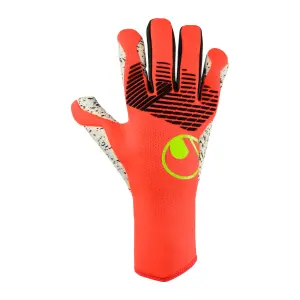
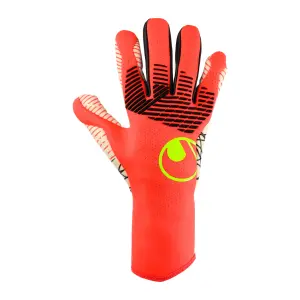

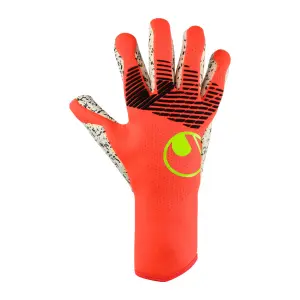
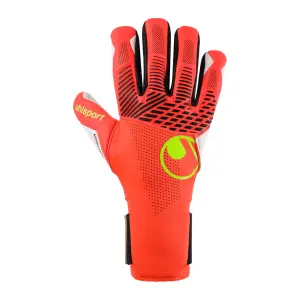
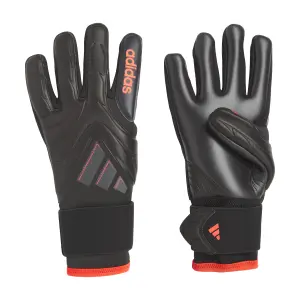
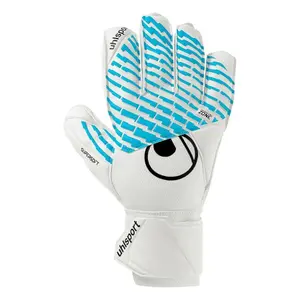
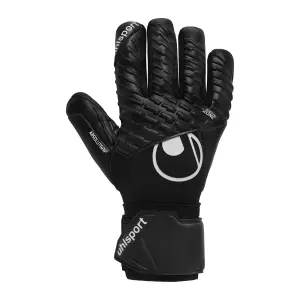
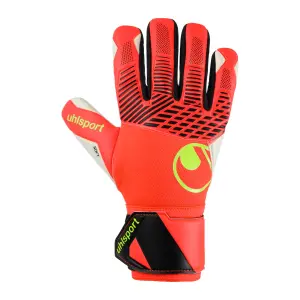
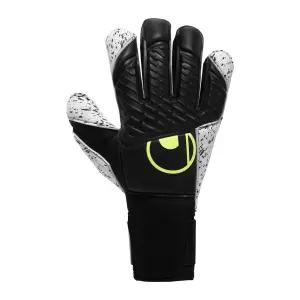
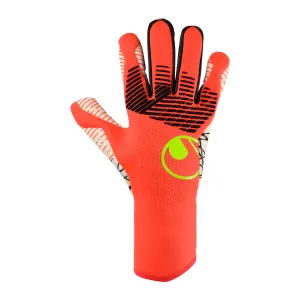
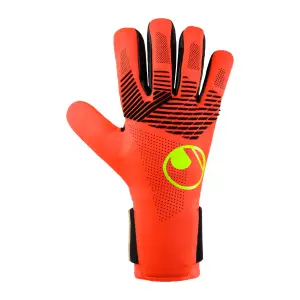


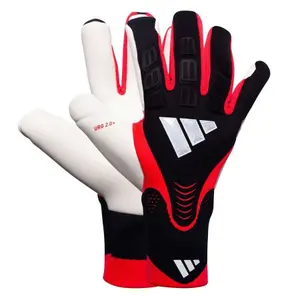

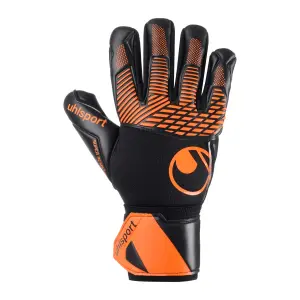

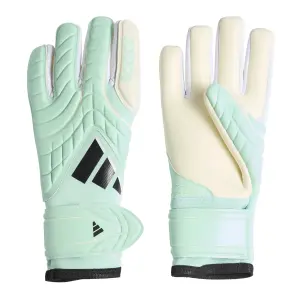
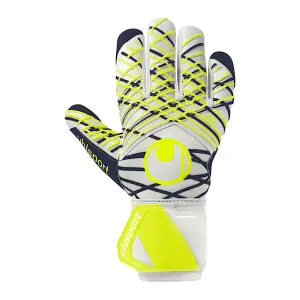

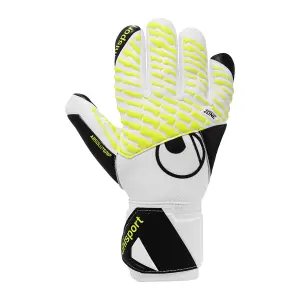

The goalkeeper gloves connect your hands to the opposing strike: the latex foam palm grips, the cut regulates the feel, and the wrist support secures every dive. Goal-Foot brings together match and training gloves from Uhlsport, Reusch, adidas, and T1TAN, in adult and child sizes, with or without finger protection bars.
Find the pair that suits your game.
Flat cut, negative, rollfinger or hybrid: what's the difference
The cut determines how the latex wraps around your hand. The flat cut, the oldest, sews inserts between the fingers with the seams on the outside: the glove remains roomy, perfect for larger hands. The negative cut places the seams on the inside, which makes the foam stick to the fingers and provides a very precise touch. The rollfinger wraps the latex around each finger, without an insert, to offer the largest contact area on high balls. Hybrid cuts mix these principles, like the half-negative HN from Uhlsport, which keeps a close fit without being restrictive.
Explore goalkeeper gloves by type, brand and use
To go straight to the cut that suits you, the Types of Gloves page sorts the models into flat, negative, rollfinger, and hybrid. If you're loyal to a manufacturer, Brands brings together each equipment supplier for the position. The latest colours and references are listed in New Arrivals. To extend the life of your palm, Glove Care offers cleaners and grip sprays. The younger ones have their dedicated selection in Kids' Goalkeeper Gloves, and the rest of the kit for the position can be found in Goalkeeper Equipment.
Latex foam, grip and surface: choosing the right palm
All ball handling takes place in the foam of the palm. A very natural, soft, and thick latex grips well but wears out quickly on the ground: it's reserved for matches on grass. Denser foams, like the Resist series from Uhlsport or the Solid and Infinity palms from Reusch, can withstand the friction of synthetic and hard surfaces, making them good training gloves. In rainy weather, latex designed for wet conditions, like Aquasoft from Uhlsport, gains grip once wet. Many goalkeepers rotate between two pairs: a soft palm for the weekend and a durable palm for training sessions during the week.
Finger protection and wrist support
The protection bars, called Fingersave by adidas, Finger Support by Reusch, or Flex Frame by Uhlsport, are reinforcements located on the back of the fingers. They limit hyperextension when a powerful shot forces the fingers backward, which is an advantage for young goalkeepers and those recovering from a sprain. However, they do make the hand a bit stiffer, and some experienced goalkeepers prefer to do without them. T1TAN actually offers most of its models with or without protection, indicated by the FP label. For the wrist, an elastic strap tightens the glove around the joint, while strapless models rely on a long cuff for support without pressure points.
Goalkeeper gloves on sale throughout the year
A pair of match gloves is often replaced several times per season, so it's worth aiming for the right times. Black Friday kicks off the season, followed by the end-of-year holidays, which are perfect for gifting gloves to a young goalkeeper, and then the winter sales. In spring, the French Days goalkeeper gloves selection takes over, before the summer sales and the resumption of training. All year round, Promos gathers discounted gloves and the Clearance sells off colours from previous collections.
Frequently asked questions
How do you know your goalkeeper glove size?
Measure the circumference of your open hand at the knuckles, excluding the thumb, then the length from the tip of the middle finger to the base of the palm. Refer these values to the brand's guide: sizes generally range from 4 for small children to 11 for large adult hands.
Should you wet your gloves before a match?
Most latex palms grip better when slightly damp: run them under water before warm-up and dampen them again at half-time. Foams designed for rain actually need water to reveal their full grip.
How long do a pair of goalkeeper gloves last?
It all depends on the foam, the surface, and the care. A very soft match palm used on synthetic surfaces can deteriorate in just a few sessions, while a training model with dense foam lasts much longer. Reserving the match pair for the weekends significantly extends its lifespan.
How do you wash gloves without damaging the latex?
Wash them by hand in lukewarm water, without harsh detergents or a washing machine, gently massaging the palm, and then press them without twisting. Allow them to air dry, away from a radiator and the sun, as heat dries out the foam.
Which gloves should you choose when starting out?
A beginner should opt for a durable palm and a comfortable cut, with protection bars if they often dive. The maximum grip of a high-end latex is not that beneficial until the ball handling technique is established, and it would wear out too quickly.