
Football shoes, from the pitch to the indoor court
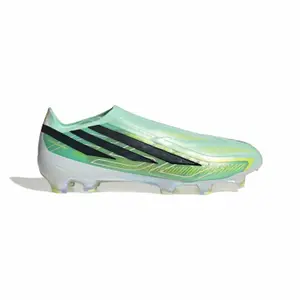
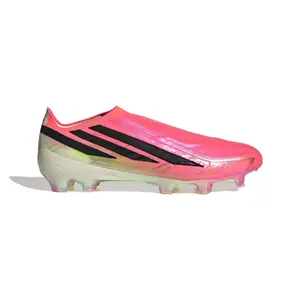
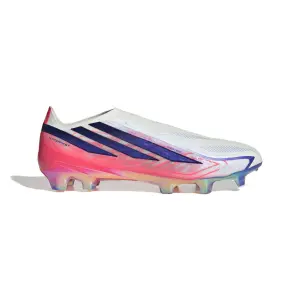
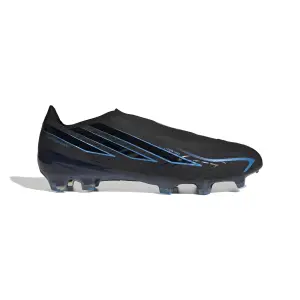
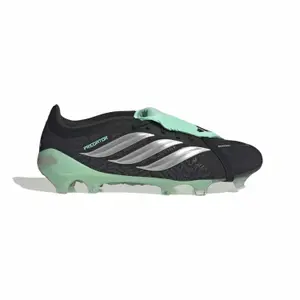
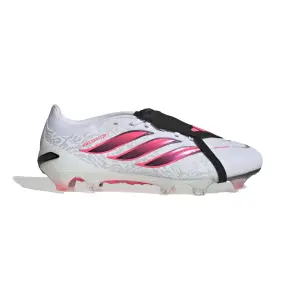
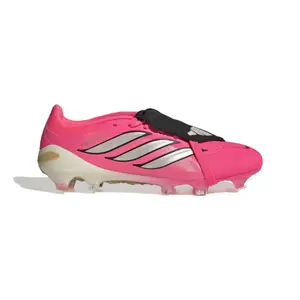
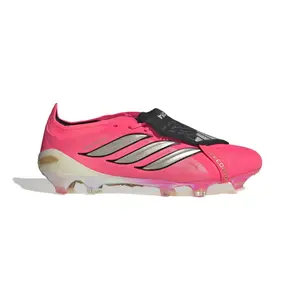
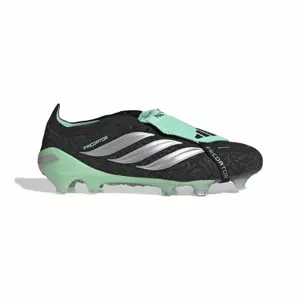
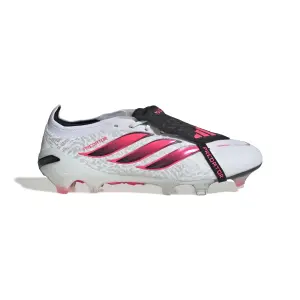
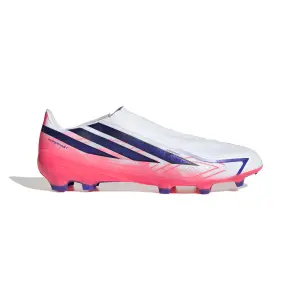
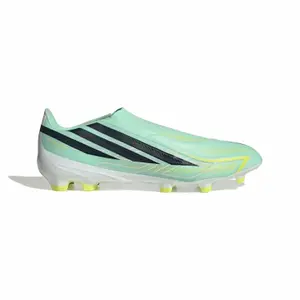
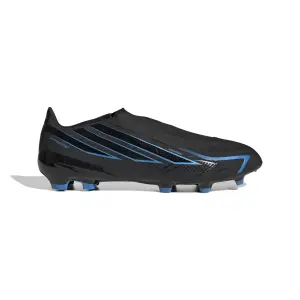
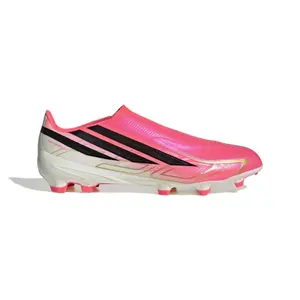
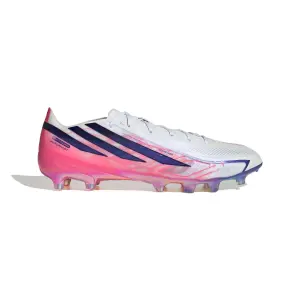
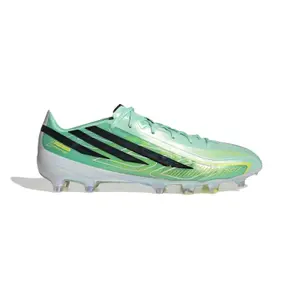
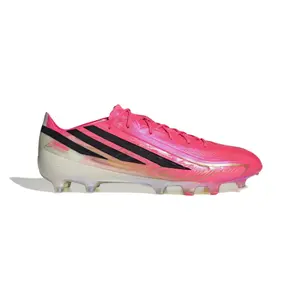
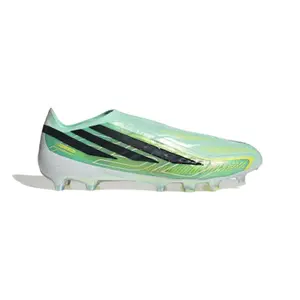
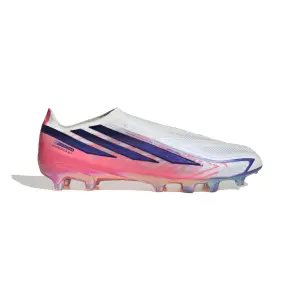
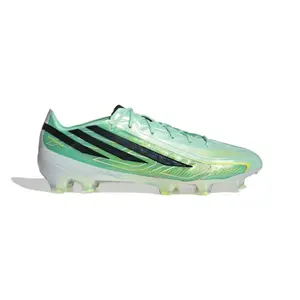
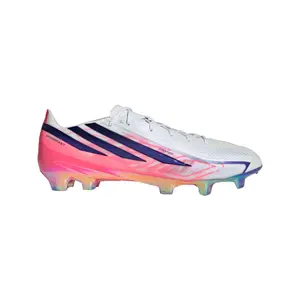
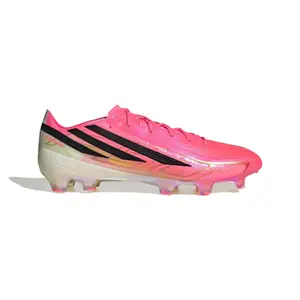
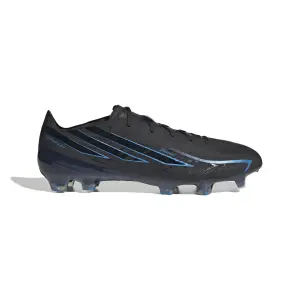
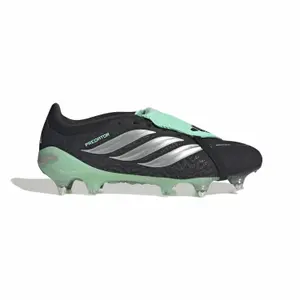
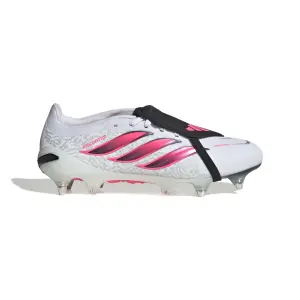
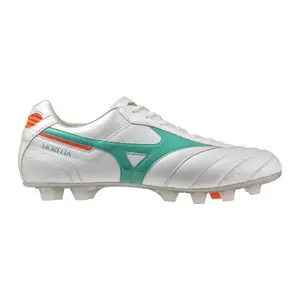
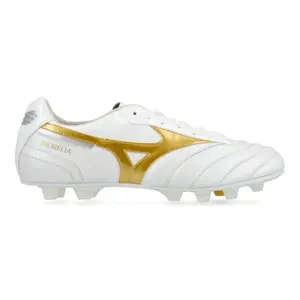
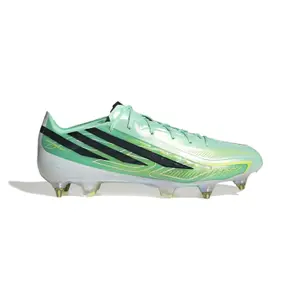
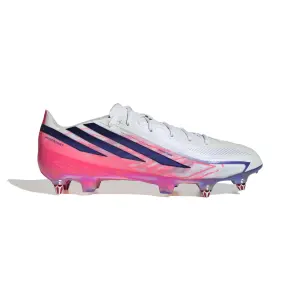
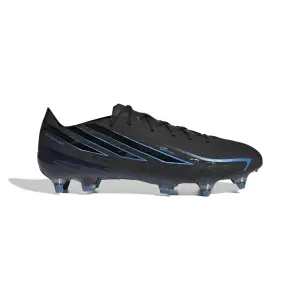
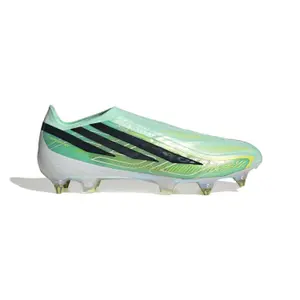
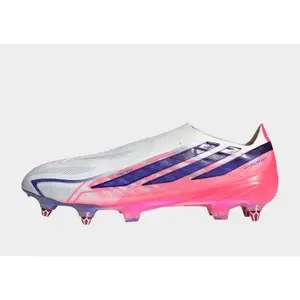
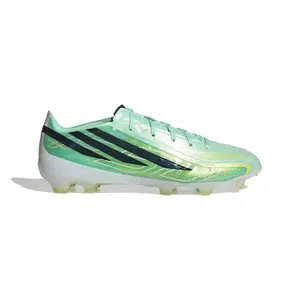
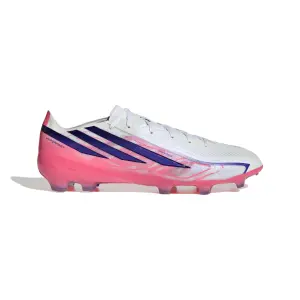
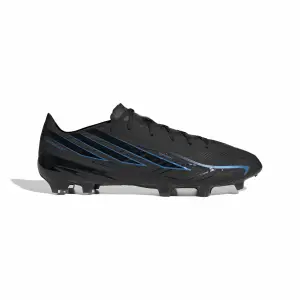
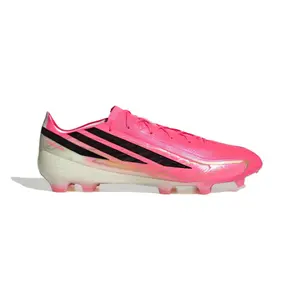
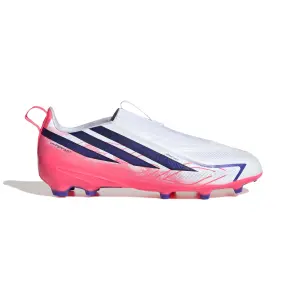
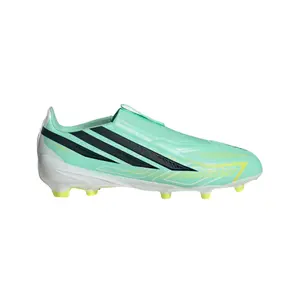
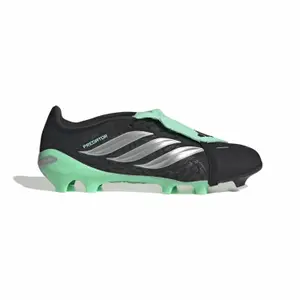
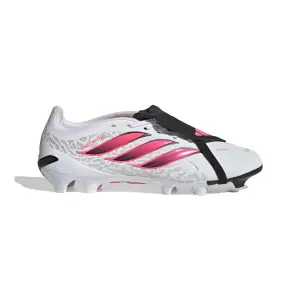
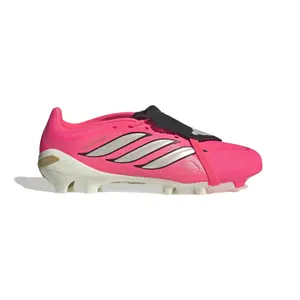
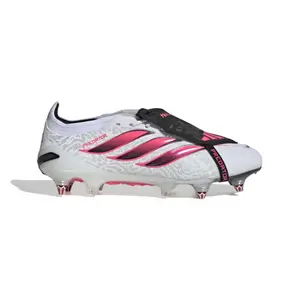
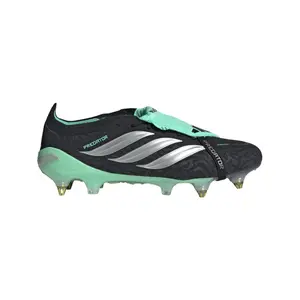
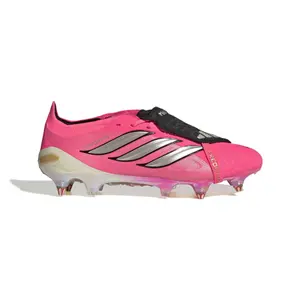
A football boot is primarily chosen by the sole: moulded studs for dry grass, detachable for wet pitches, small studs for hard synthetic surfaces, flat rubber for indoor. Next comes the upper, made of soft leather or fine synthetic, and the playing style: Predator for striking, F50 for speed, Copa for touch, Morelia for kangaroo leather.
The right sole for your pitch.
Which sole for which surface: FG, AG, SG, TF or IN
- FG (firm ground): moulded studs for dry or slightly damp natural grass, the reference surface for high-end models.
- AG (artificial grass): more numerous and shorter studs that distribute pressure on synthetic turf and are easier on the joints; FG/AG and MG soles bridge the two.
- SG (soft ground): screw-in studs, often mixed, for muddy winter pitches; to be avoided on synthetic surfaces.
- TF (turf): small rubber studs for hard synthetic and city pitches.
- IN or IC: flat non-marking rubber for gymnasiums and futsal.
Football boots by brand and use
To go straight to a brand, the adidas page groups together the Predator, F50 and Copa families, the Mizuno page features traditional Japanese leather models, the Puma page showcases the brand from Herzogenaurach, and the Others brands page covers boots from less expected manufacturers. The Pitches page sorts pairs by sole type, the New Arrivals showcase the latest colourways, and young players have their own selection of children's football boots.
Leather or synthetic: how the upper affects your foot
Natural leather stretches and eventually conforms to the shape of your foot. The Mizuno Morelia remains true to kangaroo leather at the toe and midfoot, known for its softness, while the Copa Gloro from adidas uses a padded cow leather at the front. The downside: leather absorbs water in the rain and requires regular maintenance.
Synthetic barely stretches, stays lightweight even when wet, and accommodates technical textures. The rubber Strikeskin wings on the Predator grip the ball in the strike zone, while the Sprintweb texture on the F50 helps with control at full speed.
Elite, Pro, League, Club: understanding the tiers
At adidas, each family comes in four levels. The Elite features the same materials and outsole as professional models, the Pro retains the essence with a simpler construction, the League targets the club player training two or three times a week, and the Club serves as a solid entry point for beginners.
At the same level, the labels describe the fit: LL for a laceless version, FT for the fold-over tongue inherited from the classic Predators, and Vel for the Velcro fastenings for the younger players. A well-chosen mid-level fit for your surface is better than a poorly adapted Elite.
Good times to change your studs
Football boot promotions ramp up during Black Friday, then around the end-of-year holidays and winter sales, when muddy pitches wear down screw-in soles. The French Days for football boots arrive in spring, just before the summer sales and the resumption of training, a time when you buy the next size up for children. Older colourways can be found on clearance.
Frequently asked questions
What football boot should you choose if you have wide feet?
Opt for a leather upper, which stretches, and a range with a generous fit like the Copa or Morelia. Speed models, cut close to the foot, are better suited for slimmer feet and often squeeze the forefoot of a wide foot.
How to stretch a football boot that is too tight?
Wear it for a few hours at home with thick football socks, then during training before a match. Slightly dampened leather stretches more quickly; synthetic material moves very little, so it's best to get the right fit right from the start.
Should you take your usual size in football boots?
Generally yes, with about half a centimetre of space in front of your toes. Try them on at the end of the day when your feet may be a bit swollen, and with the socks you wear for matches.
Can you play with screw-in studs on a synthetic pitch?
No: screw-in studs do not grip well on artificial grass, damage the surface, and pose a risk to ankles and knees. Most clubs prohibit them on their synthetic pitches; an AG or TF sole is made for that.
What football boots are good for a child starting out?
A versatile FG/MG or TF sole depending on the club’s surface, and a Velcro fastening for the youngest who can’t lace up themselves. A League or Club level is sufficient: feet grow quickly and the pair will need to be changed within the year.