
Knee pads for goalkeepers who go to the ground
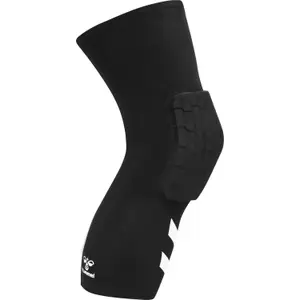
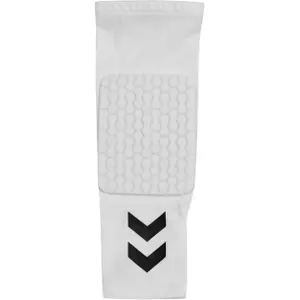
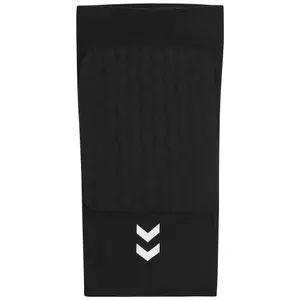
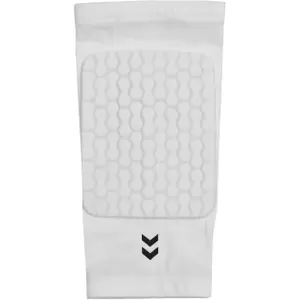
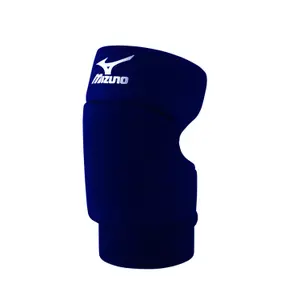
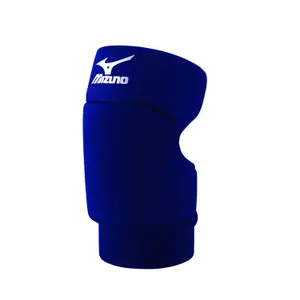
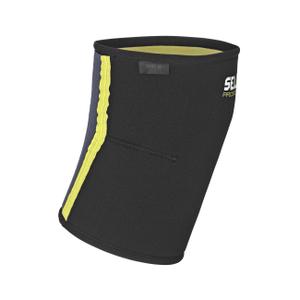
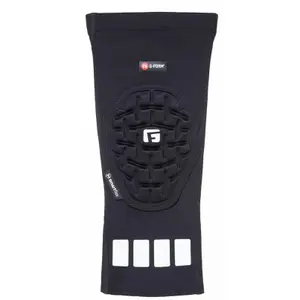
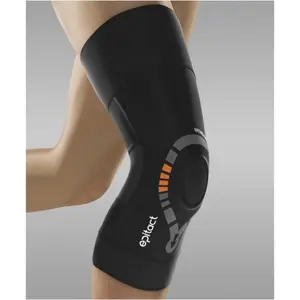
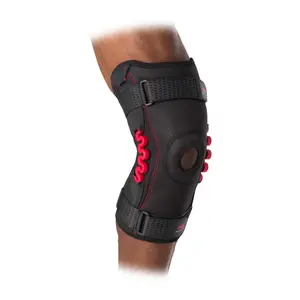
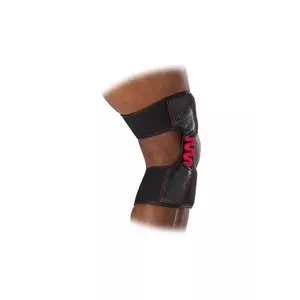
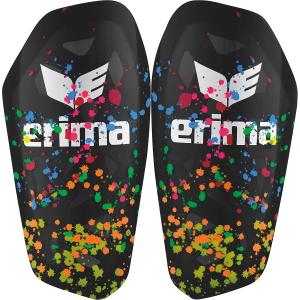
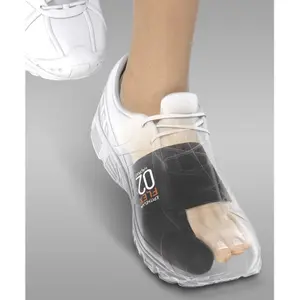
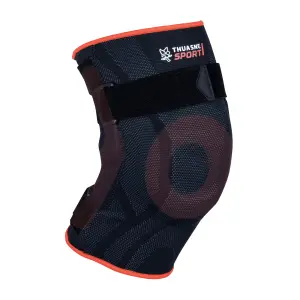
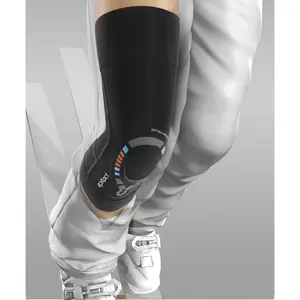
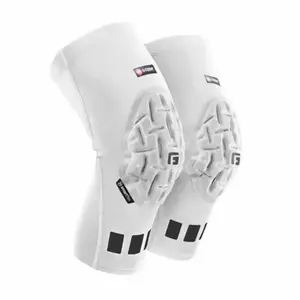
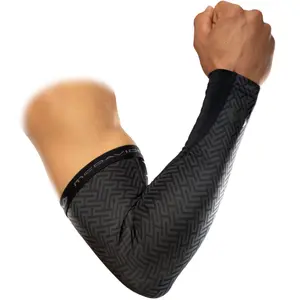
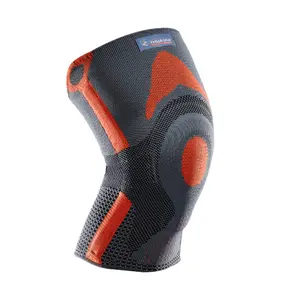
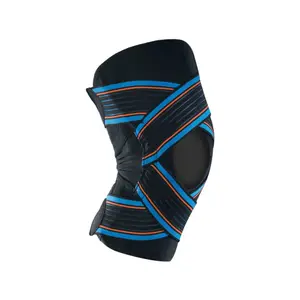
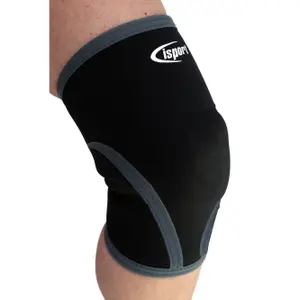
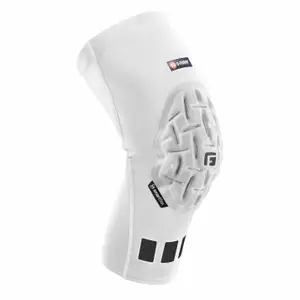
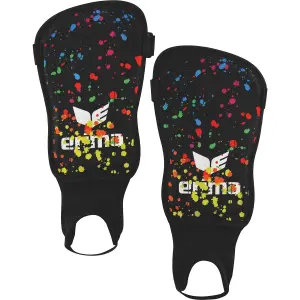
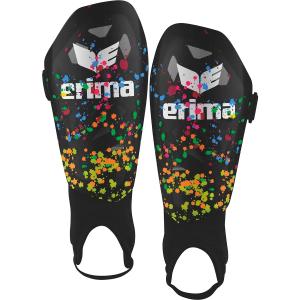
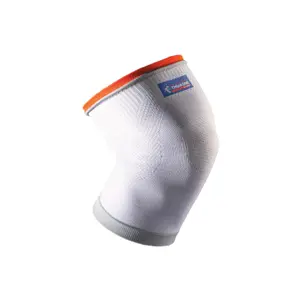
The goalkeeper knee guard addresses two distinct needs: cushioning the impact when the knee hits the ground during a save or when getting up, and stabilising a joint weakened by repeated pressure. Hummel, Mizuno and Erima focus on compression, G-Form on reactive protection, and Select, McDavid, Thuasne and Endurance on ligament support.
Cushion impacts, support the joint.
Absorbing shocks or supporting the knee: two uses
A goalkeeper puts their knee on the ground dozens of times per session: to block a shot down the middle, to get back up after a dive, or to lie in front of an attacker. The protective knee pad is used to absorb these impacts. The Pro Team pairs from G-Form, made of flexible material that stiffens on impact, or the Flex Guard from Erima fall into this category.
The knee support has a different role: it supports the kneecap or ligaments after an injury or in case of weakness. Brands like Thuasne, McDavid, Select, or Endurance offer these models, ranging from simple neoprene to reinforced braces.
The other protections for the goalkeeper
To complement these, elbow pads cushion dives with arms extended, shin guards protect the legs during close encounters, and ankle supports stabilize the stance. The page for goalkeeper protections brings together all areas.
Open, closed or articulated knee brace: how to choose
- The closed knee brace made of neoprene, like the one from PowerShot or the perforated model at the back from Select, wraps around the entire knee and keeps it warm.
- The open knee brace creates space for comfort: open at the back by Mizuno to facilitate bending, or the open version from the Protech range of Endurance.
- The articulated knee brace includes side supports: spring-hinged on the NRG range from McDavid, joints on the Protech from Endurance, to control twisting movements.
- The compression models from Hummel, both short and long, provide light support without hindering running.
Measuring your knee for a non-slipping knee brace
The size of a knee brace is measured with the leg straight, using a tape measure, at the middle of the kneecap or a few centimetres above according to the brand guide. A size that's too big will slide down the shin after ten minutes, while a size that's too small will squeeze the hollow of the knee and cause tingling.
Length also matters. A long model, like the Long Sleeve versions from Hummel, grips the thigh and calf better and stays in place during dives. A short model can be forgotten under shorts or goalkeeper pants but must fit perfectly to avoid twisting.
Good deals for replacing a knee brace
A loose knee brace should be replaced before it slides: think of Black Friday, the end-of-year holidays, and winter sales on the promotions page for goalkeeper equipment. The French Days for goalkeepers in spring, summer sales, and the return to training take over, and clearance sales gather the last models of a series.
Frequently asked questions
Can you wear a knee brace under padded goalkeeper pants?
Yes, as long as you choose a thin model, either for compression or support, and not a second thick protection. Two overlapping foams slide against each other and displace the padding when the knee hits the ground.
What knee brace is suitable for a child or junior goalkeeper?
For children, the priority is to absorb shocks, not to support a ligament: a soft, padded knee brace in their size is sufficient. Articulated braces are more suited for adults and for recovery after injury.
Is an articulated knee brace allowed by the referee?
The Rules of the game permit knee pads made of soft, lightweight, and cushioned material. A hinged brace must be deemed safe by the referee, who may ask for it to be covered or removed.
How can you tell if a knee brace is too tight?
Tingling, a leg that changes colour, or a deep mark in the hollow of the knee after a session are clear signs. A good compression supports without pain and is forgotten once warming up is complete.
Does the knee brace protect against burns on artificial turf?
Yes, it acts as a barrier between the skin and plastic fibres when you slide on your knees. A compression fabric model is sufficient against burns, while a padded protection is necessary if you go to the ground often.