
Goalkeeper pads to cushion every dive
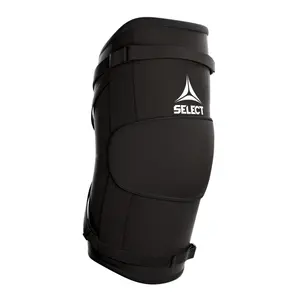


The goalkeeper elbow pad protects the joint that hits the ground first when you dive with your arms outstretched: on synthetic surfaces, the elbow absorbs both the impact and the friction from the granules. Rinat designs it with padding for the position, G-Form makes it flexible then rigid upon impact, Hummel and Errea focus on compression, Select on support splints.
Protected elbows, diving without fear.
How the elbow absorbs a goalkeeper's dive
When a goalkeeper dives to grab a low shot, they stretch their arms towards the ball and land on their forearm and then on the tip of the elbow. This point of support takes a good part of the body's weight at the moment of impact and then rubs against the ground during the slide.
Repeated dozens of times per session, these impacts can inflame the bursa located at the tip of the elbow, a condition known as hygroma. On synthetic surfaces, burns are also added. A well-placed elbow pad distributes the impact and protects the skin, allowing for a dive without holding back on the move.
Complement elbow pads with other protections
The elbows don't work alone: knee pads protect the other point of impact from landings on the ground, shin guards protect the legs during tackles, and ankle supports secure the footing. All goalkeeper protections are gathered on a single page.
Padded, reactive, or compression: three types of elbow pads
- The padded elbow pad from Rinat, a Mexican brand from León specializing in goalkeeping, places thick foam on the tip of the elbow to absorb shocks.
- The reactive elbow pad Pro-X from G-Form uses a soft material that hardens at the moment of impact, maintaining full arm mobility.
- The compression elbow pads from Hummel, Errea, McDavid, Softee or PowerShot keep the joint warm and limit friction, without thick padding.
- The splint elbow pad from Select, finally, limits extreme movements after hyperextension.
Size and fit of an elbow pad under a goalkeeper's shirt
An effective elbow pad doesn't move when you stretch and bend your arm. Measure the circumference of the arm at the joint, with the elbow slightly bent, and refer to the brand's size guide: a size too large will sag around the arm and leave the tip of the elbow exposed when diving.
Under a long-sleeved shirt, prefer a thin or compression model. If your shirt already has padded elbows, a compression elbow pad is enough: two thick foams layered on top of each other will end up slipping. The longer versions from Hummel, which cover part of the forearm, stay in place better.
Finding good deals for elbow pads
An elbow pad that no longer stays in place should be replaced without delay, but key times help: Black Friday, holiday season, and winter sales on the goalkeeper promo page. The French Days for goalkeeper equipment in spring, summer sales, and the resumption of training follow, and clearance sales feature end-of-line items.
Frequently asked questions
Should a child goalkeeper wear elbow pads?
On synthetic surfaces, it's highly recommended: a child who hurts their elbow while diving may end up holding back on their moves. A lightweight elbow pad in their size helps them gain confidence and practice their dives without fear.
How can I prevent an elbow pad from slipping during a match?
Choose the exact size rather than a larger one, put it on over dry skin, and adjust it before putting on the shirt. Longer models that cover part of the forearm and arm stay in place better than shorter ones.
Does an elbow pad relieve pain in the elbow tendon?
Some elbow pads, like the anti-epicondylitis model from Thuasne, apply targeted pressure under the elbow to relieve the tendon. They do not protect against shocks: consult a doctor if the pain persists.
Are elbow pads allowed in official matches?
Yes, Law 4 permits arm protections made from soft, light, and padded materials, as long as they pose no danger. A rigid splint may be checked by the referee, who can ask to cover or remove it.
Should you wash elbow pads after every session?
Ideally yes, or at least air them out: sweat seeps into the foam and neoprene. Wash them by hand or on a delicate cycle in a mesh bag, without tumble drying, to preserve elasticity and cushioning.