
AG boots for synthetic grass
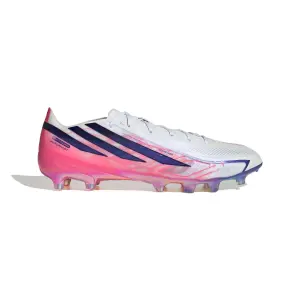
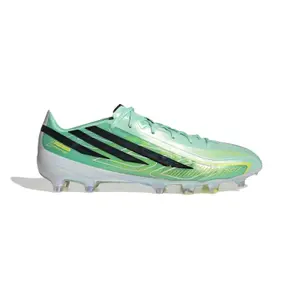
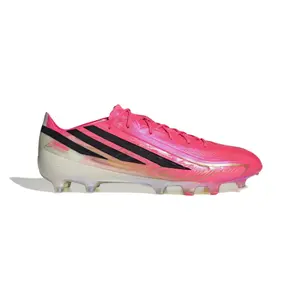
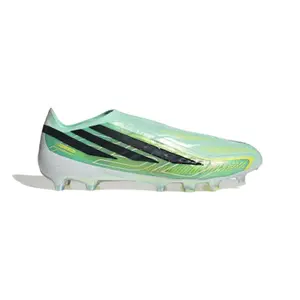
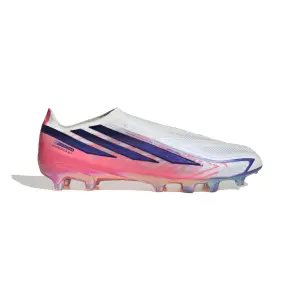
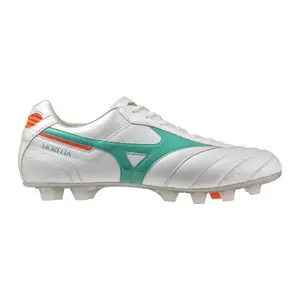
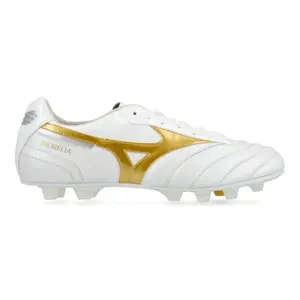
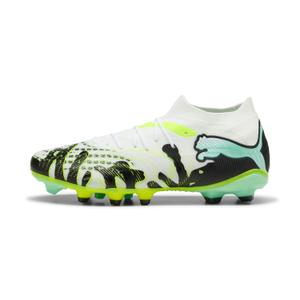
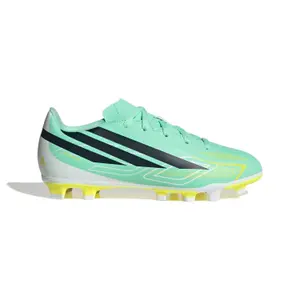
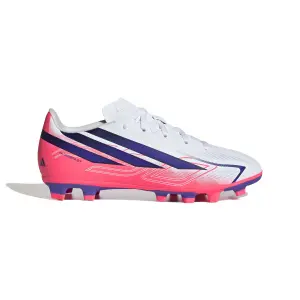
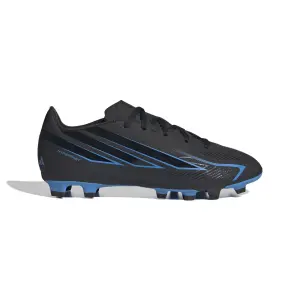
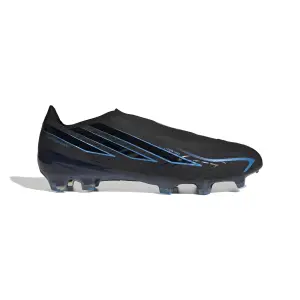
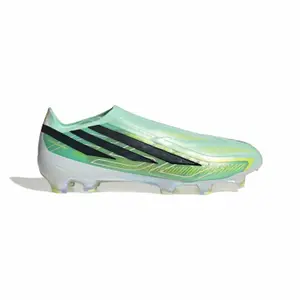
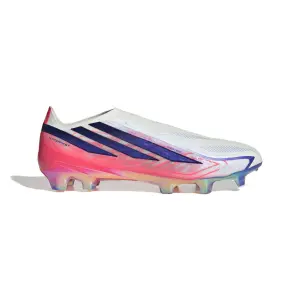
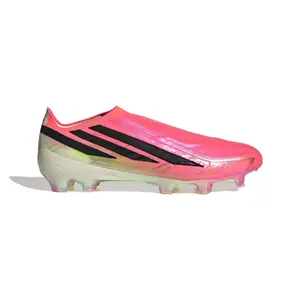
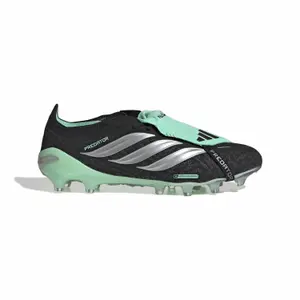
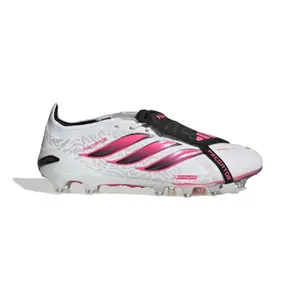
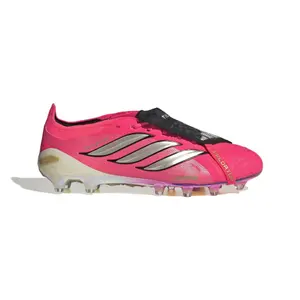
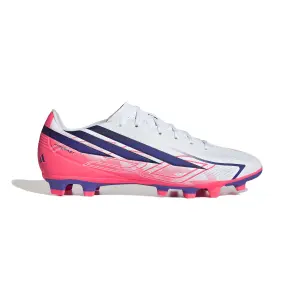
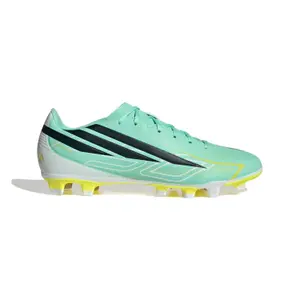
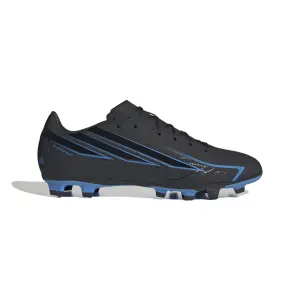
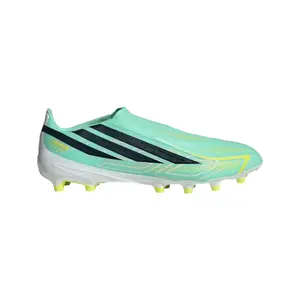
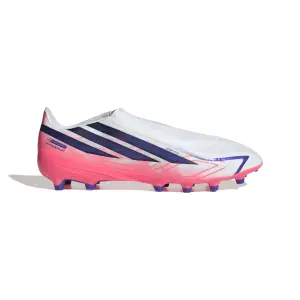
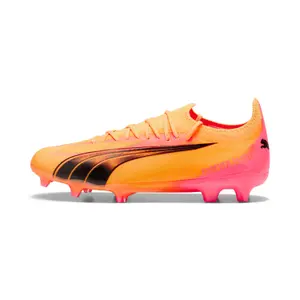
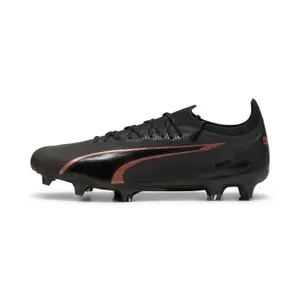
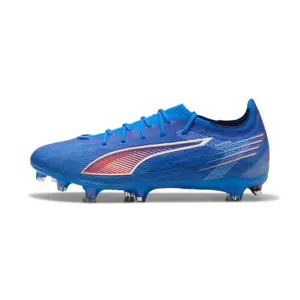
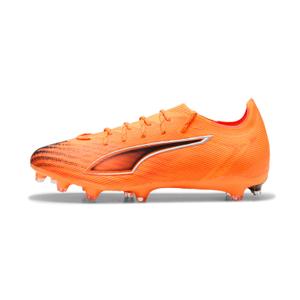
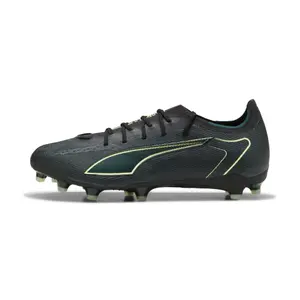


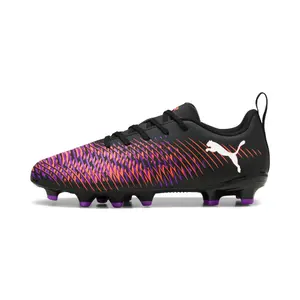
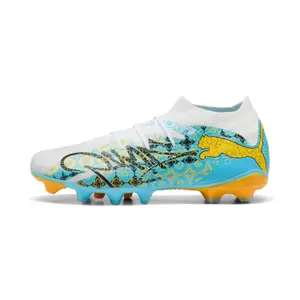
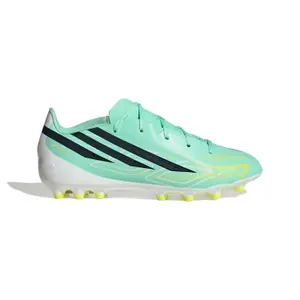
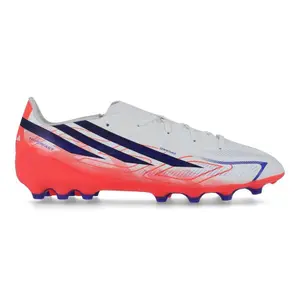
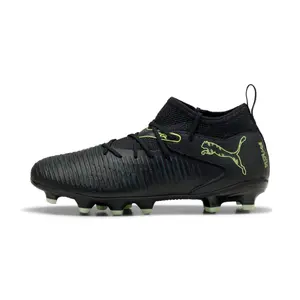
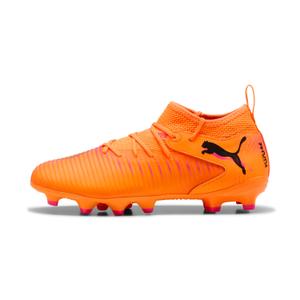
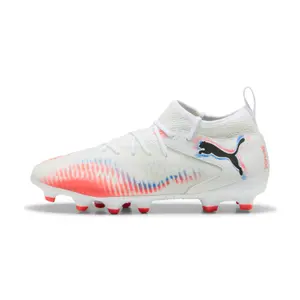
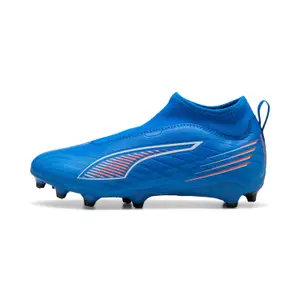
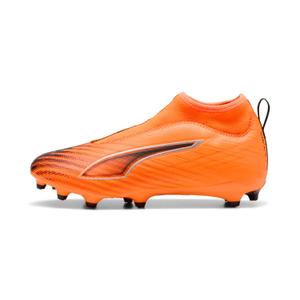
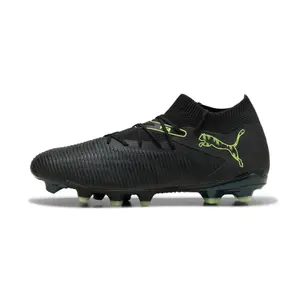
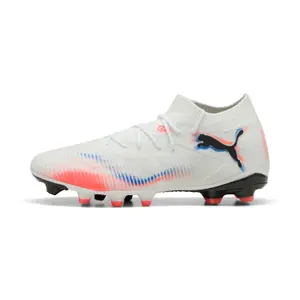
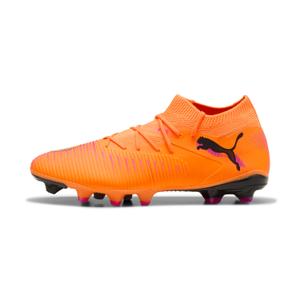
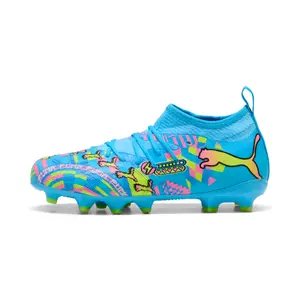
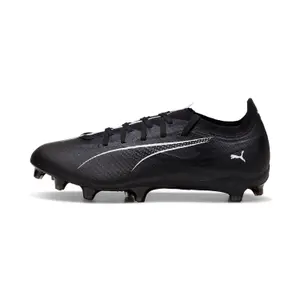
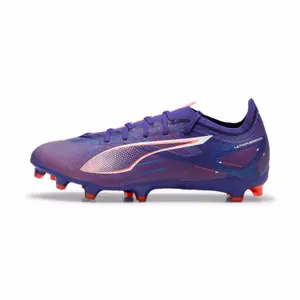
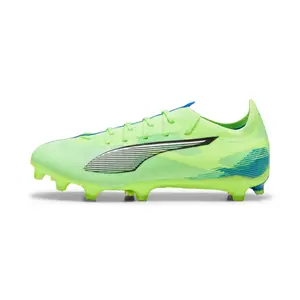
The artificial ground football boots with AG (Artificial Ground) soles have short, numerous, and often hollow studs, designed for artificial turf with pellets. Less unwanted grip, less wear, more stability: choose between the AG models and hybrid FG/AG from adidas, Puma, and Mizuno, for adults and children alike.
The sole made for artificial turf.
Why a sole dedicated to artificial grass
A modern synthetic surface consists of long fibres weighted down with sand and rubber or cork granules. On this surface, the long studs of an FG sole sink in and get stuck in the fibres, which locks the foot during turns. The AG sole features about twenty shorter, often hollow, conical studs that distribute pressure over a larger area.
The foot pivots more freely, the surface suffers less, and the plate, designed for a surface that is more abrasive, lasts longer. On an older synthetic with short fibres, however, the spikes of a Turf sole are sufficient.
Soles for your other pitches
If your club also plays on grass, the molded stud shoes for natural terrain are meant for firm turf, while screw-in stud shoes are for wet winter pitches, never for synthetic. Old short-fibre synthetics and 5-a-side football are played in TF soles, while indoor games require Indoor soles. All the surfaces are detailed on the Pitches page.
AG pure or FG/AG hybrid depending on your match schedule
If you train and play every weekend on synthetic, the pure AG sole, like on the adidas F50 Hyperfast Elite AG or the Mizuno Morelia II Pro AG, is the most suitable. If your team alternates with natural grass, the FG/AG hybrid makes the compromise: the Puma Future and Ultra, the Mizuno Morelia II Elite, or some F50 Hyperfast adopt it.
For young players, the FG/MG (multi-ground) plates in the Club versions add shorter and more numerous studs, practical for a child who switches from one pitch to another during Saturday matches.
What a synthetic player should also look for
Artificial grass heats up quickly in the sun and stays firmer underfoot than well-maintained grass. A cushioned insole and a well-supported heel relieve the joints over time. The granules can get inside the shoe: a high mesh upper or an integrated tongue limits their entry.
Synthetic surfaces also wear down the upper from friction during slides and tackles: reinforcements at the toe and inner side extend the life of the pair. Regarding sizing, leave a little space in front of the toes, as the foot swells in the heat.
When to equip for synthetic
Synthetic surfaces can be played on all year round, so it's worth targeting the key events: Black Friday and the end of year festivities for a pair under the tree, winter sales to replace a worn sole mid-season. In spring, the French Days for football shoes, then the summer sales before training resumes. Most of the time, there are promotions and clearance sales featuring AG and FG/AG models regularly.
Frequently Asked Questions
What football shoe for an outdoor synthetic surface?
For a recent artificial grass with granules, aim for an AG sole or an FG/AG hybrid. If the pitch is an old short synthetic or a stabilized surface, the TF sole with studs grips better and wears the shoe less.
Are screw-in studs banned on synthetic grass?
Yes, most pitch managers ban them for good reason: long aluminium studs can lock the foot into the fibres and damage the surface. Save your screw-ins for muddy natural lawns.
How to remove granules after a match?
Tap the soles together when leaving the pitch, then remove the insole to clear out what has slipped underneath. A brush on the plate and air drying prevent rubber beads from damaging the lining.
Are AG shoes suitable for children?
Yes, and it's often the most appropriate choice for youth football schools that train on synthetic surfaces. adidas and Puma offer their models in children's sizes, with FG/MG or FG/AG plates and versions with Velcro for easier dressing.
Can you wear AG on natural grass?
On firm and dry grass, yes: the short studs grip adequately, though with a bit less bite than an FG sole. On wet or muddy grass, they can slip quickly; longer studs are needed then.