
Football boots by pitch type
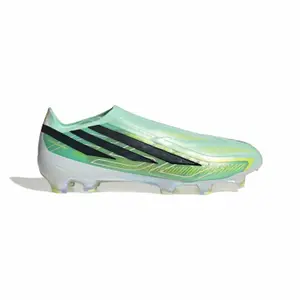
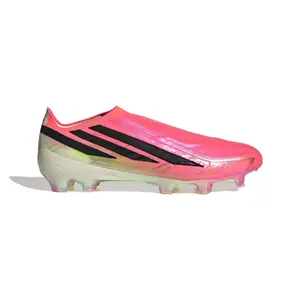
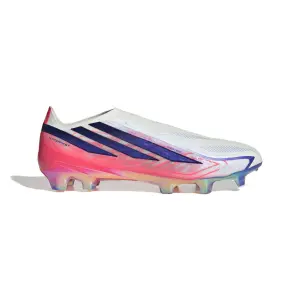
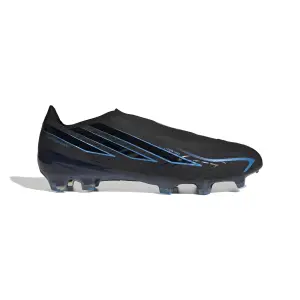
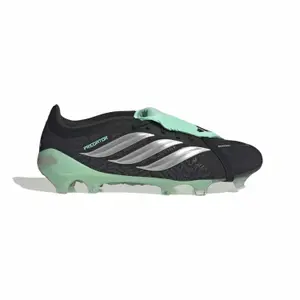
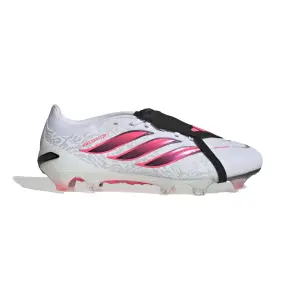
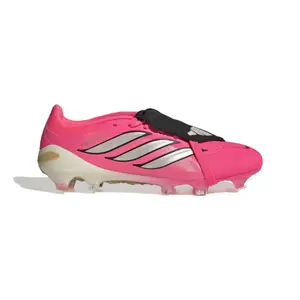
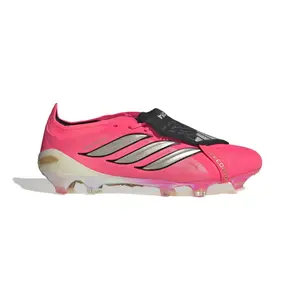
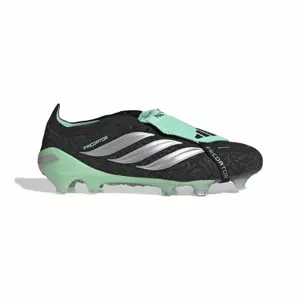
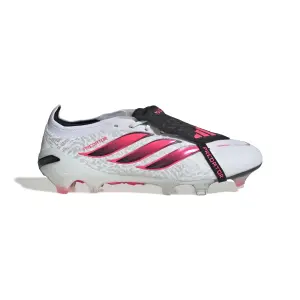
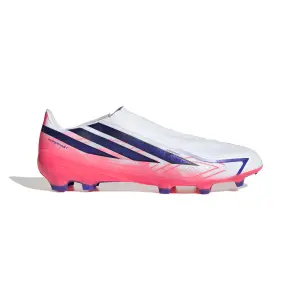
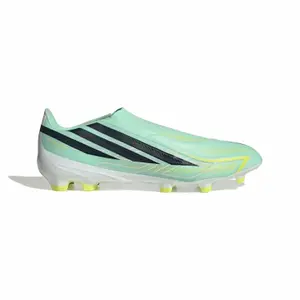
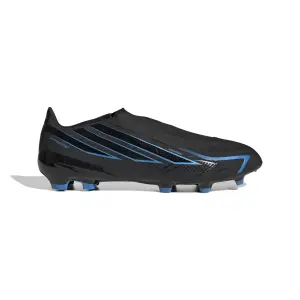
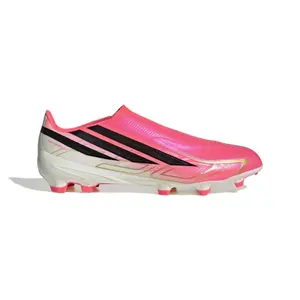
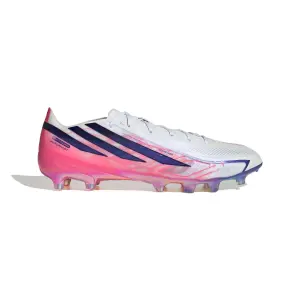
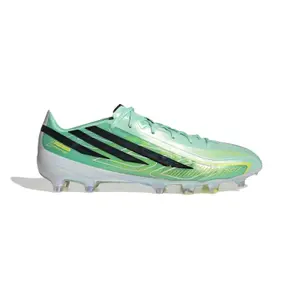
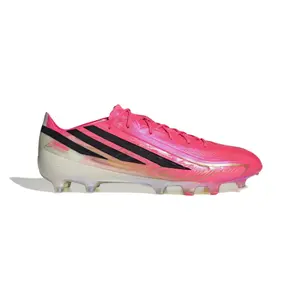
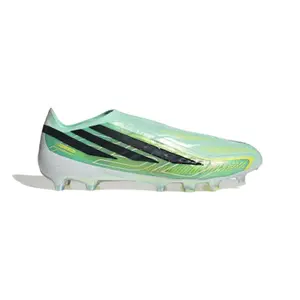
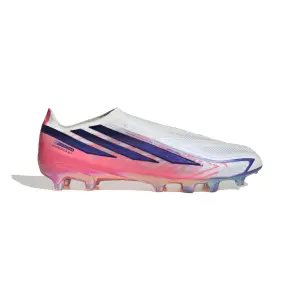
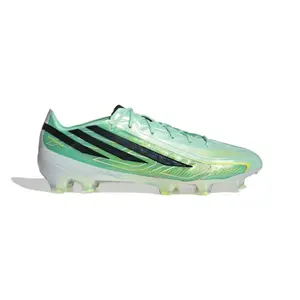
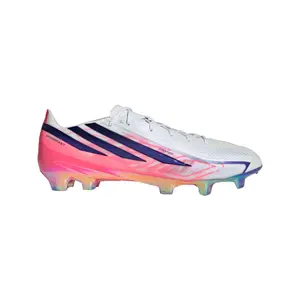
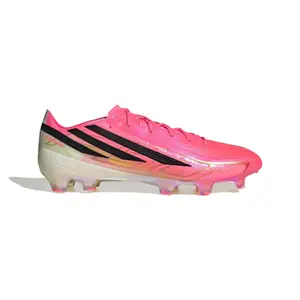
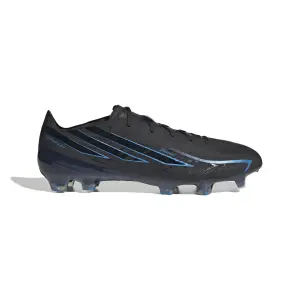
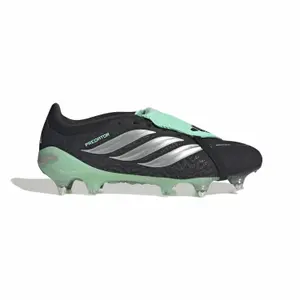
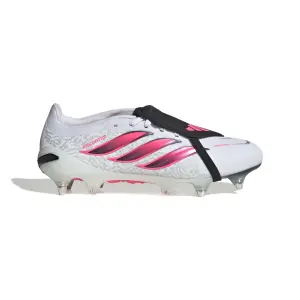
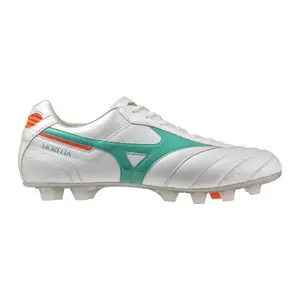
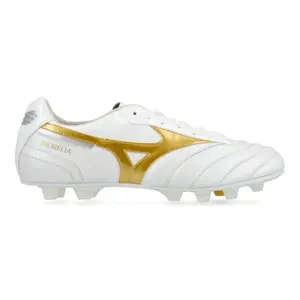
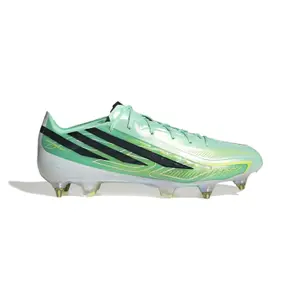
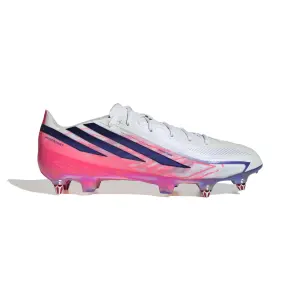
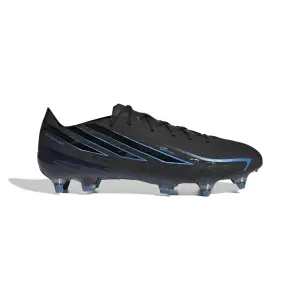
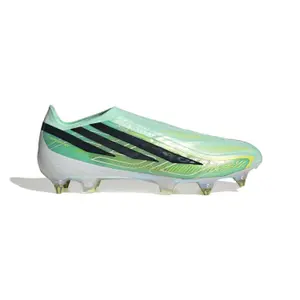
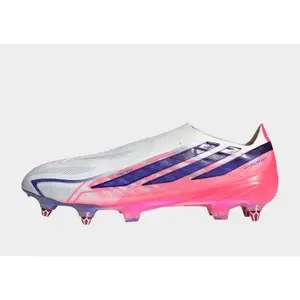
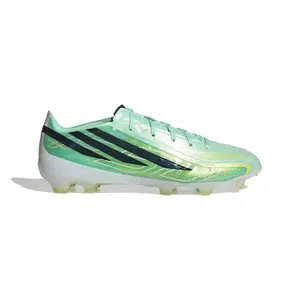
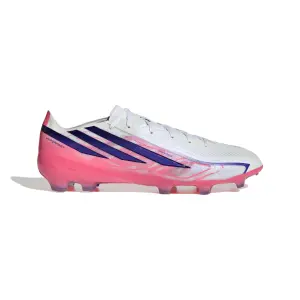
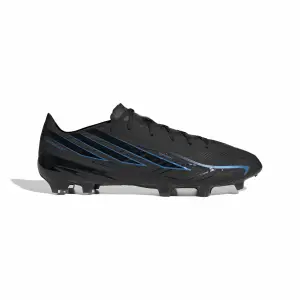
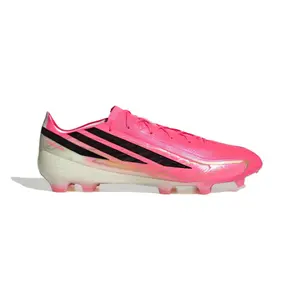
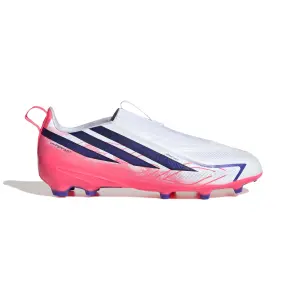
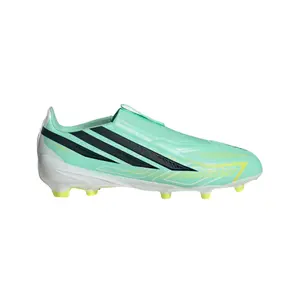
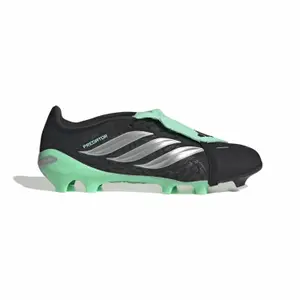
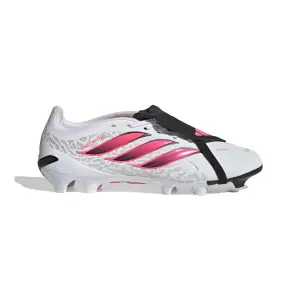
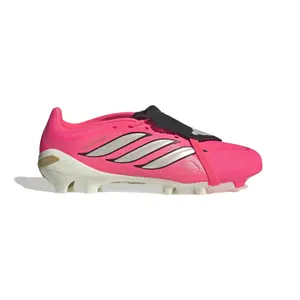
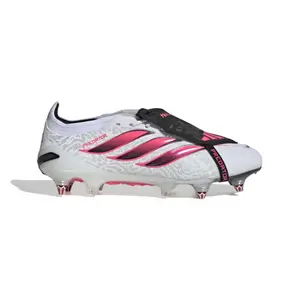
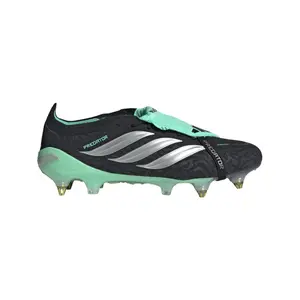
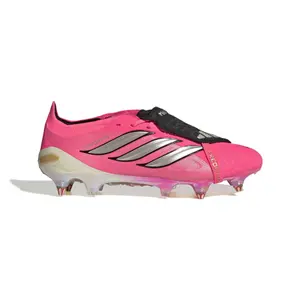
Choosing your football boots according to the ground starts with reading the two letters that follow the model name. FG, AG, SG, TF or IN indicate the surface for which the sole has been designed, and this choice affects both your grip and safety as well as the lifespan of the pair.
The right sole for each surface
What FG, AG, SG, TF and IN mean
- FG (firm ground): moulded, conical or bladed studs for natural grass that is dry or slightly damp.
- AG (artificial grass): shorter and more numerous studs that distribute pressure on synthetic turf and relieve joints.
- SG (soft ground): screw-in aluminium studs, sometimes mixed with moulded ones, for wet and lush pitches.
- TF (turf): a multitude of small rubber studs for hard and synthetic surfaces. IN (indoor): flat rubber sole for indoor and futsal.
Direct access to the sole for your pitch
For dry grass during weekend matches, head to Natural Ground - FG. If your club trains on artificial grass, the Synthetic Pitch - AG page brings together the short-stud soles. Muddy winter pitches require Soft Ground - SG, stabilised and five is played on 5-a-side Pitch - TF, and futsal on Indoor Pitch - IN.
Grass, synthetic or stabilised: mistakes to avoid
The most common mistake is wearing FG soles every week on synthétique. Long studs grip too much on the fibres, the foot gets stuck during turns, which puts strain on the knees; the sole also wears out much faster. On the other hand, SG screws on dry grass are uncomfortable and create pressure points, and most synthetic pitch managers ban them. On stabilised, a TF with small studs offers the best grip, while a FG slips and deteriorates on hard ground.
Which sole for a child or a versatile player
Many players alternate between several surfaces throughout the week: training on synthetic, matches on grass. The FG/AG sole, or MG depending on the brands, is the right compromise, with moulded studs that are short enough for artificial turf and marked enough for grass. It's also the safest choice for a child, who rarely plays on soft ground and whose joints benefit from shorter studs. If winter is very wet in your area, a second SG pair for matches on drenched grass can complete the gear.
Equipping for each surface without breaking the bank
Having the right sole for each pitch can get expensive, which is why the Promotions page during Black Friday and the end of year holidays is useful for adding an SG pair before the heavy winter months. The winter sales and then the French Days in spring allow for completing with a TF or an AG. After the summer sales, the return to training is the time to check the Clearance.
Frequently Asked Questions
What shoe for a stabilised pitch?
A TF sole, covered with small rubber studs, grips clay and sand without slipping. FG moulded studs wear out in just a few sessions and make footing unstable, especially during braking.
How long does a pair of studs last?
This mainly depends on the surface: a sole used on the pitch for which it is designed lasts much longer. An FG worn on synthetic or stabilised can lose its studs in a few months, while a suitable AG maintains its grip.
Are there shoes for soft ground without laces?
Yes, some ranges offer lace-free versions with SG soles. On a heavy pitch, make sure the collar holds the heel well, as mud sticks to the shoe and pulls more on the upper than in dry conditions.
What shoe for hard, dry grass in summer?
A classic FG is suitable, but on burnt and very hard grass, a sole with shorter studs, like FG/AG, limits pain underfoot. Avoid screw-in studs, which do not penetrate a dry ground.
Is a different shoe needed for five-a-side football?
Yes, most five-a-side pitches are short and dense synthetic, where a TF sole with small studs, or an AG, offers the right grip. FG studs grip too much there and quickly tire out the joints.