
Moulded stud shoes for natural grass
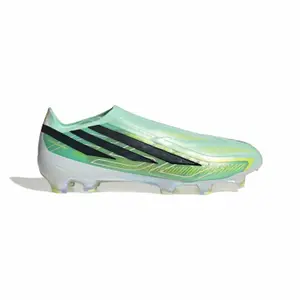
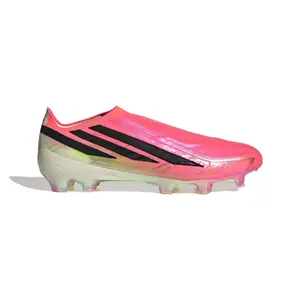
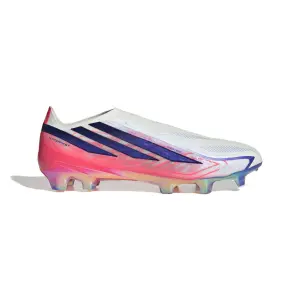
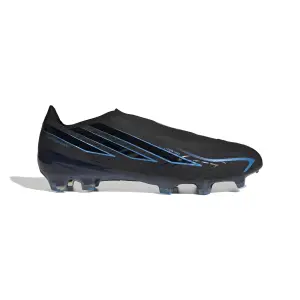
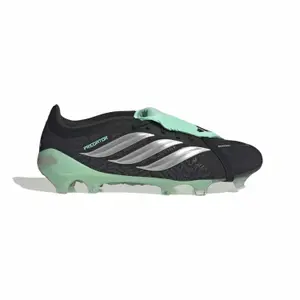
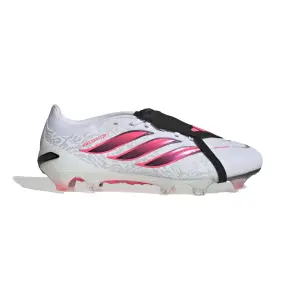
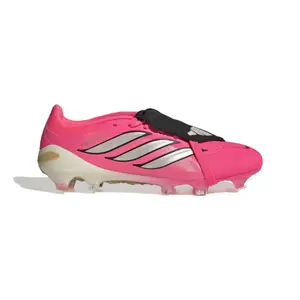
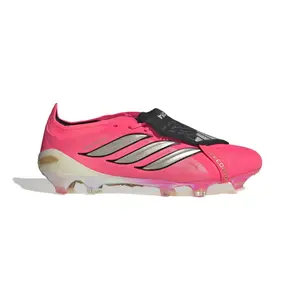
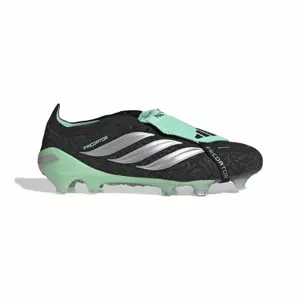
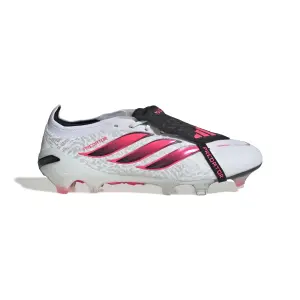
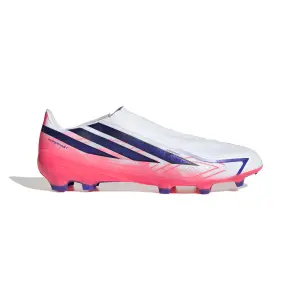
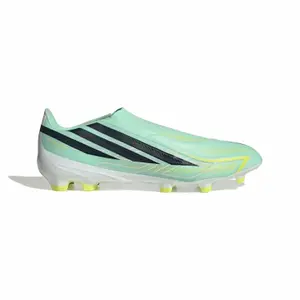
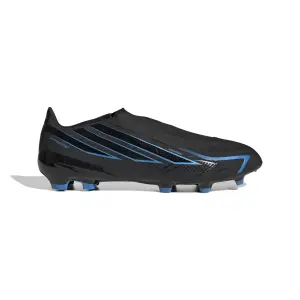
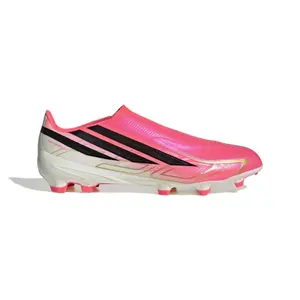
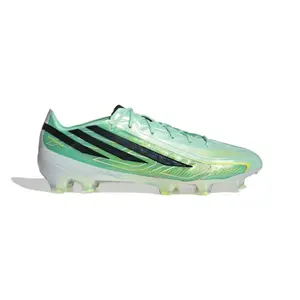
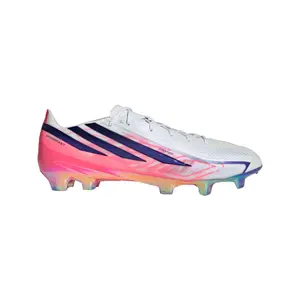
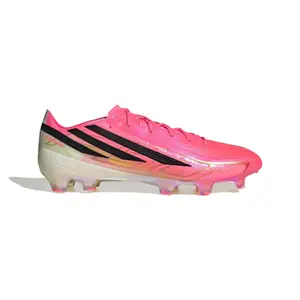
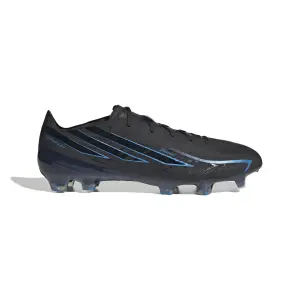
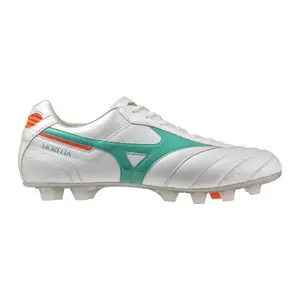
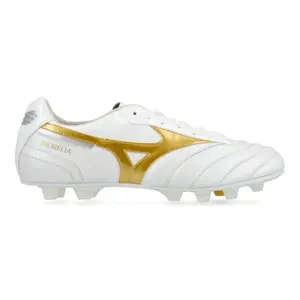
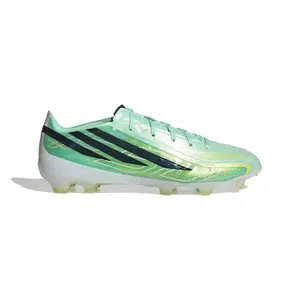
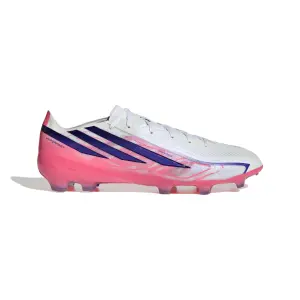
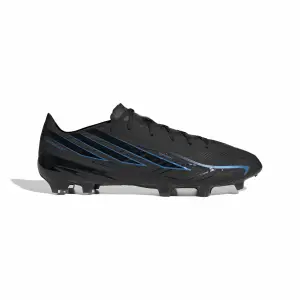
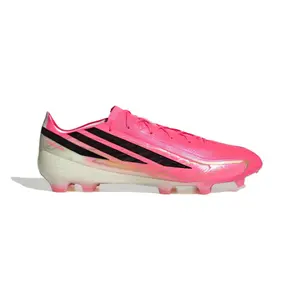
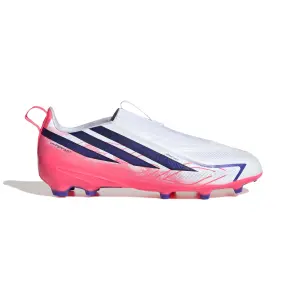
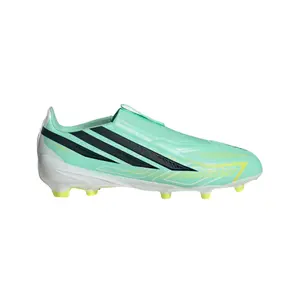
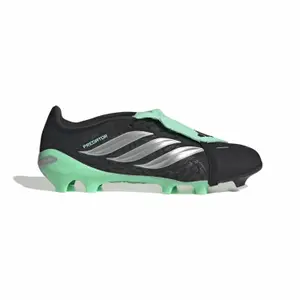
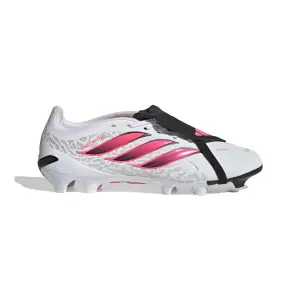
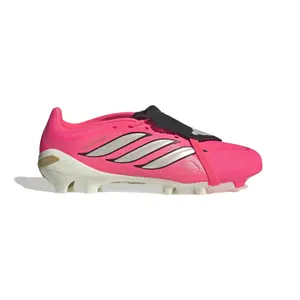
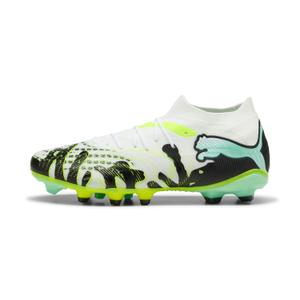
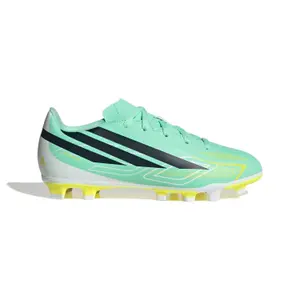
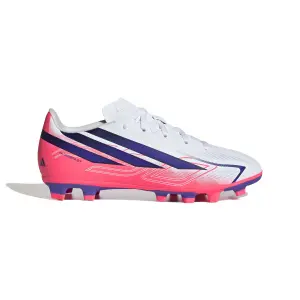
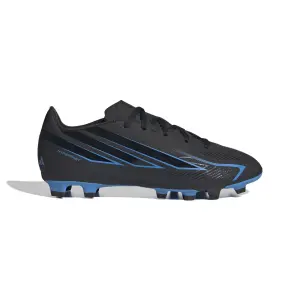
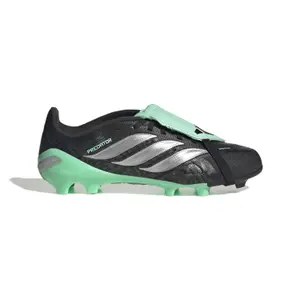
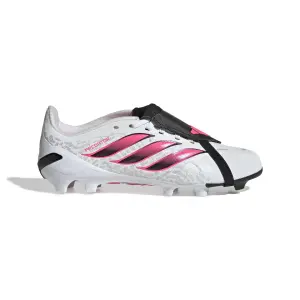
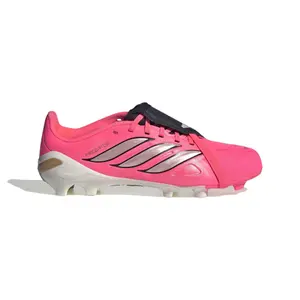
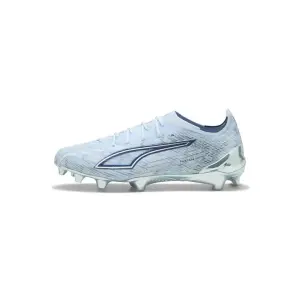
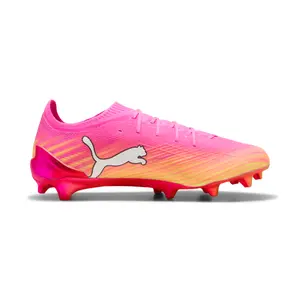
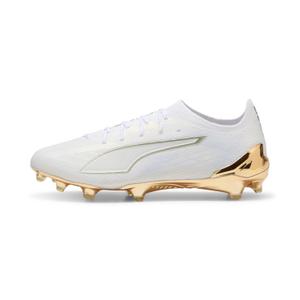
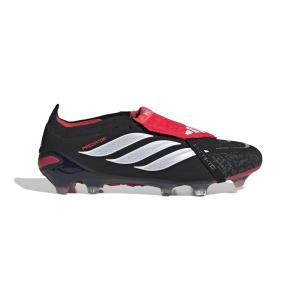
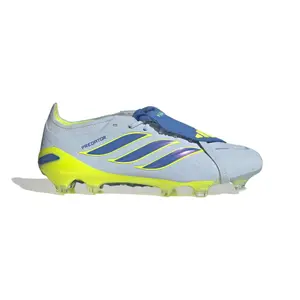
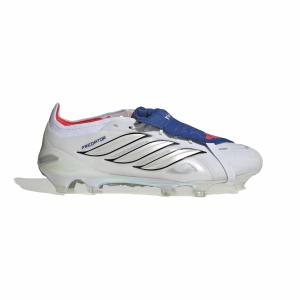
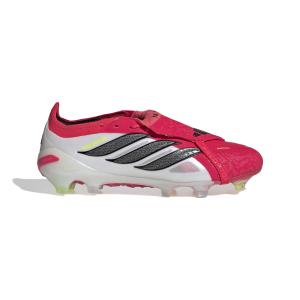
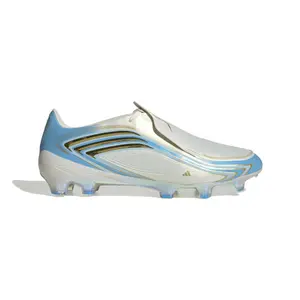
The FG football boots (Firm Ground) are the go-to choice for natural grass that is dry or slightly damp: molded, conical or bladed studs, designed for grip and pivoting without getting stuck. Predator, F50 Hyperfast, Morelia, Future or Ultra: find the models adidas, Mizuno and Puma made for the pitch.
For firm pitches, from match day to Sunday.
Moulded studs: how an FG sole works
An FG sole has about a dozen moulded studs on the plate, with no removable part. Their shapes vary: conical studs help with foot rotations, blades grip more on straight-line accelerations, and most plates mix the two. The plate itself, more or less stiff, returns energy during the push-off.
On firm grass, this compromise provides the necessary grip without sinking the foot too deeply, making weight transfers feel more natural than with screw-ins. It's the most versatile sole for natural grass, from the start of the season to the first heavy rains, and back again when the nice weather returns.
Soft ground, synthetic, or indoor: other soles
Moulded studs reach their limits when rain turns the pitch into a bog: switch to screw-in shoes for wet ground. On artificial grass with granules, shoes for synthetic surfaces protect your footing and the surface. Small-sided football on hard surfaces is played with Turf models, while futsal uses Indoor shoes with non-marking soles. To compare all these soles, check out the page Terrains.
FG, FG/AG or MG: playing on synthetic too
Many clubs alternate between natural grass and artificial turf. A pure FG will wear out faster on synthetic, and its long studs grip too much in the fibres. FG/AG soles, like those on the Mizuno Morelia II Elite, the Puma Future Match, or the adidas F50 Hyperfast Elite, adjust the length and shape of the studs to remain effective on both surfaces. MG soles (multi-ground) on entry-level models aim for the same goal with more numerous and shorter studs. If you play more than half your time on synthetic, a true AG sole is preferable.
Predator, F50, Morelia, Ultra: four ways to play
- adidas Predator: first released in 1994, it remains the shoe of control and striking; the FT versions bring back the foldable tongue from the early models.
- adidas F50 Hyperfast: the speed lineage that appeared just before Euro 2004 and was relaunched in 2024, for wingers and strikers.
- Mizuno Morelia II: the descendant of the Morelia launched in 1985, known for its soft upper that quickly forms to the foot.
- Puma Ultra and Future: the Ultra, launched in 2020, focuses on lightness for speed; the Future, on an elastic band for support for creative players.
Key moments for a pair of moulded studs
The Black Friday at the end of November kicks off the major winter sales, extending through the holiday season and the January winter sales, when previous colourways are discounted. In spring, the French Days for football shoes come at just the right time for the end of championships, before the summer sales prepare for the training sessions in July and August. Discounts on football shoes and clearance sales fill out the picture all year round.
Frequently asked questions
How many sessions before playing a match in new shoes?
Count two or three training sessions before wearing them in a match. Leather stretches and molds to the foot, while synthetic materials don't move much, but their plate also needs to soften; if you notice any hot spots, alternate for a while with your old pair.
Leather or synthetic upper, which to prefer on grass?
Leather offers a soft touch and molds to the foot, but it absorbs water and requires maintenance. Synthetic is lighter, dries quickly, and keeps its shape in the rain. On natural grass, both work: choose based on your feel for the ball.
How can you tell if a moulded sole is worn out?
Look at the height of the studs at the front of the foot, where you push off: if they are rounded, shorter than those at the heel, or if the plate is cracking, grip decreases and the risk of slipping increases. A moulded sole cannot be repaired; you need to get a new pair.
How to maintain leather studded shoes?
Brush off the dirt after each session, wipe the leather with a damp sponge, and let them dry away from any heat source, stuffing the inside with paper. A leather grease or cream applied regularly keeps the upper soft and water-resistant.
Laces or laceless on an FG shoe?
Laceless models, like some F50 Hyperfast, offer a clean striking surface and a snug fit, but require an exact size. Laces allow for adjusting the fit according to the foot shape and are generally more forgiving.