
Turf (TF) football shoes for five-a-side football
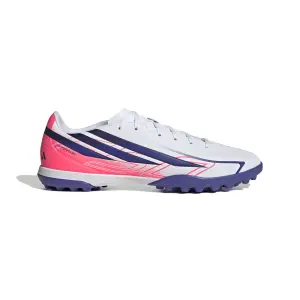
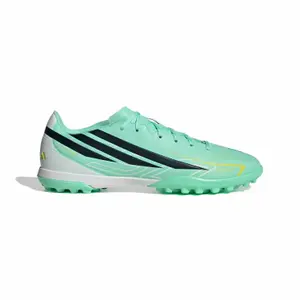


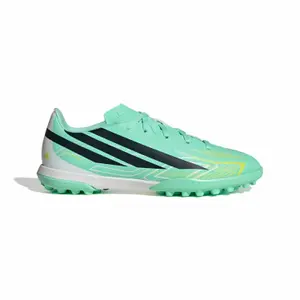
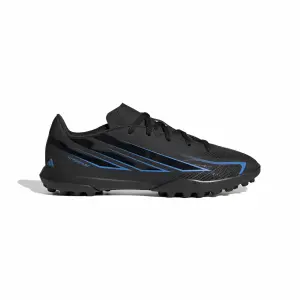
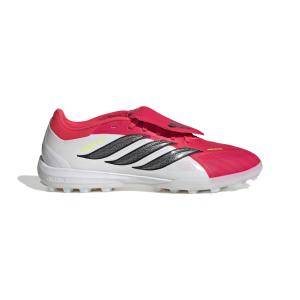

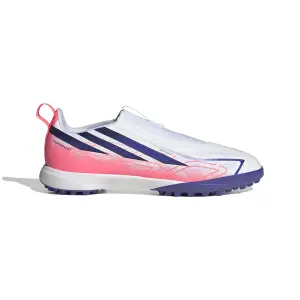
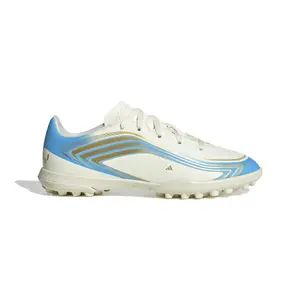
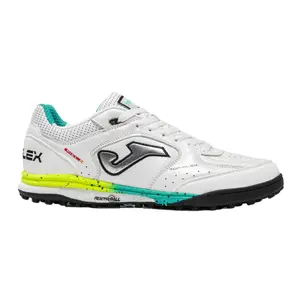
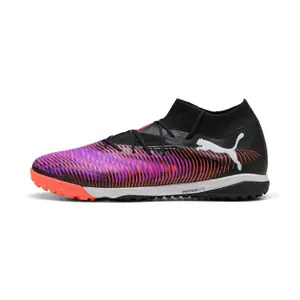
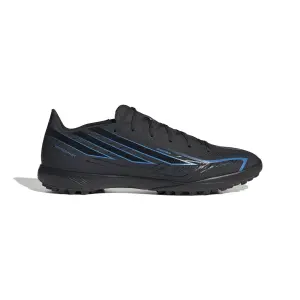
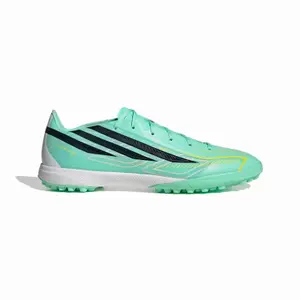
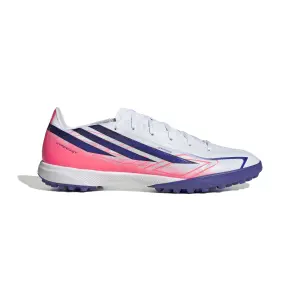
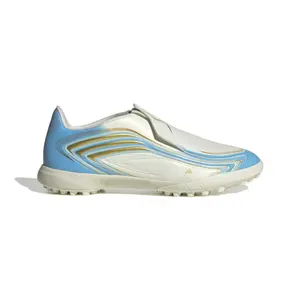
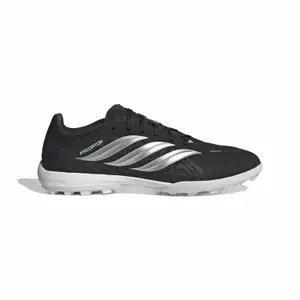
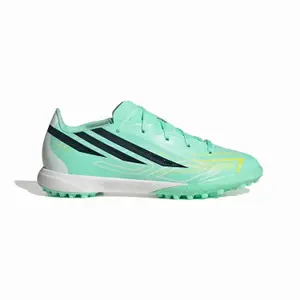

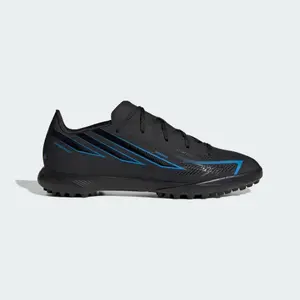
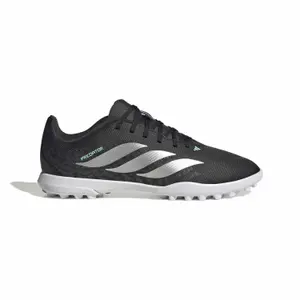

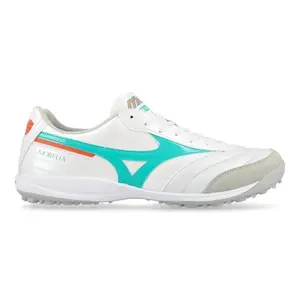
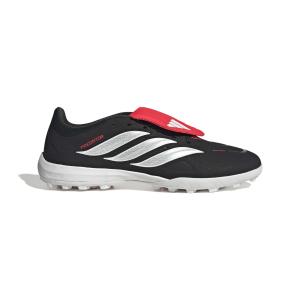
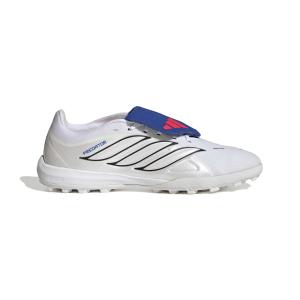


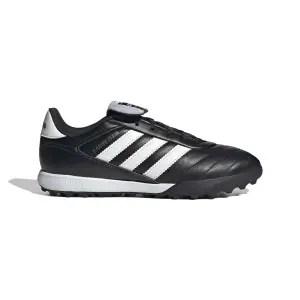

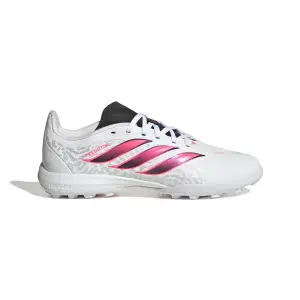
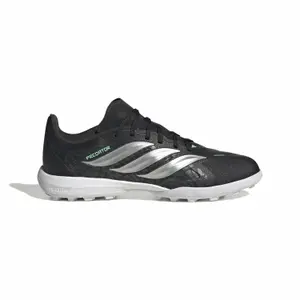
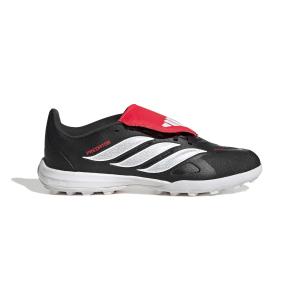
The TF football boots replace the studs with dozens of tiny rubber spikes: the right sole for 5-a-side football, stabilised surfaces, city pitches, and short-fiber synthetics. Discover the Turf models from adidas, Puma, Mizuno, and Joma, from classic leather to speed boots.
Reliable footing on hard surfaces.
How a Turf sole changes things on a hard surface
A Turf sole distributes the player's weight over lots of small rubber studs, whereas an FG sole focuses it on about a dozen studs. On a hard surface (stabilised, old synthetic with short fibres, 5-a-side football centres, city pitches), these studs grip just enough to support without blocking the foot during pivots. You gain stability, pressure on the sole of the foot decreases, and the rubber wears down slowly.
On the other hand, a TF lacks grip on wet natural grass, where it slips. And on newer synthetic turf with long fibres, an AG or hybrid FG/AG sole is more suitable.
The different soles for your pitch
If your pitch changes, change your sole. On dry natural grass, FG shoes for natural surfaces provide the grip of moulded studs. Recent synthetic pitches with granules suit AG models for synthetic surfaces, where the short and hollow studs protect the surface. When rain soaks the pitch, screw-in studs for soft ground take over, and for the gym or futsal, aim for Indoor shoes with a flat sole. All sole families are gathered in the pitch guide.
5-a-side: short supports, close strikes and contacts
5-a-side is played on a small pitch, often enclosed by walls, with short runs, constant turns and lots of play close to the foot. The shoe should therefore respond quickly and protect. Look for three points: a flexible sole at the front for quick starts, reinforcement at the toe to absorb sharp strikes and friction on the surface, and an upper that keeps the heel in place when you stop suddenly.
Leather models, like the Top Flex Rebound from Joma, a Spanish brand founded in 1965 and referenced in futsal, adapt quickly to the foot and become more comfortable over matches. Synthetic uppers dry faster and remain light, a plus for those who play two evenings a week.
adidas, Puma, Mizuno or Joma: which Turf model for your game
- adidas F50 Hyperfast: the speed line born in 2004 and relaunched in 2024, with a slim upper for explosive players who attack depth.
- adidas Predator: the shoe for control and striking since 1994; the FT versions add a foldable tongue that clears a clean striking surface.
- adidas Mundial Team: a classic from the Mundial family, heir of the Copa Mundial born in 1979, true to its studded sole.
- Mizuno Morelia: the Japanese line launched in 1985, valued for its soft upper and precise fit.
- Puma Future: an elastic support band around the midfoot for creative players who dribble in tight spaces.
The right time to treat yourself to a pair of Turf shoes
The Black Friday in November kicks off the busiest period for renewing your pair of 5-a-side shoes, before the festive gift ideas of the holiday season. Winter sales then refresh previous colours, the French Days for football shoes liven up spring, and the summer sales precede the return to training. For the rest of the year, keep an eye on football shoe promotions and clearance sales, where isolated sizes go quickly.
Frequently asked questions
Can you wear TFs on natural grass?
On dry, short grass, they can work for training, but the studs lack grip as soon as the grass is wet and you risk slipping. For regular play on natural grass, a moulded stud sole remains safer.
What’s the difference between a TF and Indoor shoes?
The Indoor sole is flat and smooth, designed to grip on a court or gym surface. The TF has studs that grip on a synthetic or stabilised surface; indoors, it grips less effectively and can leave marks on the surface.
How to maintain studded football shoes?
Tap the soles after the match to remove granules and dust, take out the insoles and let them air dry, away from a radiator. Leather appreciates nurturing cream from time to time, while synthetic can be wiped clean with a damp sponge.
Should I take my usual size in Turf?
Generally yes, with half a centimetre to a centimetre of space in front of the toes and a snug heel at the back. Leather stretches slightly with use while synthetic keeps its shape: try the pair at the end of the day, when your foot is slightly swollen.
Is a TF suitable for playing on concrete or asphalt?
It holds up much better than a studded sole on a tarmac city pitch, but asphalt wears rubber out quickly and doesn't forgive falls. Preferably reserve it for synthetic or stabilised surfaces, and keep a dedicated pair if you often play outside on a hard surface.