
adidas Predator, the striker's shoe
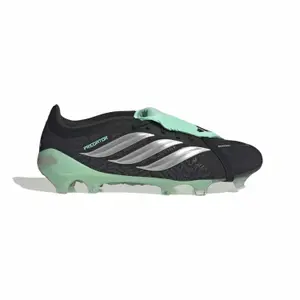
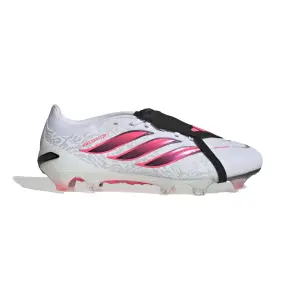
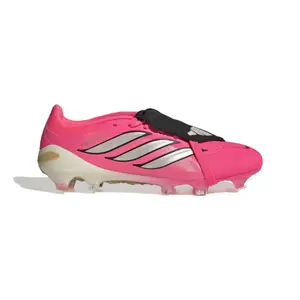
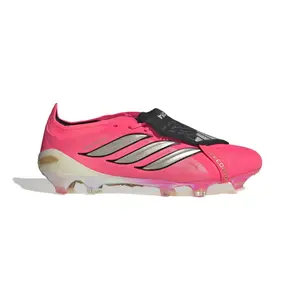
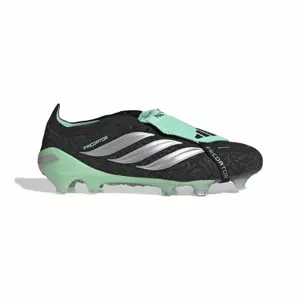
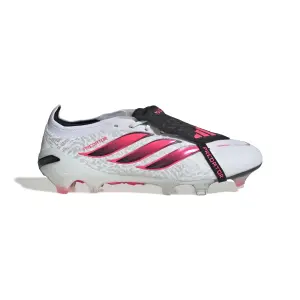
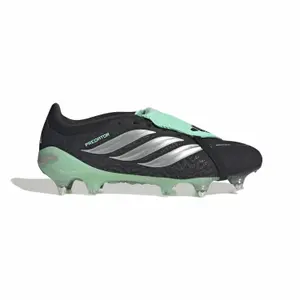
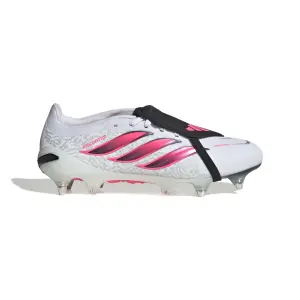
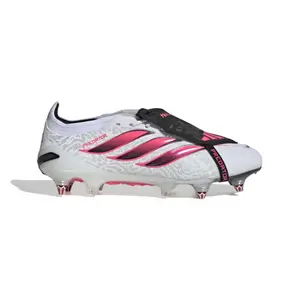
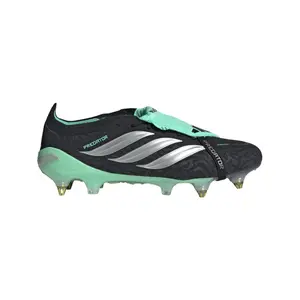
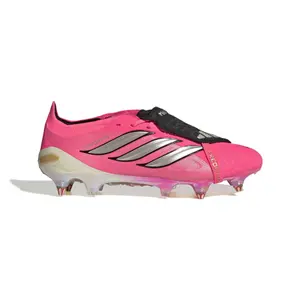
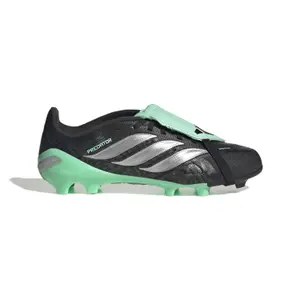
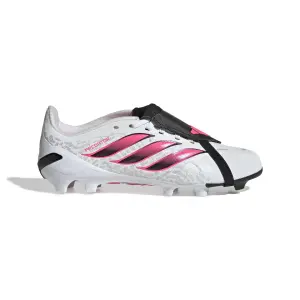
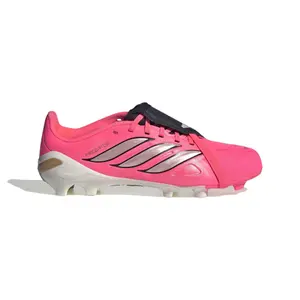
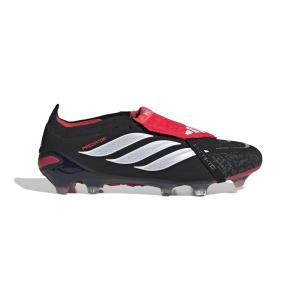
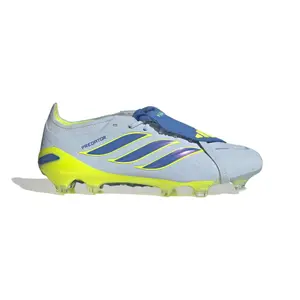
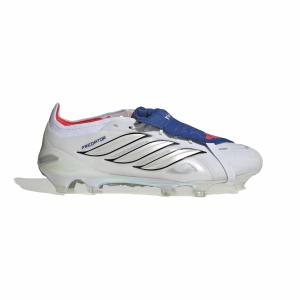
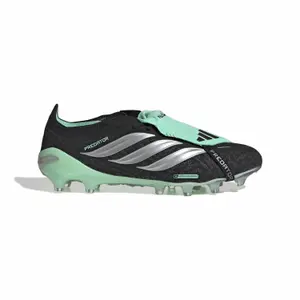
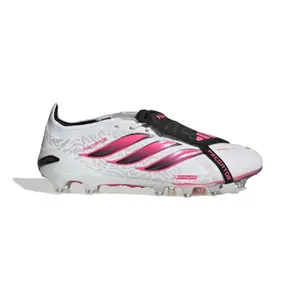
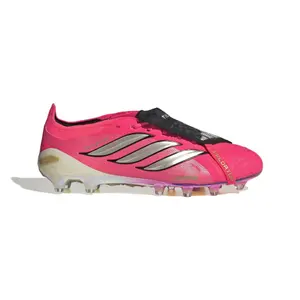
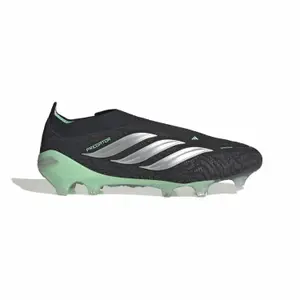

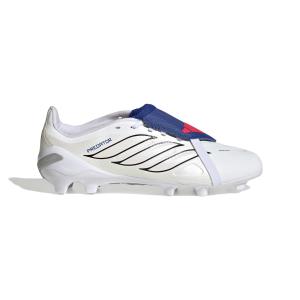
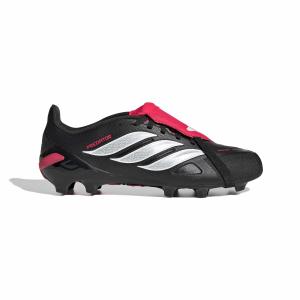
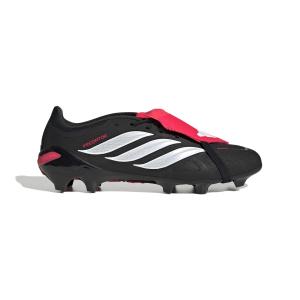
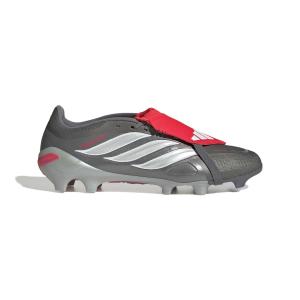
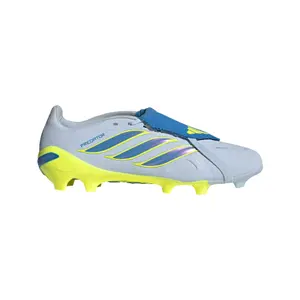
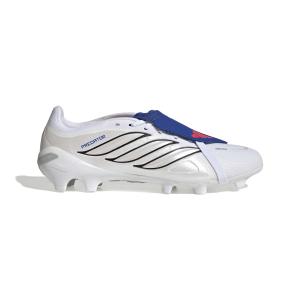
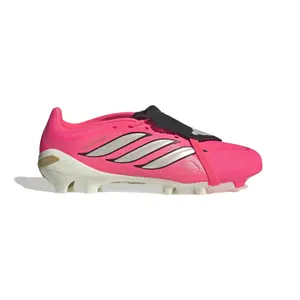
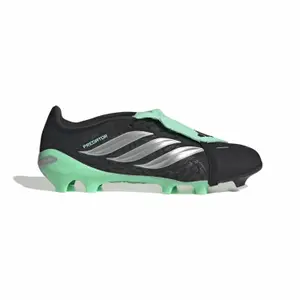
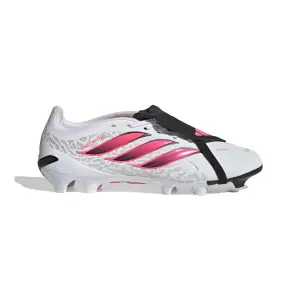
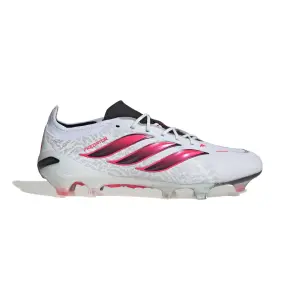
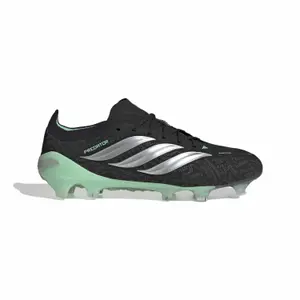
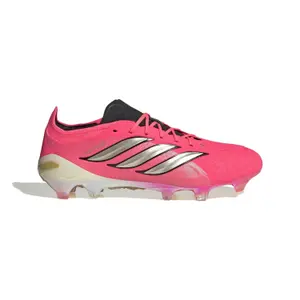
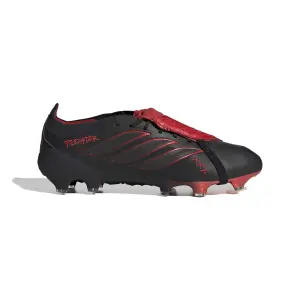
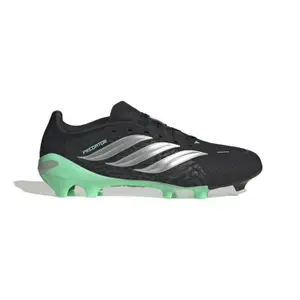


The adidas Predator was born in 1994 from an idea by Craig Johnston, a former Australian midfielder for Liverpool: putting rubber on the upper for better grip on the ball. More than thirty years later, the family keeps this DNA with its Strikeskin wings in the strike zone and its foldable tongue, inherited from the Predator Rapier from 1995.
Rubber at the service of your strike.
From Craig Johnston's prototype to Strikeskin fins
Craig Johnston's idea was initially turned down by several manufacturers. He eventually ended up filming former German internationals, including Franz Beckenbauer, testing his prototype on snow, and this demonstration convinced adidas to buy the concept. The first Predator was released in 1994, and the 1995 Rapier introduced the fold-over tongue that would become the hallmark of the family.
The current Predator reflects the same intention with the Strikeskin technology: rubber fins placed in the striking area to grip the ball, create spin, and improve precision on shots as well as crosses.
The other adidas families
For a game focused on speed, the F50 relies on a very slim synthetic upper and a close fit; for touch and leather, the Copa remains the brand's reference. All families and all pitches are gathered on the adidas page.
Fold-over tongue, laced or laceless: the Predator fits
The FT version, for fold-over tongue, folds a wide tongue over the laces: it creates a smooth and even striking surface on the instep, and it's the most requested. It can be found at the Elite, Pro, League, and Club levels, including in children's sizes.
The Predator also exists in a classic laced version, without a flap, for the player who wants to tighten each eyelet precisely, and the Elite level comes in a laceless version depending on the colours. The choice mainly comes down to feel: the fold-over tongue softens contact a bit, while the laced version keeps the foot closer to the ball.
Predator studded, synthetic or children's: the right sole
For wet grass pitches in winter, the Predator Elite FT SG and the Predator League SG have studded cleats that penetrate loose soil; this is the answer for those looking for a studded Predator. On dry grass, FG versions remain the standard choice, and the FG/MG sole of the Predator Club and the League with fold-over tongue also adapts to synthetic.
Young strikers have the Predator League FT available in children's sizes, the laced League, and the Club FG/MG, featuring the same rubber fins in the striking area as the adult models.
When to buy your Predator
The previous colours of the Predator join the football boot promotions during Black Friday, at the end of year festivities and during the winter sales, when studded versions are most needed. The French Days for football boots take over in spring, before the summer sales and the return of training; end-of-line products are moved to clearance.
Frequently asked questions
Do the rubber fins of the Predator wear out?
They dull slightly with strikes and friction, especially on synthetic. A warm water clean and a soft brush after each match removes the dirt that reduces their grip.
Is the Predator suitable for a wide foot?
Its fit is more generous than that of a speed boot, and the laced version allows for loosening at the forefoot. Try it on with your match socks and check that your little toe doesn't touch the upper.
Can the fold-over tongue of a Predator FT be lifted?
No, it is stitched to stay folded over the laces: it creates the striking surface. If you prefer to feel the laces underfoot, choose a laceless version without a flap.
Is a Predator League enough for playing in a club?
Yes, it is the level designed for club players who train and play every week. It keeps the spirit of the family with a simpler and more robust construction than the Elite.
Is the Predator reserved for attackers?
No, it serves all players who strike a lot: midfielders who direct the play, defenders who make long passes, free kick takers. The fins help to add spin, regardless of the position.