
Football boots adidas, three playing styles
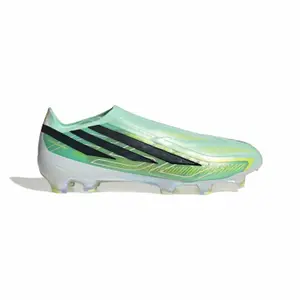
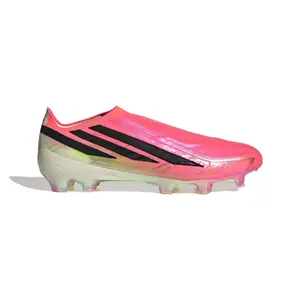
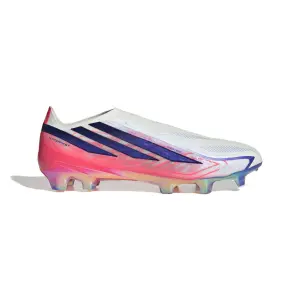
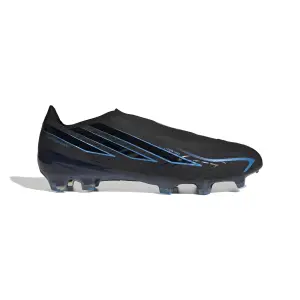
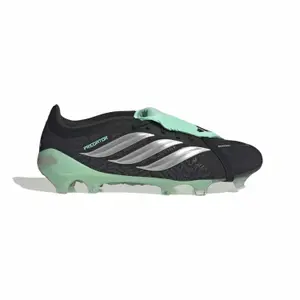
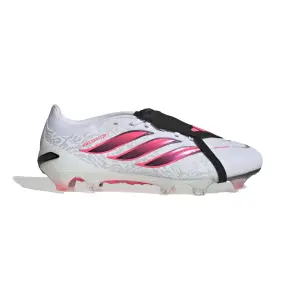
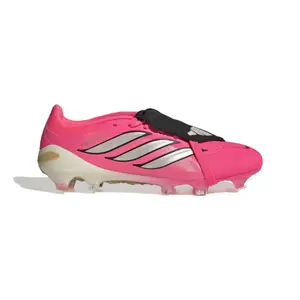
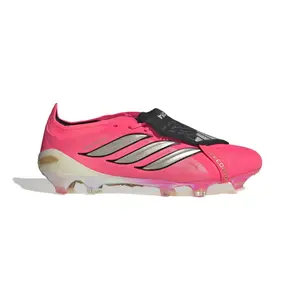
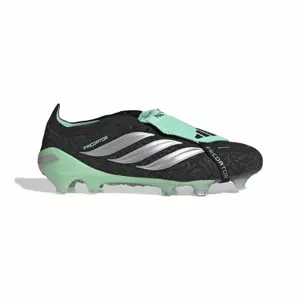
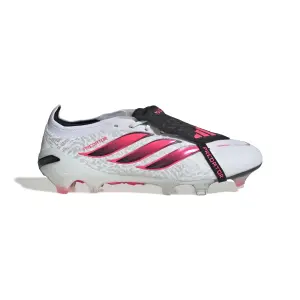
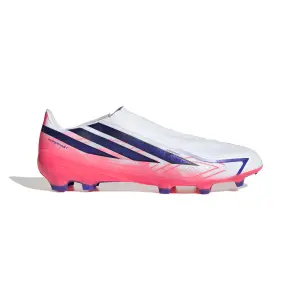
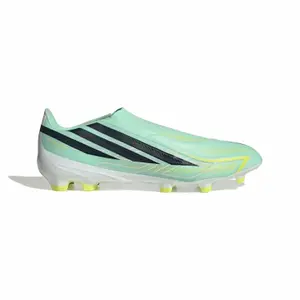
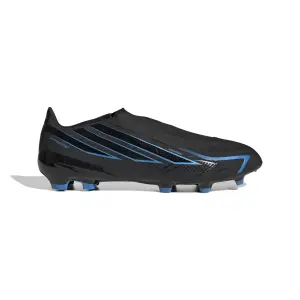
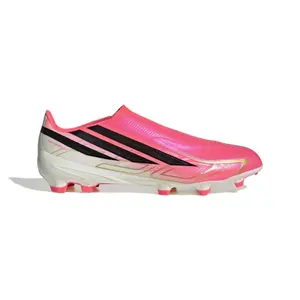
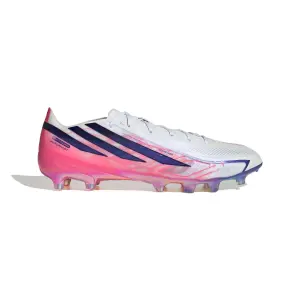
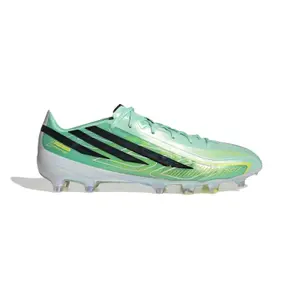
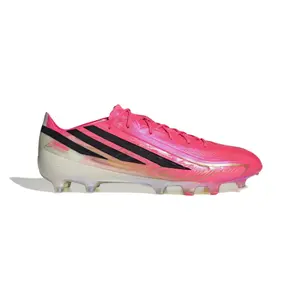
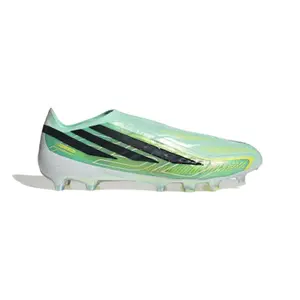
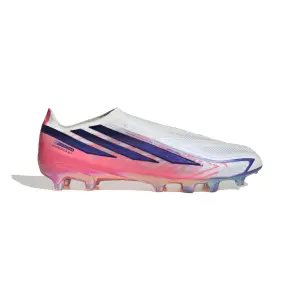
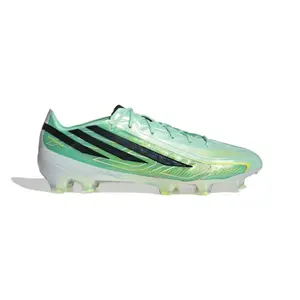
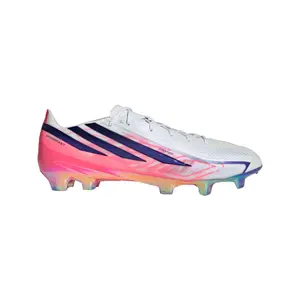
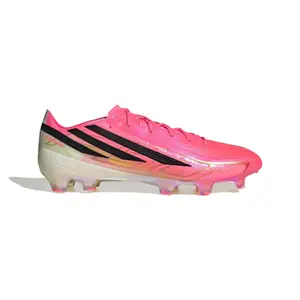
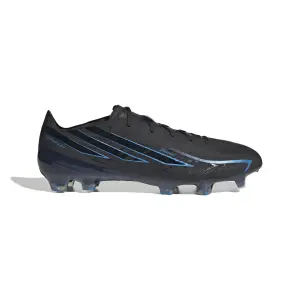
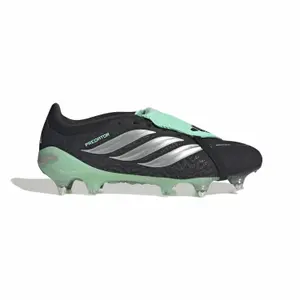
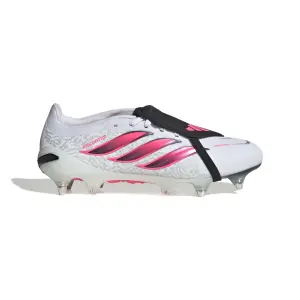
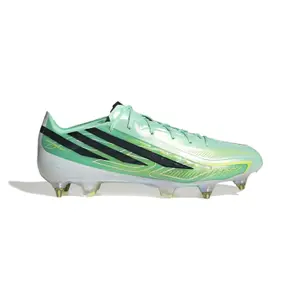
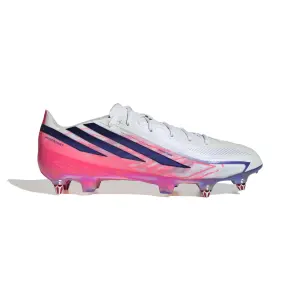
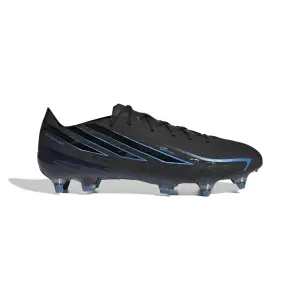
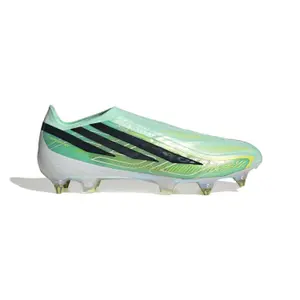
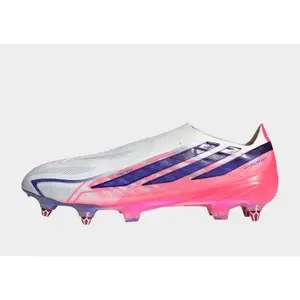
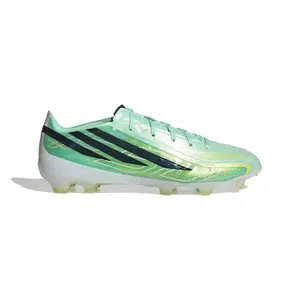
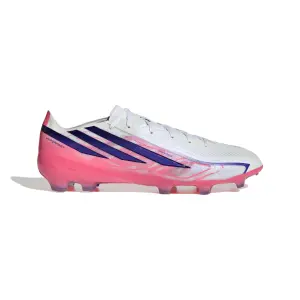
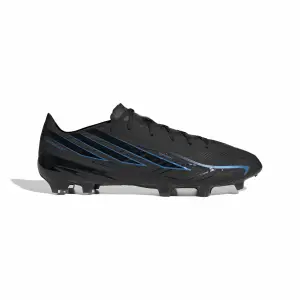
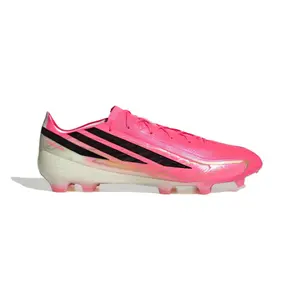
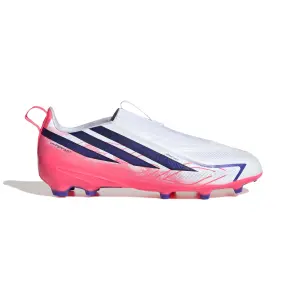
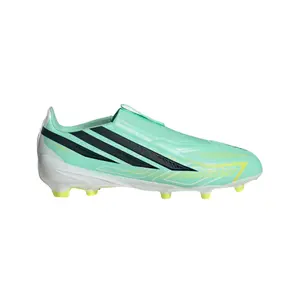
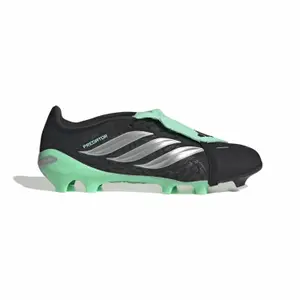
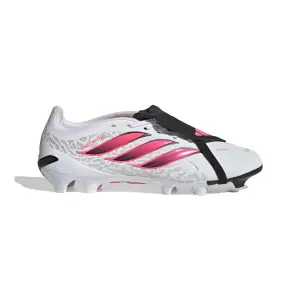
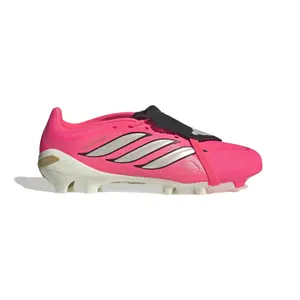
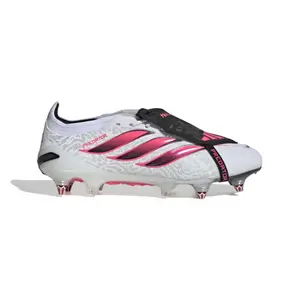
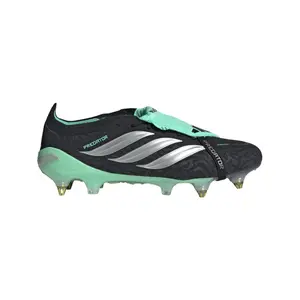
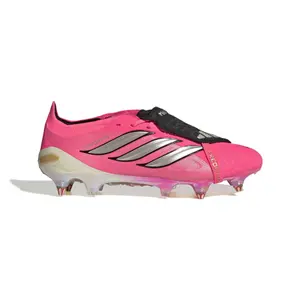
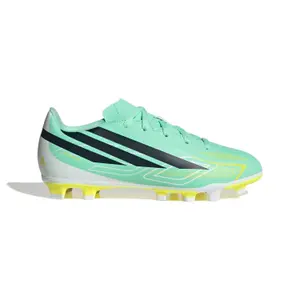
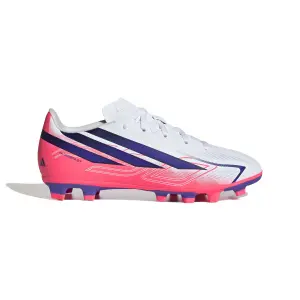
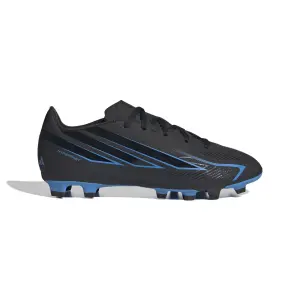
The football boots adidas come from a brand registered in 1949 in Herzogenaurach by Adi Dassler, whose studded boots equipped the World Champion Germany in Bern in 1954. The range is divided into three families: Predator for striking, F50 for speed, Copa for feeling the ball, each available from Elite to Club level.
Strike, speed or touch: it's your turn to play.
Predator, F50 or Copa: which adidas family for your game
- The Predator was born in 1994 from an idea by former Liverpool player Craig Johnston: rubber on the upper to grip the ball. Its Strikeskin fins and fold-over tongue carry on its spirit for strikers.
- The F50, launched just before Euro 2004 and brought back in 2024, is the speed shoe: thin synthetic upper and a close fit.
- The Copa continues the Copa Mundial from 1979: leather and synthetic fused on the Copa Pure, padded cow leather on the Copa Gloro, for control players.
The adidas families in detail and the kids' version
Each family has its own page: the Predator brings together the fold-over tongue versions and the screw-in models, the F50 includes the speed shoes with or without laces, and the Copa features leather models designed for touch. Young players can find the same families in smaller sizes in the adidas kids' football boots, and the Football Shoes category expands the search to all brands.
How do adidas football shoes fit?
In France, adidas sizes its sizes in thirds: after size 42 comes size 42 2/3, then 43 1/3. This fine sizing allows for a closer fit, as long as you measure your foot rather than taking the size from another brand.
The fit varies by family. The F50 wraps around the foot closely and is best for slim feet, while the Copa offers more room and its leather stretches with wear. On a laceless version, marked LL, there is no tightening for a size that’s too big: take your exact size, with about half a centimetre in front of your toes.
Elite, Pro, League or Club: the adidas level according to your practice
The three adidas families follow the same scale. The Elite features the upper and sole worn by professionals, the Pro keeps the essentials with a lighter build. The League is the core range for regular club players, robust and versatile, while the Club offers a reliable first pair for beginners or casual players.
The sole logo is as important as the level: FG for dry grass, AG for synthetic, SG for screw-in studs on soft ground, TF for hard synthetic, IC for indoor. A Predator League on the right sole provides more services than an Elite unsuitable for your pitch.
When to treat yourself to a pair of adidas
Previous colour models of adidas join football boot promotions during Black Friday, then during the holiday season and winter sales. The French Days for football shoes liven up spring before the summer sales, and the return to training is the time to get a new size for kids. The last sizes of old ranges end up in clearance.
Frequently asked questions
Do adidas laceless shoes hold the foot well?
Yes, as long as you choose the exact size: the elastic upper and high collar act as a tightening mechanism. If you’re between sizes or have wide feet, a version with laces is easier to adjust.
Which adidas should I choose for playing on synthetic pitches?
An AG sole, designed for artificial grass, or a versatile FG/AG if you alternate with grass. On an old hard synthetic pitch, or on a city pitch, a TF sole with studs is more comfortable.
What does FT mean in a Predator's name?
FT stands for the fold-over tongue, which covers the laces. Introduced on the Predator in 1995, it provides a smoother striking surface on the instep.
Should I take the same size in adidas as in my trainers?
Not necessarily: measure your foot at the end of the day and compare it to the chart in centimetres. A football shoe fits more snugly than a casual trainer to stop your foot slipping in the shoe.
How to make a pair of adidas last longer?
Remove dirt after each match, let them dry in the open air with newspaper inside and never on a radiator. Save the pair for its designated pitch: an FG on synthetic wears out quickly and fatigues the studs.