Footballs Uhlsport, German toughness


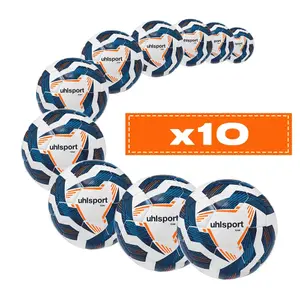
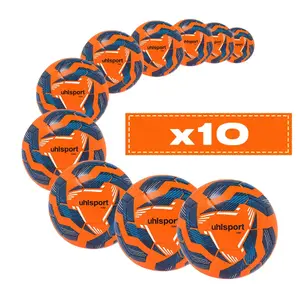
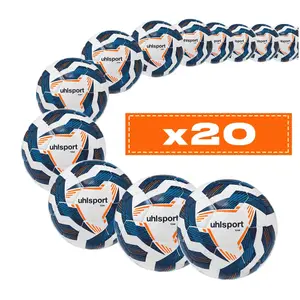
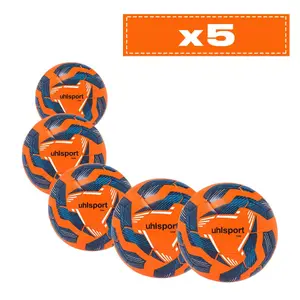
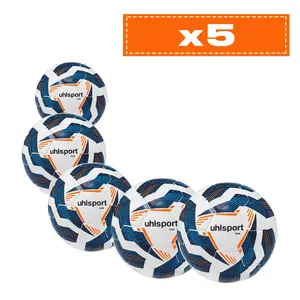
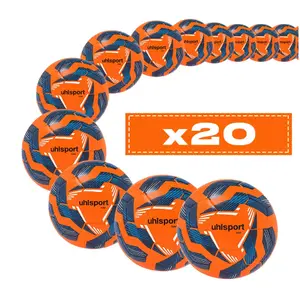
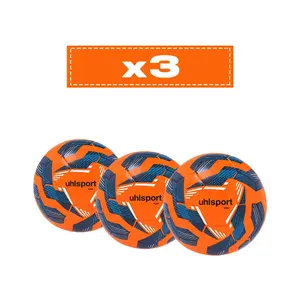


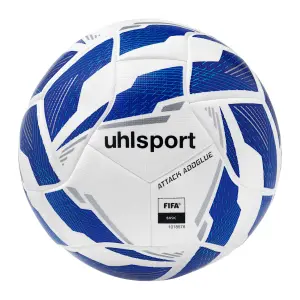


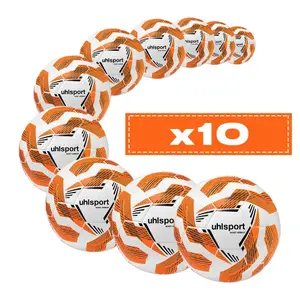
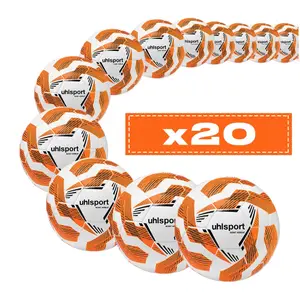
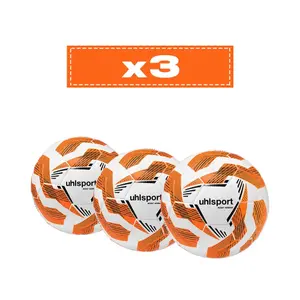
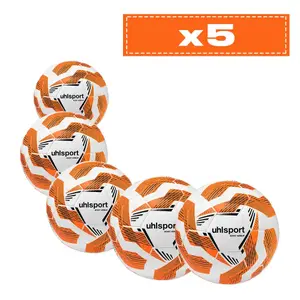
Born in 1948 in Balingen, Germany, Uhlsport has provided the balls for French professional football for ten seasons. The football balls Uhlsport are known for their durability, both in matches and training, and come in sizes 3, 4, and 5 to suit every category, from beginners to seniors.
Ten seasons of Ligue 1 and Ligue 2 at your feet.
Uhlsport, from Ligue 2 to Ligue 1 over ten seasons
Uhlsport signed with the Professional Football League starting from the 2012-2013 season to supply the Ligue 2 ball, the Triomphéo, made from twenty-two panels. From 2017-2018, the brand also equipped Ligue 1 with the Elysia, a ball developed for the occasion, featuring twenty-four heat-sealed panels, with the name evoking the Champs Élysées and the celebrations of French victories.
The Elysia changed colours over the seasons, including a yellow version reserved for the second half of the championship. The collaboration ended at the close of the 2021-2022 season, the tenth for Uhlsport serving French professional football.
Compare Uhlsport balls to other brands
To broaden your search, the football balls page brings together all brands. adidas balls feature models from major competitions, Puma balls draw inspiration from LaLiga and the Premier League, and Erima balls are suitable for training kits for clubs.
From Balingen to the football pitches, the story of Uhlsport
Uhlsport was established in 1948 in Balingen, Baden-Württemberg, under the name of Haase and Uhl, founded by Karl Uhl. The company initially manufactured leather cleats and then soles from 1953, before gradually expanding its production to all football equipment, including balls.
Renamed uhlsport GmbH in 1994, it has been owned by the Daiss family since 1998. This grounding in club equipment explains the DNA of its balls: a construction designed to last and withstand repeated sessions, on both natural and synthetic grass.
Choosing the right size of Uhlsport ball for each category
In a club, each category plays with its format. The youngest, up to around 8 years old, use the size 3, which is lighter and easier to control. U9 to U13 players switch to the size 4, measuring between 63.5 and 66 centimetres in circumference. From age 13 and for adults, the size 5 is standard, with a circumference of 68 to 70 centimetres and a weight between 410 and 450 grams.
For a coach, buying balls in bulk allows equipping an entire group with the same model and maintaining similar sensations from one training session to another. Plan for one ball per player for dribbling exercises, and a few extras for penalty shootouts.
Equipping your club with Uhlsport balls at the right time
Clubs often renew their balls at the end of the calendar year: Black Friday and the holiday season are good opportunities, ahead of the winter sales and equipment promotions. The French Days in spring and summer sales prepare for the resumption of training, while clearance sales accommodate end-of-line products. Everything is prepared and dispatched within 24 hours.
Frequently Asked Questions
Which Uhlsport ball was used in Ligue 1?
It's the Elysia, the official ball of Ligue 1 from 2017-2018 to 2021-2022. Ligue 2 used the Triomphéo from Uhlsport starting in 2012-2013, until the end of the partnership in 2022.
What's the difference between a heat-sealed ball and a stitched ball?
The panels of a heat-sealed ball are welded at high temperatures, without visible seams, which limits water absorption and provides a more stable trajectory. A stitched ball remains more affordable and very durable for training.
How many balls should be prepared for a youth team?
The ideal is one ball per child, so everyone touches the ball as much as possible during sessions. With a squad of fifteen players, a set of fifteen to twenty balls also covers losses and punctures.
What does the FIFA Quality label on a football mean?
It's a FIFA program launched in 1996. A ball bearing this label has passed tests for weight, circumference, sphericity, rebound, water absorption, pressure loss, and shape retention.
Is an orange or yellow Uhlsport ball regulation compliant?
Yes, colour does not fall within the criteria for a regulation ball. Orange and yellow shades are even recommended in winter, as they remain visible on snow or in low light.