
Football Erima balls for training
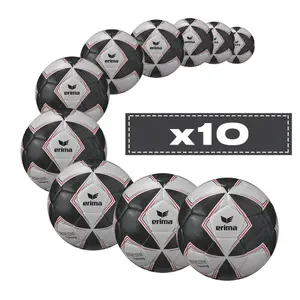
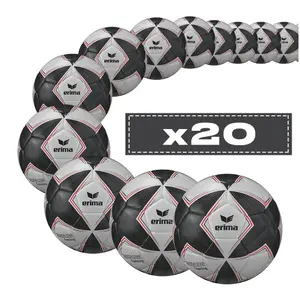
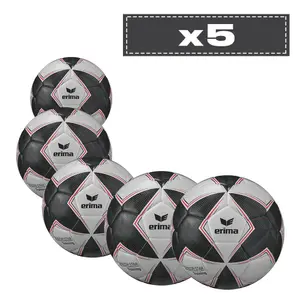
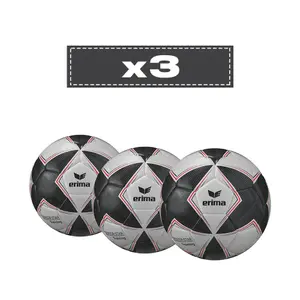
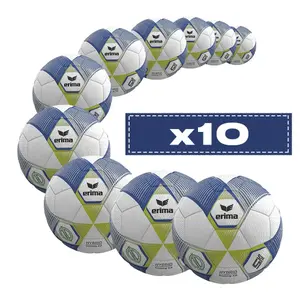
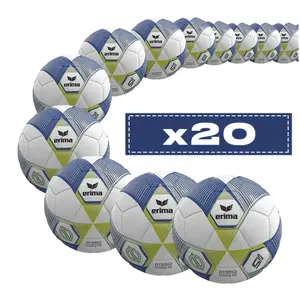
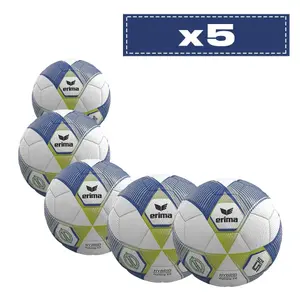

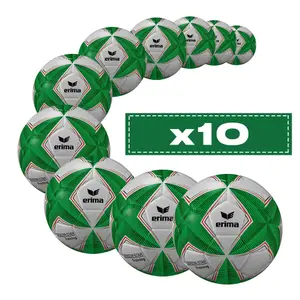
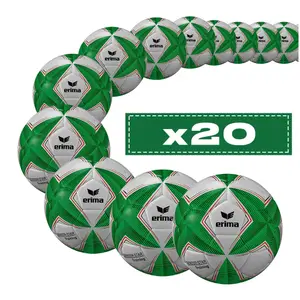
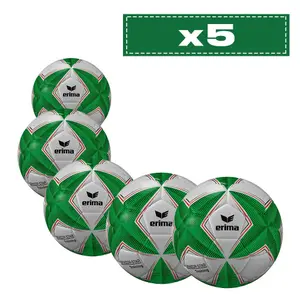
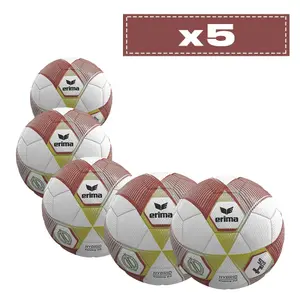
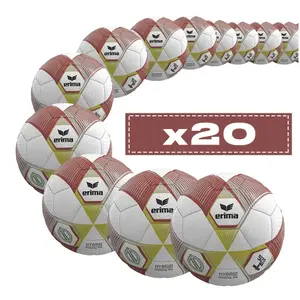
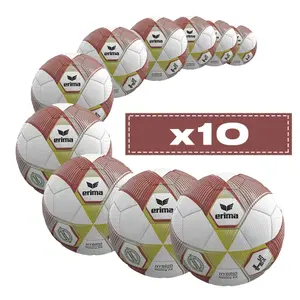

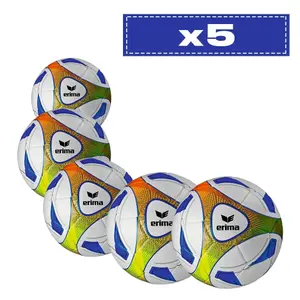
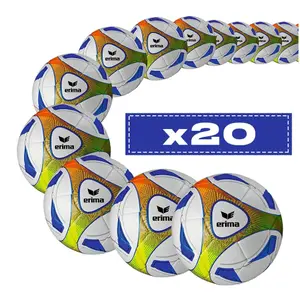
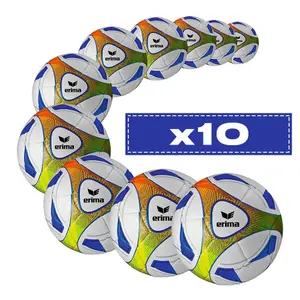
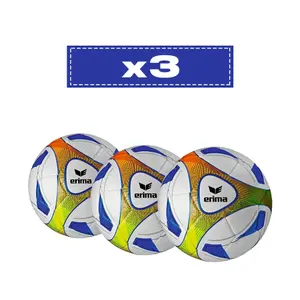


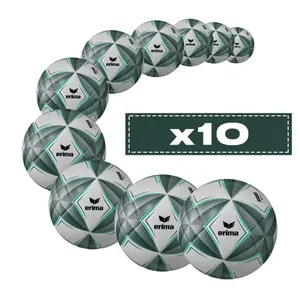
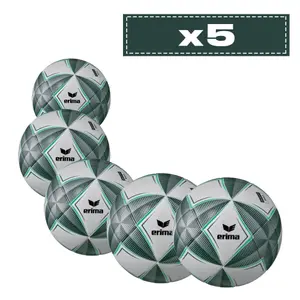
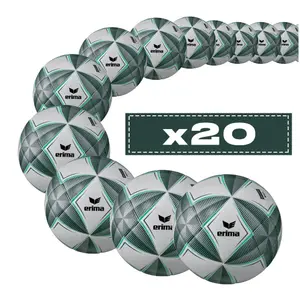
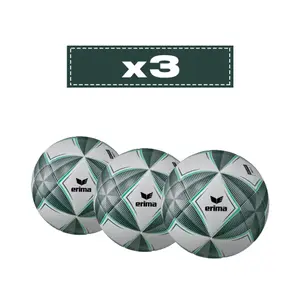
Founded in 1900 in Reutlingen, Erima is presented as the oldest sports brand in Germany still in operation, and its logo is a red ball. Our football Erima balls are primarily aimed at clubs: durable training balls, match balls, and sizes suitable for young players, from size 3 to size 5.
The ball of the clubs, from Reutlingen.
Erima, a sports brand born in Reutlingen in 1900
The story of Erima begins in 1900, when Remigius Wehrstein opens a small factory for sportswear in Reutlingen, Swabia. In 1951, the company adopts the name of its then-owner, Erich Mak, who also provides a new logo.
After a major restructuring in 1998, Erima becomes independent in 2005, when Wolfram Mannherz buys out the remaining shares. The brand has specialised in club equipment: a range designed for coaches, football schools, and amateur teams, who need reliable gear available in quantity.
Compare with other ball brands
For comparison, adidas offers World Cup balls in Club versions, Puma covers everything from leisure to match balls, and Uhlsport has the signature of the Balingen brand. All the balls, along with a size guide according to age, can be found on the football balls page.
Sewn, glued or hybrid: the construction of a club ball
Erima claims to have the first football that combines sewing and gluing in its production. This hybrid construction aims for the best of both worlds: the durability of a sewn ball, which endures hundreds of sessions, and the consistency of a glued ball, which absorbs less water and maintains its shape better.
For a club, this choice has tangible consequences. A training ball must withstand synthetic surfaces, strikes against boards, and sessions in the rain; a match ball needs to offer a reliable trajectory on weekends. Many teams reserve a few new balls for matches and use the older ones for training.
What a coach expects from a set of balls
A coach thinks in terms of sets: ideally, one ball per player, to maximise touches during technical workshops. Consistency matters as much as quality, as identical balls react the same from one workshop to another.
For younger categories, size is key: size 3 for U6 to U9, size 4 for U10 to U13 in football at eight, then size 5. Lightweight balls, lighter for their size, reassure beginners who are apprehensive about contacting the ball, especially in heading. Lastly, remember to have a pump and a pressure gauge: a set inflated to the same pressure makes sessions more uniform.
Restocking the club's balls at the right time
A club's balls wear out over the season. Equipment deals during Black Friday allow you to top up the set before the break and the festive season, while winter sales support the return phase. In spring, French Days for equipment come before youth tournaments, followed by summer sales and the resumption of training, as coaches prepare for the season. Clearance items are sold off, and every order is prepared and shipped within 24 hours.
Frequently asked questions
How many balls should be planned for a football school session?
The ideal is to have one ball per child, plus a few spare balls to replace those that go far away or deflate. Technical workshops gain a lot in intensity when no one is waiting their turn.
How often should a club's balls be re-inflated?
A check before each session is the best habit. A pressure gauge quickly verifies that the whole set is at the indicated pressure near the valve, ensuring the balls all react the same way.
What is a lightweight ball and for whom?
It’s a ball of standard size but lighter than normal. It’s suitable for beginners and young categories, who strike more easily and are less apprehensive about contact, especially in heading.
How should training balls be stored between sessions?
In a mesh bag, kept dry and away from a heat source. Allow wet balls to dry before storing: trapped moisture damages seams and can eventually cause panels to come apart.
Can a training ball be used in an official match?
For amateur matches, the rules of each competition specify the required ball. Many clubs keep a few new, match-quality balls for the weekend and reserve the others for training.