
Ligue 1: the shirts of French clubs

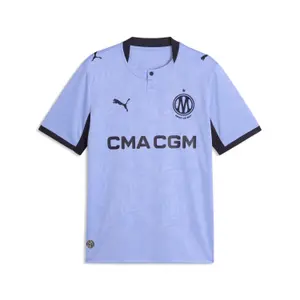
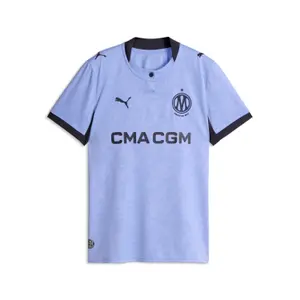
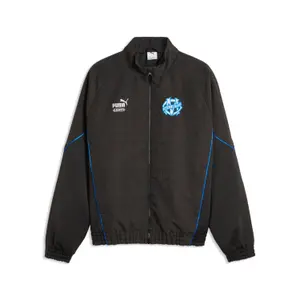
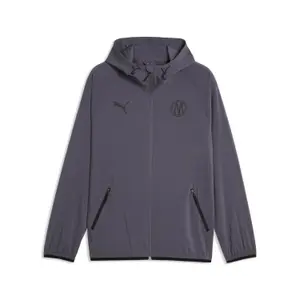

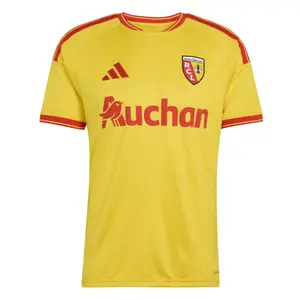

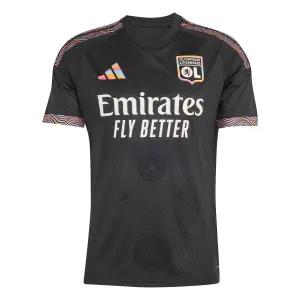


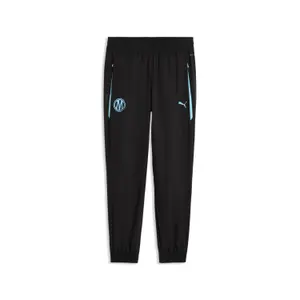
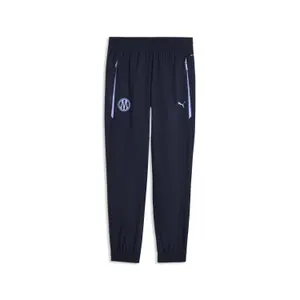
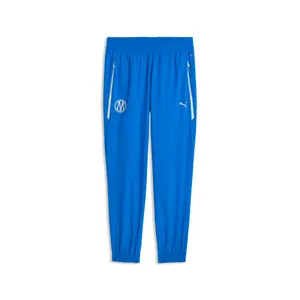


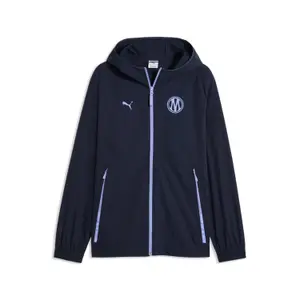
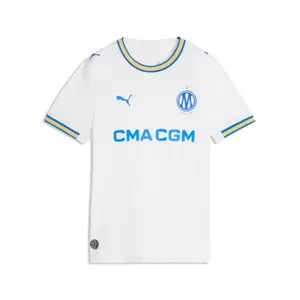


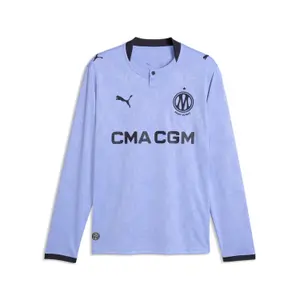
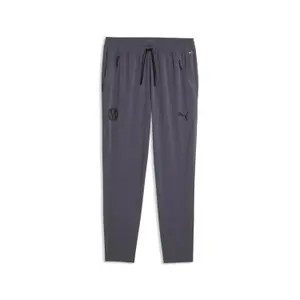

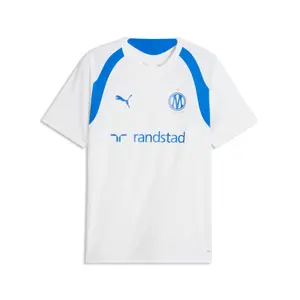
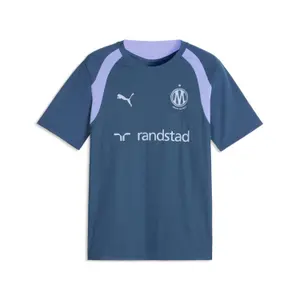
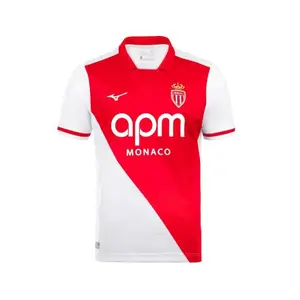

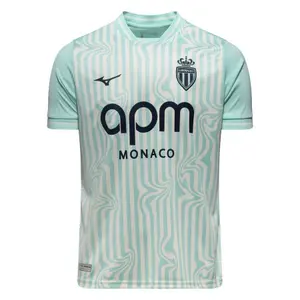
From the Vélodrome to Louis-II, the page jersey Ligue 1 brings together the kits of French clubs, from OM to Paris Saint-Germain: OL and RC Lens dressed by adidas, AS Monaco by Mizuno, LOSC by New Balance, home, away and third, in men's, women's and children's cups, with official badges and prints.
The whole French league, club by club.
The Ligue 1, professional league since 1932
The professional French league played its first match on 11 September 1932 under the name of National, before becoming Division 1, and then Ligue 1 in 2002. From the 2023-2024 season, it features eighteen clubs. Its history is filled with dynasties: Saint-Étienne in the seventies, OM at the turn of the nineties, Olympique Lyonnais with its seven consecutive titles from 2002 to 2008, followed by Paris Saint-Germain. In 1993 in Munich, OM became the first French club to win the Champions League.
The clubs of Ligue 1 and the kids' page
Every club has its page: Olympique de Marseille for the sky blue and white of the Vélodrome, Olympique Lyonnais for the OL kit, Paris Saint-Germain for the capital club, AS Monaco for the red and white diagonal, Lille OSC for the Dogs and RC Lens for the blood and gold. Junior sizes are grouped on the Ligue 1 kids' page, and all championships on the Teams page.
OM, OL, Lens, Monaco, Lille: who wears what in Ligue 1
Each club has its kit supplier, and thus its fit. adidas has been kitting OL since 2010 and is back with RC Lens from the 2026-2027 season, after several shared periods in the past. Mizuno has been dressing AS Monaco since 1 July 2025, and New Balance remains loyal to LOSC, committing to four jerseys per season. The fit varies significantly from one brand to another: always compare the size guide from the sheet, rather than relying on the size you wear from another supplier.
Official printing and badges on a Ligue 1 jersey
A Ligue 1 jersey can be personalised with the official printing of the league: the name and number use the typography found on players' jerseys, with a colour suited to each kit. The badges on the sleeves complete the look: league logo, French champion badge, or title holder of a European title depending on the clubs. For a lasting finish, a printed jersey should always be washed inside out and should never be ironed directly on the letters. Careful printing turns a supporter’s jersey into a unique item, often given as a gift for a birthday.
Good deals on Ligue 1 jerseys throughout the year
The calendar of good deals follows that of the French league. Black Friday and the end-of-year holidays concentrate the desire for gifts, to be watched in the club promotions. Winter sales come during the return phase, followed by the French Days in spring leading up to the final sprint for the title and Europe. With summer sales and the return of training, the Clearance welcomes the kits that clubs have just replaced.
Frequently asked questions
What is the most beautiful Ligue 1 jersey?
It's a matter of taste and loyalty: many supporters vote for a home jersey that respects historic colours, others for a bold third kit. The best approach is to compare the different clubs' designs side by side.
Why do some French jerseys have a star?
A star above the crest usually celebrates ten championship titles, or a victory in the Champions League depending on the club's choice. OM thus sports a star in memory of its European Cup won in 1993.
Men's or women's jersey for a female supporter?
The women's jersey is cut closer to the bust and fitted at the waist, with narrower shoulders. A female supporter who prefers a looser fit can opt for the men's model, often one size smaller than her usual size.
When do French clubs unveil their new kits?
Home jerseys are generally unveiled between the end of the league season and the restart, in May, June, or July. The away and third kits follow during the summer, sometimes extending into autumn for special editions.
Can a football jersey be washed in a machine?
Yes, on a delicate cycle at 30 degrees, turned inside out to protect the crest, sponsors, and print. Avoid fabric softener, which reduces the breathability of technical fabric, and the tumble dryer, which can peel off heat-sealed elements.