
Goalkeeper trousers, long and three-quarter
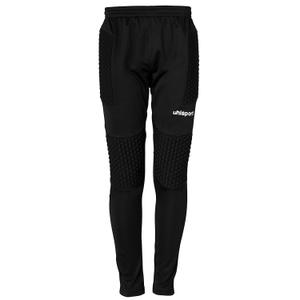
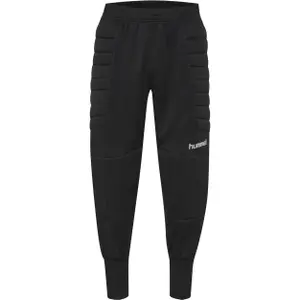
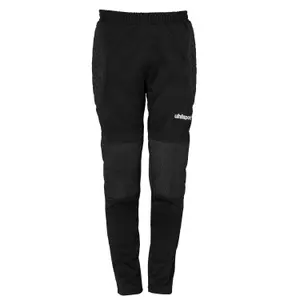
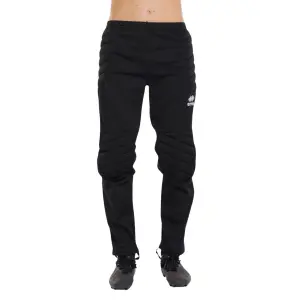
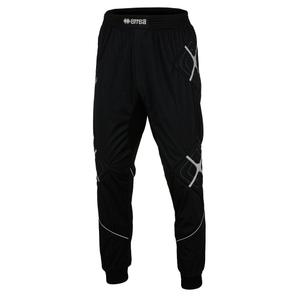
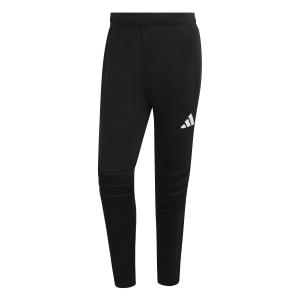
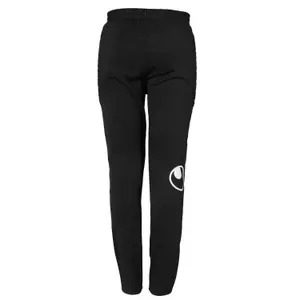
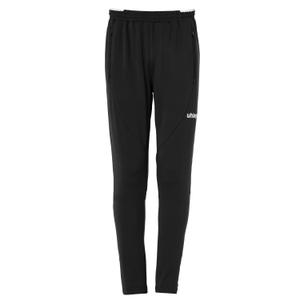


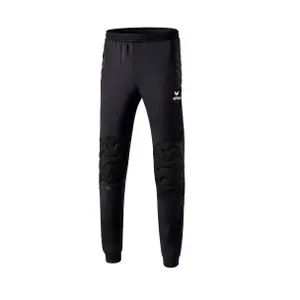
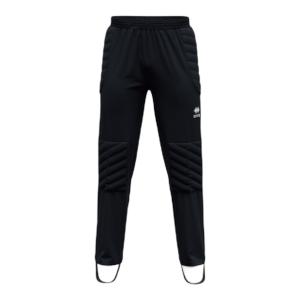
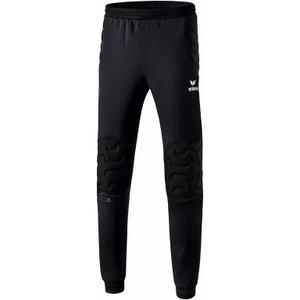
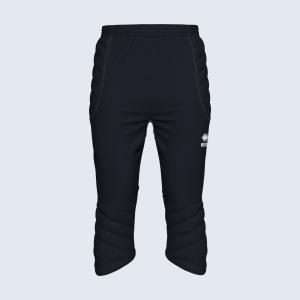
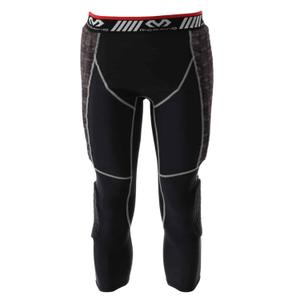
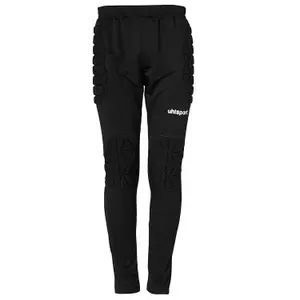
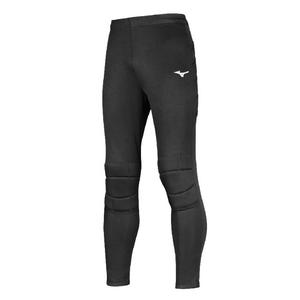
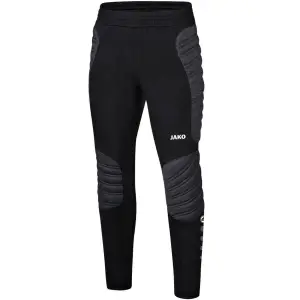
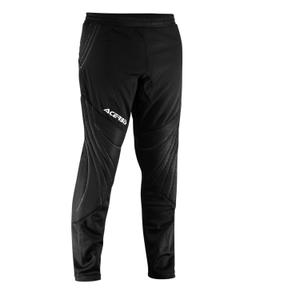
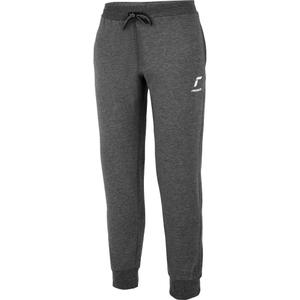
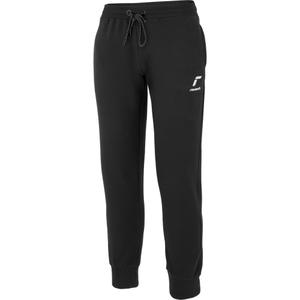
A goalkeeper's trousers are judged by their padding: foam placed on the hip and knee, the two points that hit the ground with every dive. Uhlsport, Hummel, Errea, Macron, Erima and McDavid offer this principle in long for winter and synthetic pitches, in three-quarters to keep the calf free, with child versions for young goalkeepers.
Choose the protection suited to your pitch.
Why padding is placed on the hip and knee
The padding in a goalkeeper's trousers covers the hip and knee because these are the two areas that take the impact upon landing: the hip during a side save, the knee when you block a shot close to the ground, when you get back up or when you dive at an opponent's feet.
At Uhlsport, the Anatomic Kevlar takes the logic further with ergonomic protections that have a Kevlar surface resistant to abrasion, a real plus on synthetic grass where granules wear out the fabric. McDavid takes a different approach with the Hex Guard: small independent hexagonal foam cells that move with you instead of forming a rigid plate.
Goalkeeper trousers by brand and in children's sizes
If you already have a brand in mind, the Uhlsport page brings together the Standard, Essential, and Anatomic Kevlar models, the Reusch trousers include the padded models from the German brand born in Metzingen, and the Joma page showcases the Protec, reinforced at the knees. Young goalkeepers can find their sizes among the children's goalkeeper trousers. When it's hot, padded goalkeeper shorts take over, and goalkeeper protections add elbow and knee pads under the outfit.
Long, three-quarters, or tracksuit bottoms for keepers depending on the pitch
The long trousers remain the standard from November to March and on synthetic pitches, as they protect the entire leg from the cold and sliding burns. The Standard model from Uhlsport adds elastic underfoot straps that prevent the bottoms from riding up during a dive.
The three-quarters stop below the knee: the kneecap remains covered, the calf breathes, and the high socks take over. Macron offers it with the Saiph, Errea with the Stopper in children's sizes. Errea also offers the Pitch, a tracksuit bottom designed for goalkeepers, for specific training sessions and pre-match warm-ups.
Properly adjust goalkeeper trousers to the waist and knee
A well-chosen pair of goalkeeper trousers places the knee foam right on the kneecap when the leg is bent: if it slips down the shin, the waist is too big. Also check the waistband. The Anatomic Kevlar combines an elastic waist with an inside drawstring, which prevents the trousers from riding up after each goal kick.
The leg cuff matters just as much. The Essential from Uhlsport tightens around the calf thanks to a ribbed insert at the back, while the Classic from Hummel finishes the leg with a thick ribbed edge that keeps the protections in place. For a child, prefer the exact size rather than a size up: poorly placed protection no longer cushions anything.
Black Friday, sales, and French Days to gear up before winter
Long trousers are often refreshed just before winter: Black Friday and the end-of-year holidays come at the right time, before the winter sales extend the opportunities on the promotions page for goalkeeper gear. In spring, the French Days for goalkeeper equipment allow for anticipation, then the summer sales and the return to training spark desires for something new. The sizes and colours from the end of the series then go into clearance.
Frequently asked questions
Is padded trousers useful on synthetic turf?
Yes, it’s actually where it’s most beneficial. The granules and plastic fibers burn the skin as soon as a goalkeeper slides bare-legged, and padded long trousers prevent those wounds that can be bothersome for several days afterwards.
How to wash goalkeeper trousers without damaging the foam?
Turn them inside out, wash at a maximum of thirty degrees and let them air dry, never in the tumble dryer, which distorts the foams and hardens the reinforcements. Also avoid bleach, which weakens synthetic fibers.
Can football goalkeeper trousers be used for handball?
Yes, the side dives of a handball goalkeeper also stress the hip and knee. On parquet, the friction is less harsh than on football synthetic, so a three-quarter trouser often suffices and allows for more freedom of movement in the legs.
At what age does a goalkeeper child need padded trousers?
As soon as they regularly take on the position and start diving, regardless of their age. The children’s versions of the Standard, Essential, and Anatomic Kevlar models from Uhlsport or the Classic from Hummel have the same protections in smaller sizes.
Which trousers to choose when starting as a goalkeeper?
A long model with classic protections, easy to care for, is more than enough to learn how to dive. The abrasion-resistant Kevlar surface or the Hex cells from McDavid make sense later, when you train several times a week on synthetic.