
Goalkeeper glove cuts
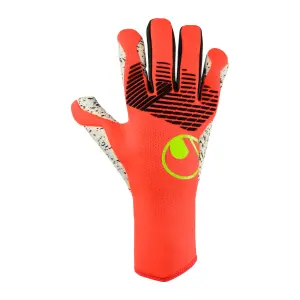
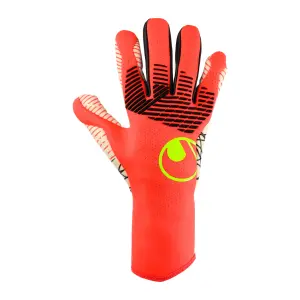

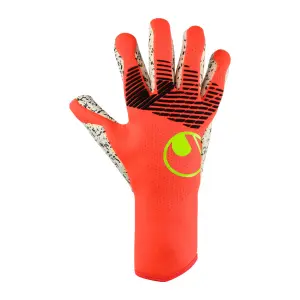
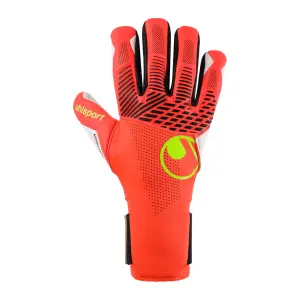
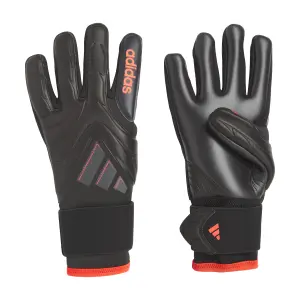
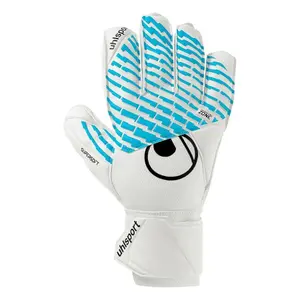
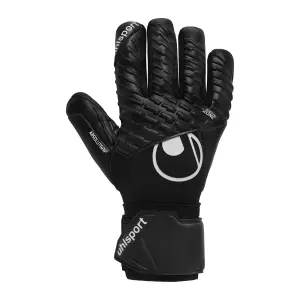
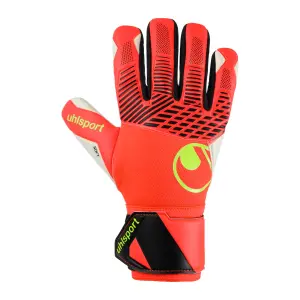
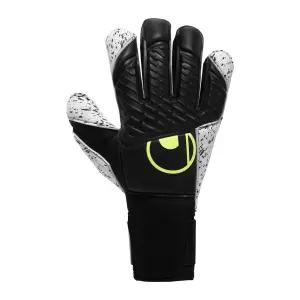
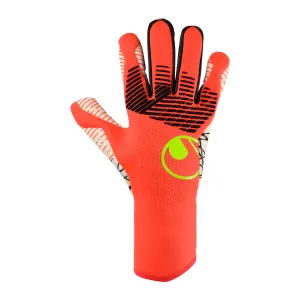
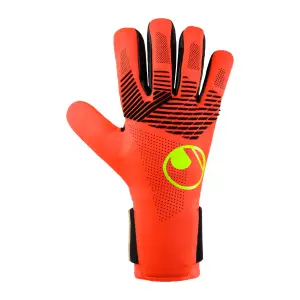


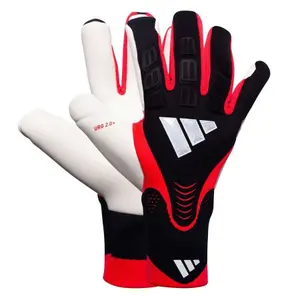

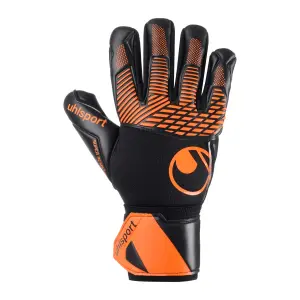

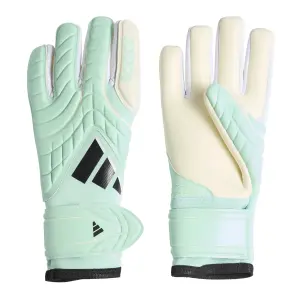
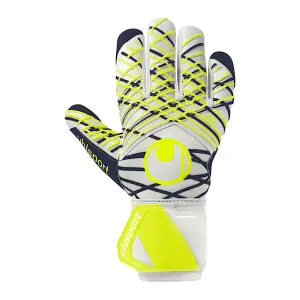

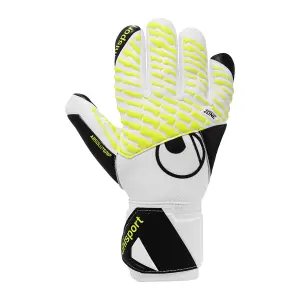

The types of goalkeeper gloves are distinguished primarily by their cut, which is the way the latex palm is assembled to the fingers: flat, negative, rollfinger or hybrid. Then there is the protection of the fingers, with or without Finger Save bars. Each construction changes the feel, contact surface, and fit: compare them before choosing.
A cut for every hand and every style
Flat cut, negative cut, rollfinger, hybrid: the differences
- Flat cut: the palm is stitched to the back of the hand with side inserts, seams on the outside. The glove fits wider and remains very comfortable.
- Negative cut: the seams are on the inside, the latex hugs the fingers without excess material for precise ball feel.
- Rollfinger: the back connects directly to the palm without inserts, and the latex wraps around each finger for maximum contact area.
- Hybrid cut: it mixes two constructions, for example, internal seams for fit and wrapped latex on the sides to enlarge the grip area.
Explore each type of goalkeeper glove
Each cut has its page. Gloves with Flat Seams are suitable for wide hands and beginners, while Negative Seams are for keepers who want a glove close to their fingers. Rollfinger models maximise the latex area, and Hybrid Seams seek a compromise between the two. Gloves equipped with protection bars are gathered on the Finger Save page, and the entire catalogue remains on Goalkeeper Gloves.
Which cut based on your hand and playing style
The shape of your hand guides your choice. Slim fingers and a narrow palm benefit from a negative cut, which eliminates excess material. A wide hand or thick fingers feel better in a flat cut or rollfinger, which are more forgiving during fitting.
Your style of play also matters. A keeper who blocks a lot of crosses and shots seeks the largest possible latex surface, hence a rollfinger or hybrid cut. Someone who quickly throws from the hand and wants to feel every ball prefers a snug cut. Beginners often do well to start with a flat cut, the most comfortable, before refining their choice.
Finger Save bars, a unique protection
Finger protection is added to the cut, it doesn't replace it. Stiff bars slipped into the back of the fingers bend forward when you close your hand, but resist when a shot pushes a finger back. adidas calls them Fingersave.
Uhlsport has developed its own system, the Flex Frame: a frame that covers the index, middle, ring, and little fingers, without touching the thumb, and that prevents fingers from twisting while allowing free gripping movements. These protections exist in both flat cut and negative cut, and on some models the bars can be removed.
Good deals based on the cut you’re aiming for
No matter which cut you choose, prices change throughout the year. Black Friday and the end-of-year holidays kick off the discount season, followed by winter sales. In spring, the French Days have their Goalkeeper Gloves page from the French Days. Summer sales and the return of training then feed the Promotions page, and discontinued models of each cut are found in Clearance.
Frequently Asked Questions
Which cut of glove do top-level keepers use?
The negative cut and its variants are very popular among professional keepers because they fit the hand and provide a precise feel. Hybrid and rollfinger cuts also have their fans: it’s primarily a matter of sensation.
Does a negative cut suit a wide hand?
It can quickly become uncomfortable, as it constricts the hand by design. Keepers with wide hands tend to prefer a flat cut, a rollfinger, or a softened negative, like Uhlsport's Half Negative, which adds inserts between the palm and back.
Does the construction of the glove affect its lifespan?
Yes, in part. The internal seams of a negative cut stretch the latex, which may wear out a bit faster. But the first factor remains the foam itself and the surface on which you play: synthetic surfaces wear out much more than grass.
Does latex matter as much as the cut?
As much, if not more. A soft latex grips better but wears out quickly, while dense latex lasts longer on synthetic with less grip. Choose the cut for your hand first, then the latex for your pitch.
Do World Cup edition gloves have a specific cut?
No, these editions use the usual constructions of the brands with colors dedicated to the competition. For example, at Reusch, the Attrakt Freegel Fusion from this series retains its Evolution Negative Cut.