
French Days : shirts and team kits
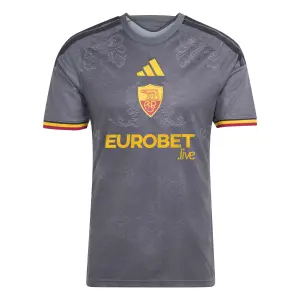


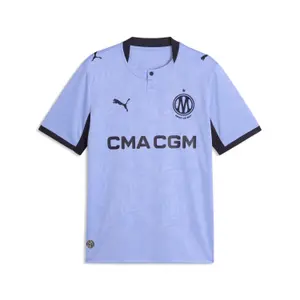
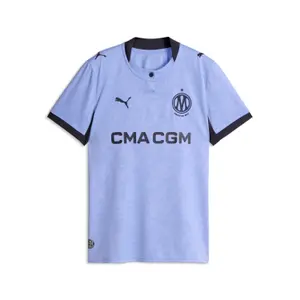
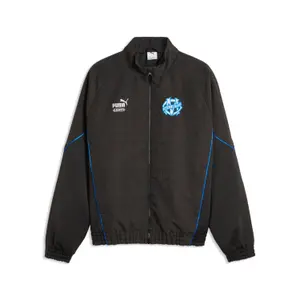
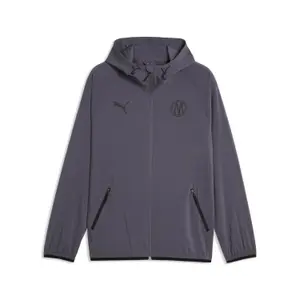


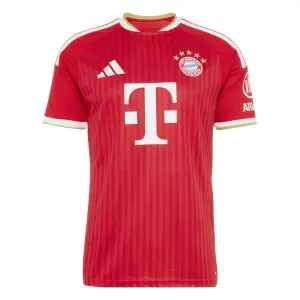


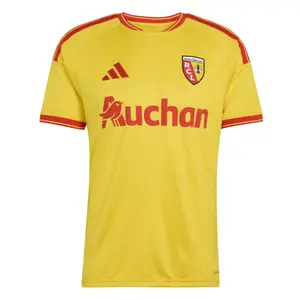
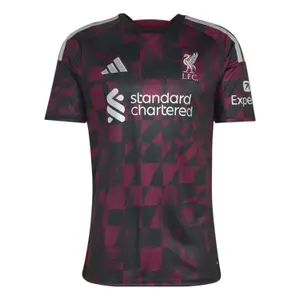
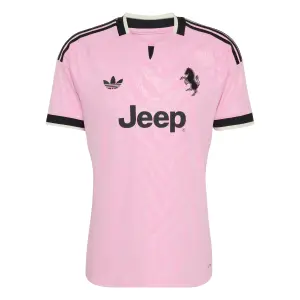
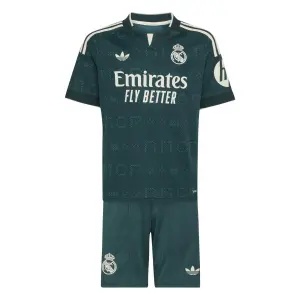


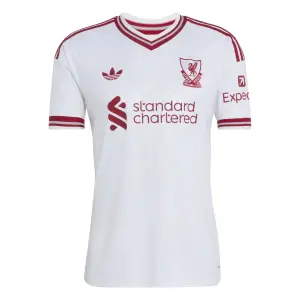
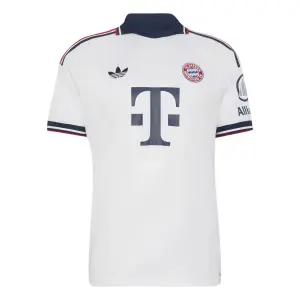
During the French Days, the page for team shirts brings together clubs and national teams with offers: home, away and third shirts from OM, OL, RC Lens, Real Madrid, Juventus or Bayern Munich, in supporter or authentic versions, as well as jackets and tracksuit bottoms in the teams' colours.
Your club, your version and your preferred printing
Supporter version or authentic version: the difference
The supporter version is designed to be worn every day: looser straight fit, slightly thicker fabric, and a badge that is usually embroidered or sewn. It's the shirt for the stadium, the couch and the five with friends. The authentic version mimics what the players wear on the pitch: a fitted cut, lighter and more breathable fabric, and heat-sealed badges and logos to save weight.
Practical consequence: an authentic shirt fits closer to the body. If you're unsure between two sizes or want to wear it over a t-shirt, go for one size up from your usual size.
The other pages of the French Days for supporters
Supporters don’t stop at the shirt. The junior sizes of clubs and teams are gathered on the Children page, while the boots to play like your idols are on Football Shoes. Goalkeepers complete their gear with Goalkeeper Gloves and Goalkeeper Equipment, and bags, socks and accessories are on Equipment. All the offers are gathered on French Days.
Home, away, third: the three kits of a club
Each club has several kits to avoid any colour confusion with the opponent. The home shirt features the historic colours: the white and sky blue of OM, a club founded in 1899, the blood and gold of RC Lens, the white emblazoned with red and blue of OL, and the all-white of Real Madrid. The away shirt comes into play when these colours are too similar to those of the opponent.
The third, the third kit, is often the playground of designers: unexpected colours, graphic patterns, nods to the club's history. It's also the shirt that strays the most from the beaten path in a supporter collection.
Printing and badges: customize a team shirt
A shirt can be personalized with printing: the name and number of your choice, in the typography of the league or competition, or your own first name for a gift. The competition badges, Ligue 1 or Champions League, are placed on the sleeve and faithfully replicate the shirt worn in matches.
National teams follow the same logic as clubs: home and away shirts, supporter and authentic versions, pre-match tracksuits. Above the badge, their stars recall the World Cups won, a detail that collectors always pay close attention to.
When to buy your club's shirt
The shirts of a season are mostly released between late spring and early summer, then accompany the team year-round. The Black Friday and the end-of-year holidays are the time for printed gifts, while the winter sales are for the third kit that you didn’t get yet. The spring French Days and summer sales come at the end of the season, just before the new shirts are released at the start of training. The shirts from previous seasons, however, go to Clearance, perfect for completing a collection.
Frequently asked questions
Can a printed shirt go in the washing machine?
Yes, turned inside out, at a maximum of thirty degrees and without fabric softener. Avoid the tumble dryer and placing the iron directly on the printing, which is sensitive to heat: that’s what makes it crack or peel over time.
What do the stars above the badge mean?
On a national team shirt, each star represents a won World Cup: two for France, three for Argentina, five for Brazil. For clubs, the custom varies by country; in Italy, a star rewards ten championship titles.
Can you print on a national team shirt?
Yes, national team shirts can be printed like club shirts, with the name and number of your choice. During major international competitions, the typography is often specific to the tournament, giving the shirt a true souvenir character.
Why does an authentic shirt cost more?
It uses the materials and construction of the shirt worn in matches: lighter technical fabric, ventilated areas, heat-sealed logos and a fitted cut. These finishes cost more to produce, whereas the supporter version prioritizes durability in washing and comfort.
How to preserve a collection shirt?
Keep it on a wide hanger or flat in a drawer, away from direct sunlight that fades the colours. Avoid washing it if it isn't worn, and slip a sheet of tissue paper over the printing if you fold it, so it doesn't stick to the fabric.