
French Days: studded football boots
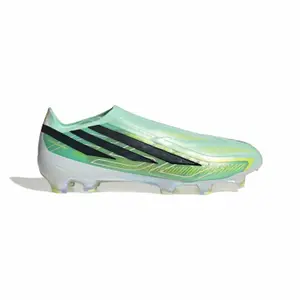
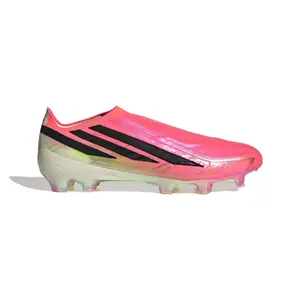
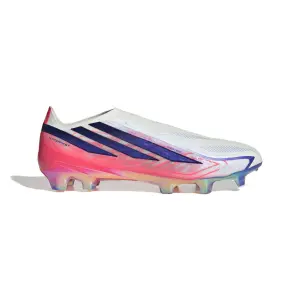
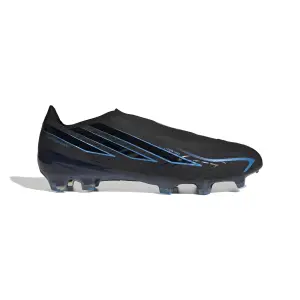
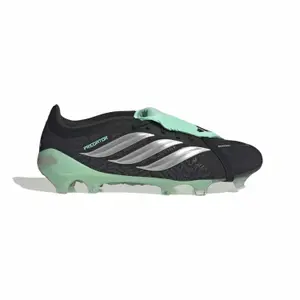
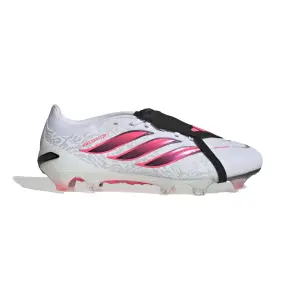
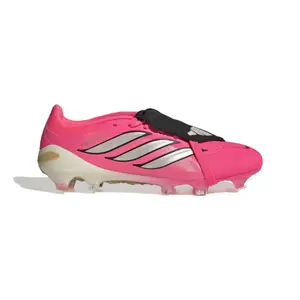
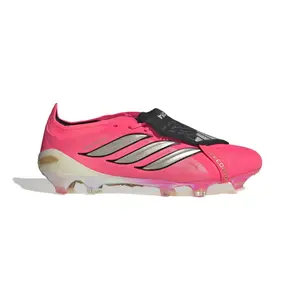
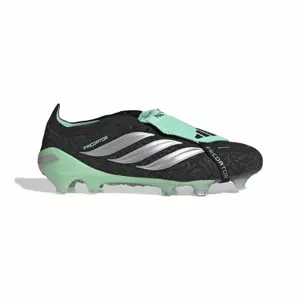
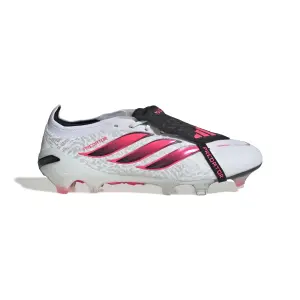
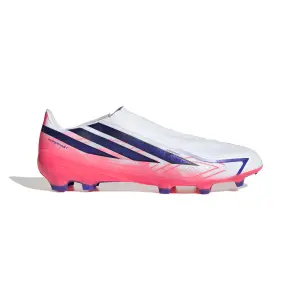
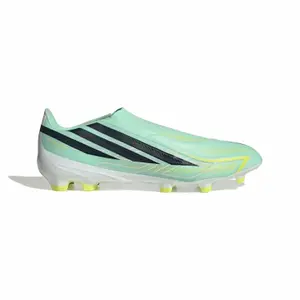
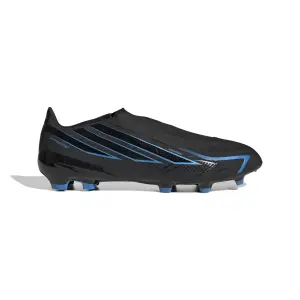
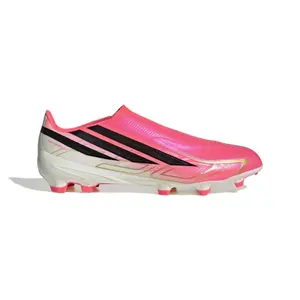
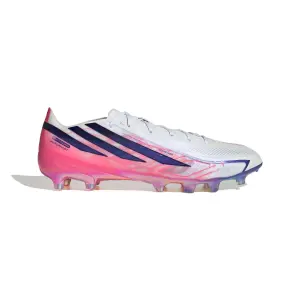
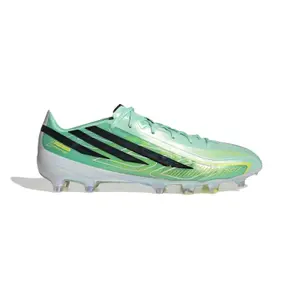
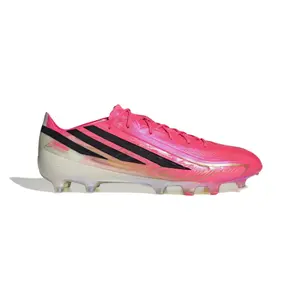
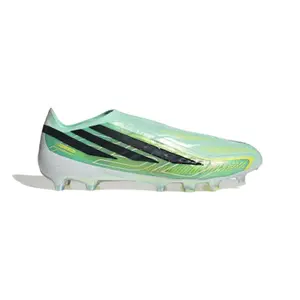
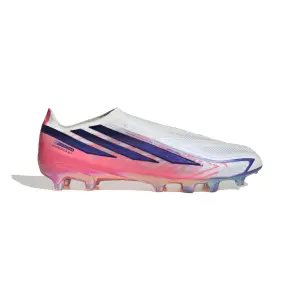
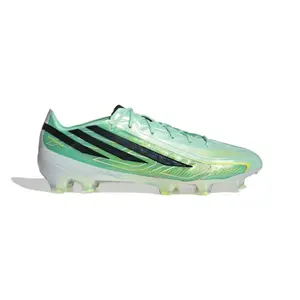
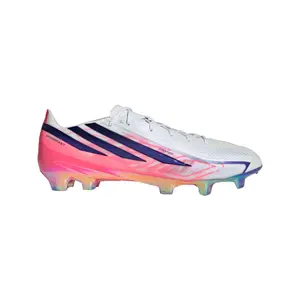
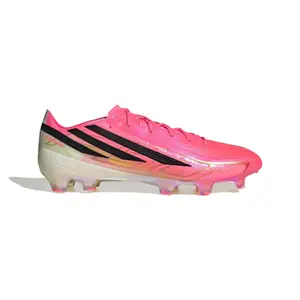
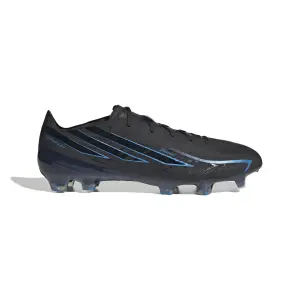
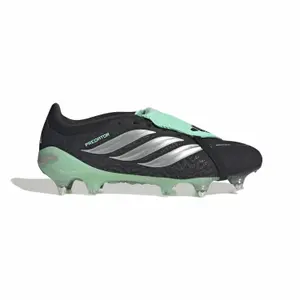
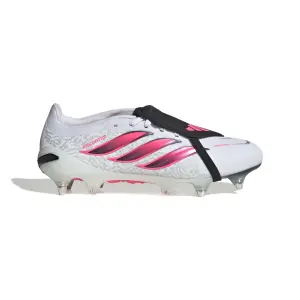
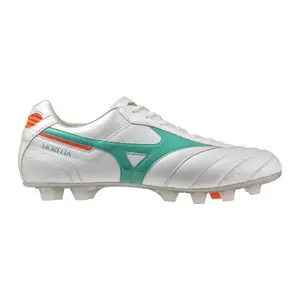
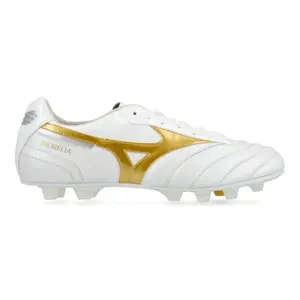
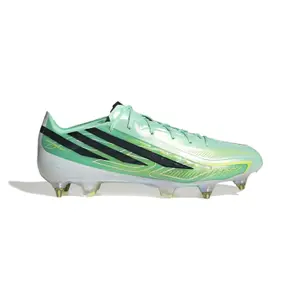
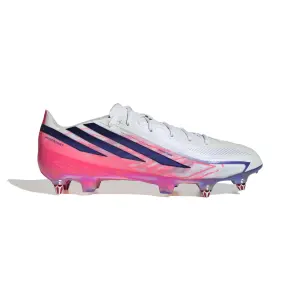
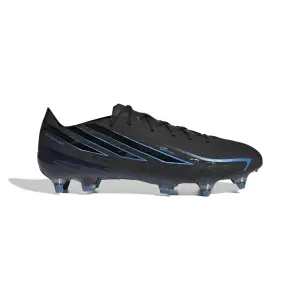
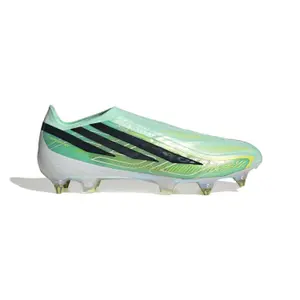
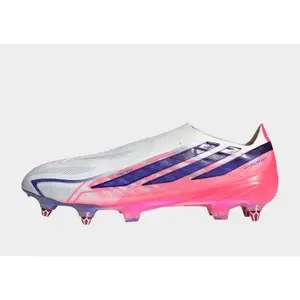
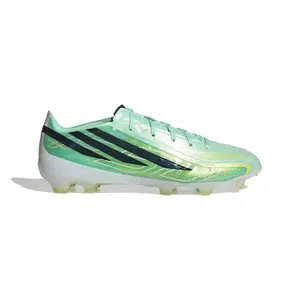
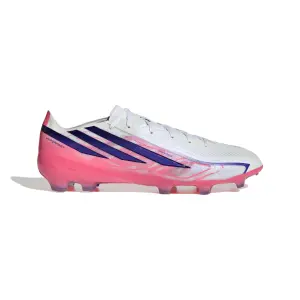
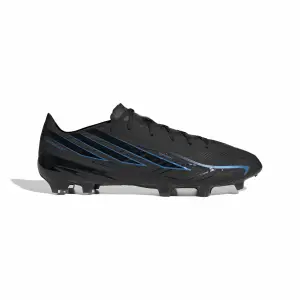
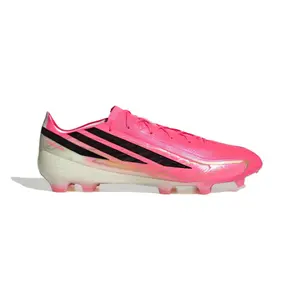
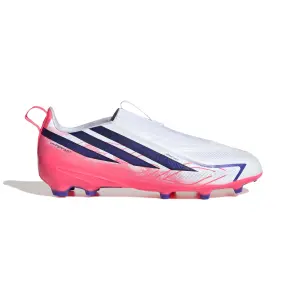
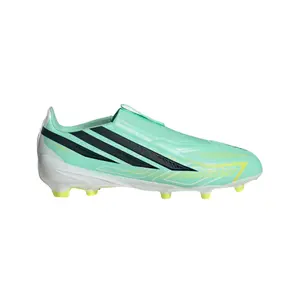
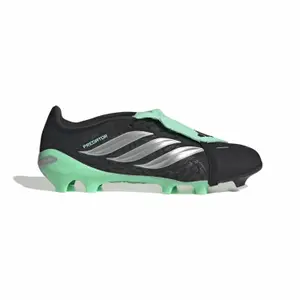
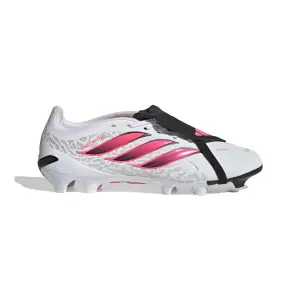
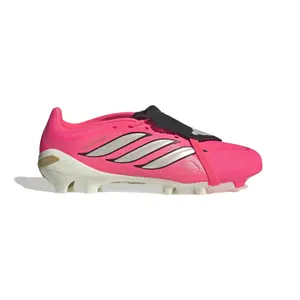
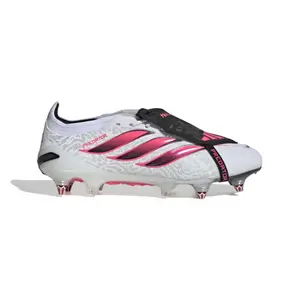
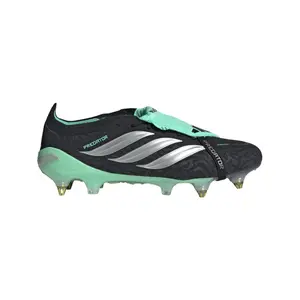
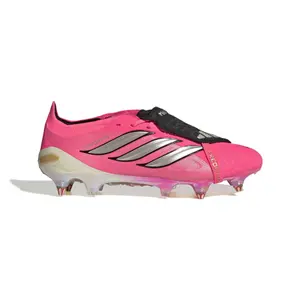
During the French Days, this page brings together football boots on offer, from the speedy adidas F50 to the Predator designed for striking and control, as well as the Mizuno Morelia with its flexible upper. Each model comes with several outsole options: first check your pitch, whether it's natural or synthetic grass, then your size, before comparing the different ranges.
The right boot for your pitch, at the right time
F50, Predator, Morelia: three ways to fit a footballer
The F50 is adidas's speed boot: launched in 2004, discontinued in 2015, then reintroduced in 2024, it features a thin, lightweight upper for players who thrive on acceleration. Its LL versions are worn laceless.
The Predator dates back to 1994 and the prototype of former player Craig Johnston, who sought more grip on the ball: it remains the line for control and striking, here with FT versions that have a foldable tongue. At Mizuno, the Morelia, the brand's first football boot from 1985, built its reputation on kangaroo leather and a near-barefoot feel.
Complete your gear with the other French Days pages
If your boots are sorted, complete your outfit. Goalkeepers find their pairs on Goalkeeper Gloves and the rest of their kit on Goalkeeper Equipment. Club and national team jerseys are grouped on Teams, shin guards, socks, and bags on Equipment, and kids' sizes on Children. To see the whole operation at a glance, return to the French Days page.
FG, AG, SG or MG: what sole for what terrain
The sole is chosen before the model. The FG (firm ground) is designed for dry or slightly wet natural grass, with moulded studs. The AG (artificial ground) features more numerous and shorter studs, which distribute pressure on synthetic grass and protect joints. The SG (soft ground) uses screw-in studs to grip a wet and soggy pitch.
Mixed soles FG/AG or FG/MG (multi ground) cater to both types of surfaces: a good compromise for a club player alternating matches on grass and training on synthetic. Screw-in studs, on the other hand, should be avoided on artificial turf.
Elite, Pro, League, Club: reading the range level
At adidas, each line comes in several levels. The Elite version uses the upper and sole from models worn by professionals, with the lightest materials. The Pro retains the essence with a slightly simpler build, the League aims at the regular club player, being more robust and easier to wear, and the Club is aimed at beginners.
The higher the level, the finer and more fitted the boot, which assumes a used-to-it foot. A player training twice a week often finds more comfort in a League than in an Elite. The children's models often reflect the League and Club levels, like the junior Predator League.
Buying boots outside of the French Days period
The right time to change shoes largely depends on the wear of your pair, but certain periods make buying easier. Black Friday and the end-of-year holidays happen mid-season, when a sole may give way halfway through. The winter sales follow, then the spring French Days, an ideal time to prepare for the following season. The summer sales and the return to training complete the cycle. Throughout the year, the Clearance sells off remaining colours and sizes from past collections, a route to explore if your size is still available.
Frequently asked questions
Should I take my usual size in football shoes?
Most often yes, but shapes vary from brand to brand: a Morelia fits differently from an F50. Try them on at the end of the day when your foot has slightly expanded, and check that your heel doesn't slip when you run.
Leather or synthetic: which upper to choose?
Leather, like the kangaroo leather of the Morelia, moulds to the foot and offers a soft feel, but it needs upkeep and can’t tolerate moisture. Synthetic is lighter, retains its shape in the rain, and cleans easily: it's the choice for most speed models.
Can you play on synthetic with FG studs?
Occasionally, yes, but FG studs are taller and grip synthetic grass more, which can strain ankles and knees and wear out the sole. For regular use on synthetic, an AG or mixed FG/AG sole is safer.
How can I make a pair of football shoes last?
After each match, brush off the mud, remove the insole, and stuff the shoes with newspaper to let them dry away from a radiator. If you play often on very different pitches, alternate between two suitable pairs.
How do I know if a child needs a new size?
With the shoe on and standing up, press on the toe of the shoe: there should be about half a centimetre in front of the longest toe. If the toes touch or if the child complains after training, it’s time to change, sometimes more than once a season for the youngest.