
French Days: football gear for kids
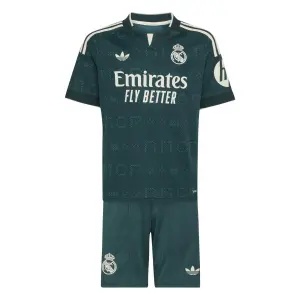
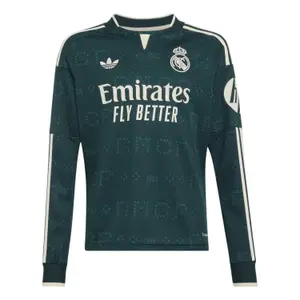


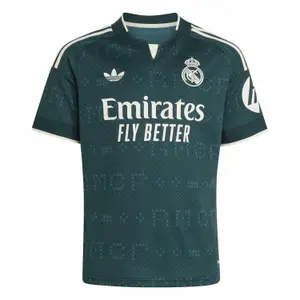
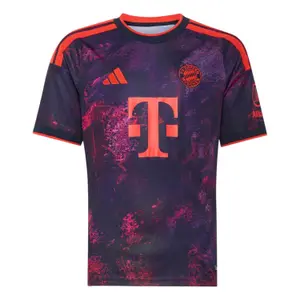


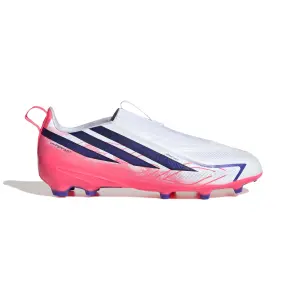
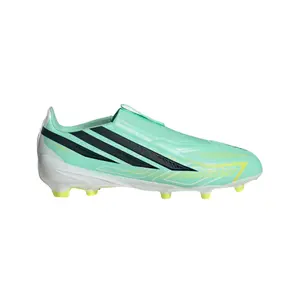

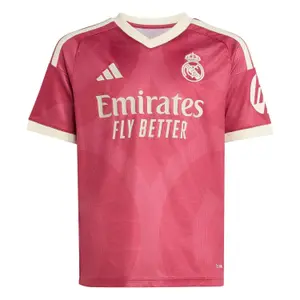


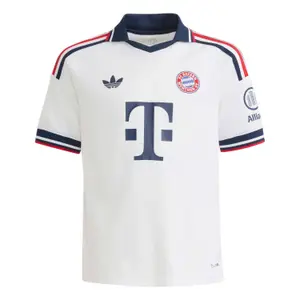

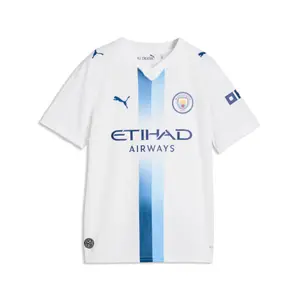

During the French Days, this page gathers children's football gear on offer: club and national team jerseys designed for kids, shirt and shorts sets to play like the pros, hoodies and junior adidas F50 and Predator boots. Sizes are indicated according to age or stature: measure your child before choosing, they grow quickly.
Junior sizes for every young enthusiast
Child's kit or complete set: what to choose for a young supporter
The child's kit features the colours and crest of the professional team's kit in a cut designed for younger fans, made from breathable fabric. It can be worn at the stadium, during recess or at training, and allows for printing the child's chosen name and number. Clubs like Real Madrid, Arsenal, and Bayern Munich often offer their home, away, and third kits in junior sizes.
The set including a shirt and shorts goes a step further: it replicates the full club outfit, perfect for little ones who want to play in the garden dressed like their idols. The Real Madrid version is available in home and away styles.
The other pages of the French Days for the whole family
Are you looking for something other than junior sizes? Adult boots can be found in Football Shoes, while club and national team shirts for everyone are available on Teams. Young goalkeepers will find their pairs on Goalkeeper Gloves and their padded kits on Goalkeeper Equipment, while bags, shin guards, and socks can be found under Equipment. The entire operation is showcased on French Days.
Read junior sizes for a shirt or shoes
Brands label their junior sizes in two ways: by age (8 years, 10 years, 12 years) or by height in centimetres (128, 140, 152, 164). Height is more reliable, as two children of the same age can vary by ten centimetres. Measure them standing, barefoot, and choose the corresponding size; if you're unsure between two, the larger size allows for some growth without being too big.
For boots, trace the outline of the foot on a piece of paper, measure from the heel to the tip of the longest toe, and add about half a centimetre. Try to avoid going two sizes up: a foot that moves around in the shoe tires and injures more easily.
What football shoes for a beginner child
A beginner doesn't need the model worn by professionals. The Club versions from adidas, like the F50 Hyperfast Club, are designed for them: softer upper and FG/MG sole suitable for both natural grass and synthetic pitches at football schools. The Vel version, with a hook-and-loop fastener, is easy for them to put on and take off by themselves, a real plus for those who haven't learned to tie laces yet.
Once the child plays in a club several times a week, a League level, like the Predator League junior with a foldable tongue, offers more support and durability.
The best times to dress a young footballer
A child playing for a club changes shoe sizes and kit sizes several times between seasons: it's better to time purchases around key points. Black Friday and the end-of-year holidays are the time for a shirt with their name under the Christmas tree. The winter sales allow for replacing boots that have become too small mid-season, the French Days in spring prepare them for summer, and the summer sales followed by the start of training enable them to start with a properly sized kit. Children's sizes from past collections also join the Clearance section.
Frequently asked questions
At what age can a child take a football license?
In France, the FFF license is available from their fifth birthday, in the U6 category. U6 and U7 play in small teams, with three or four players, without rankings: the aim is to discover the game and touch the ball a lot.
What is the minimum equipment for a child starting football?
A pair of boots in their size, shin guards fully covered by high socks, a pair of shorts, and a T-shirt are enough for the first sessions. Shin guards are mandatory at any age according to the Laws of the game.
Does a child need screw-in studs?
Rarely. Young players mostly play on synthetic surfaces or dry grass, where an FG molded sole or a mixed FG/MG is sufficient and easy on their joints. Screw-in studs are only necessary on soft grass and should be avoided on artificial turf.
Can a child's kit be printed like an adult's shirt?
Yes, the name and number are applied in the same way, in sizes suitable for the shirt size. Many parents choose the child's first name rather than that of a player, a printing that stays relevant even after a transfer.
Home or away kit: which one to give as a first?
The home kit, in the club's historical colours, remains the first choice for a first shirt. The away or third shirts make excellent second kits, appreciated by children because fewer friends wear them to school.