
The latest football boots
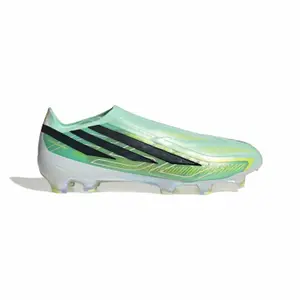
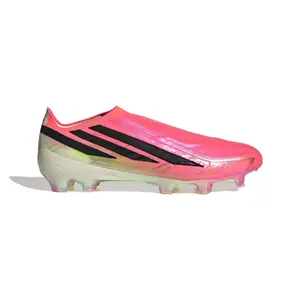
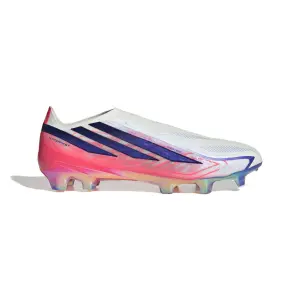
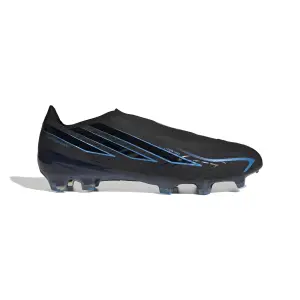
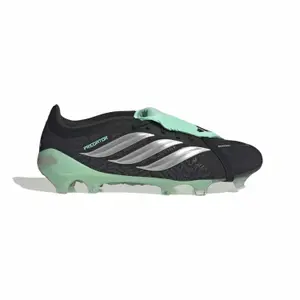
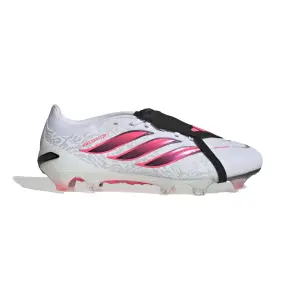
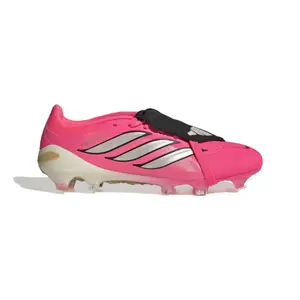
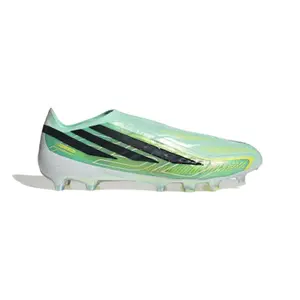
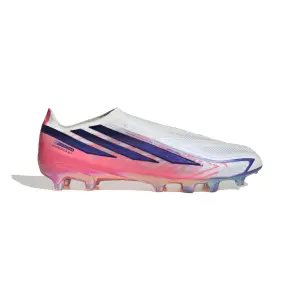
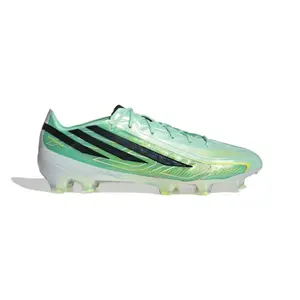
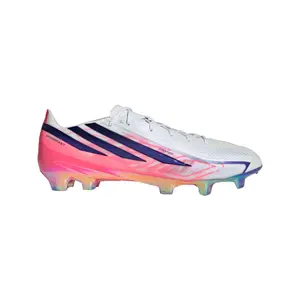
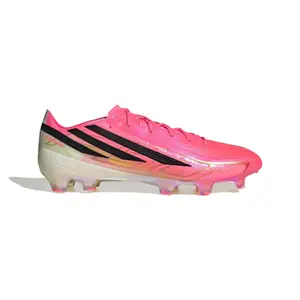
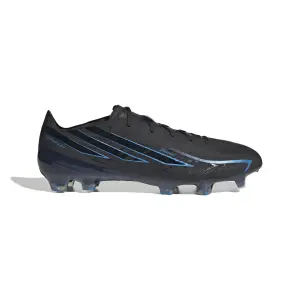
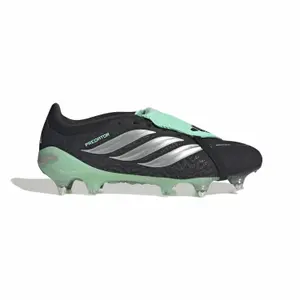
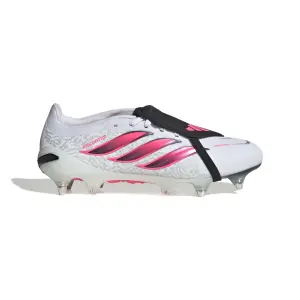
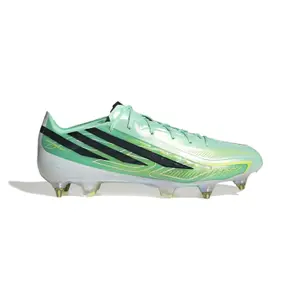
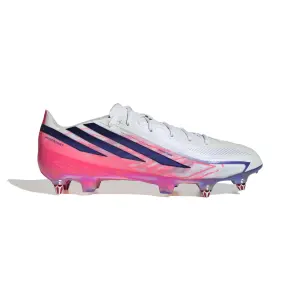
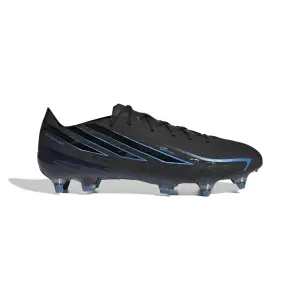
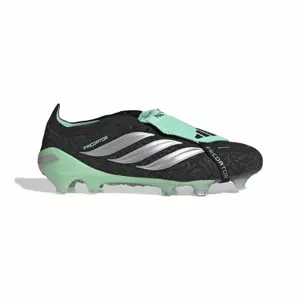
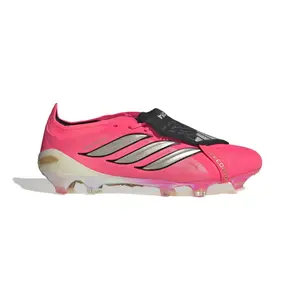

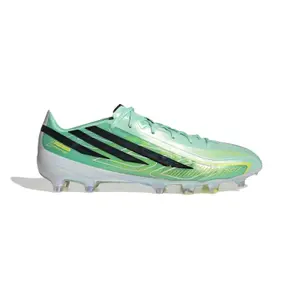
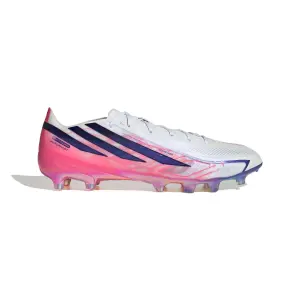
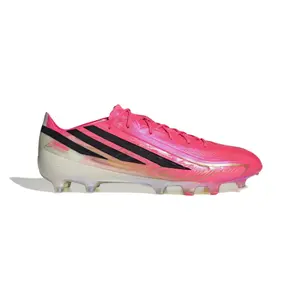
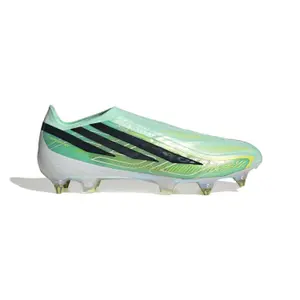
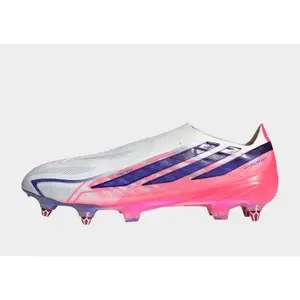
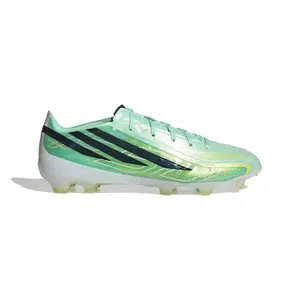
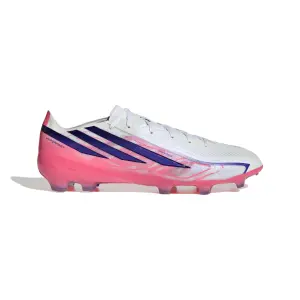
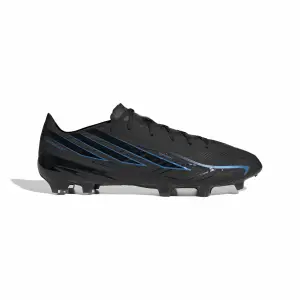
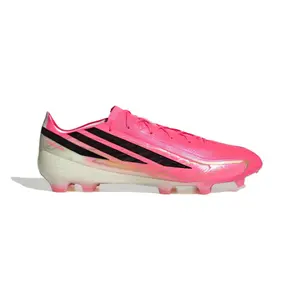
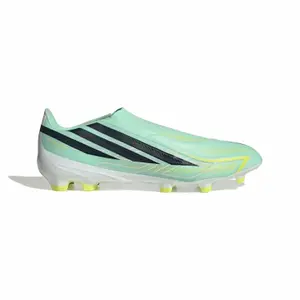
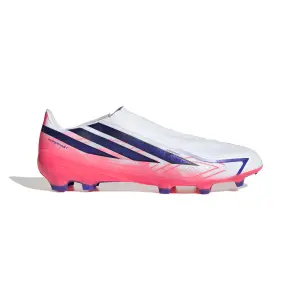
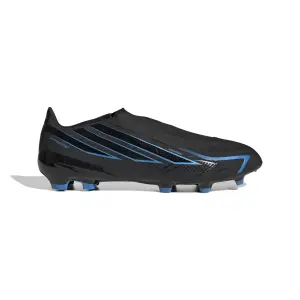
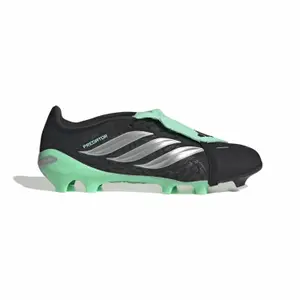
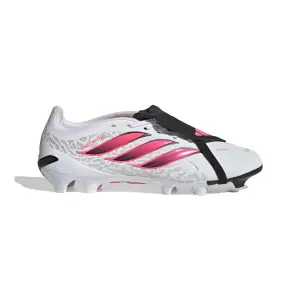
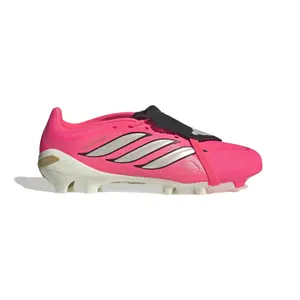
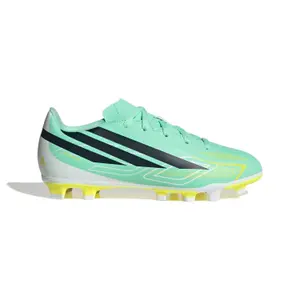
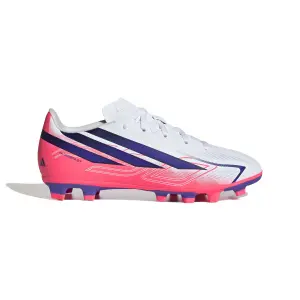
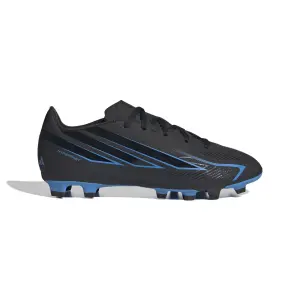
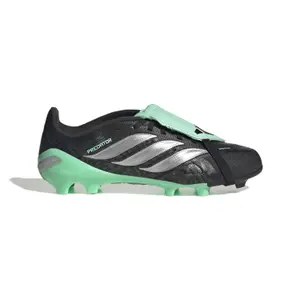
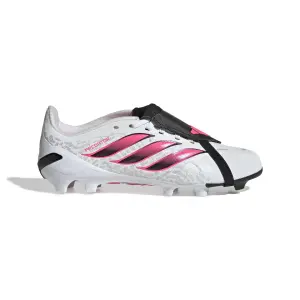
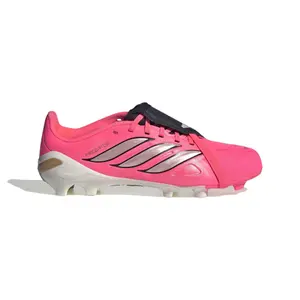
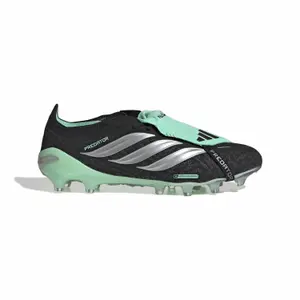
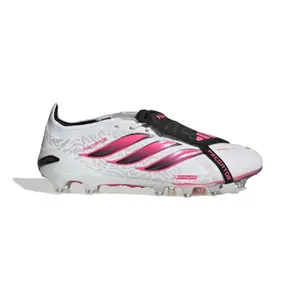
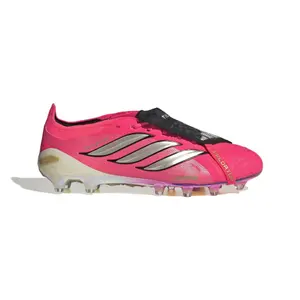
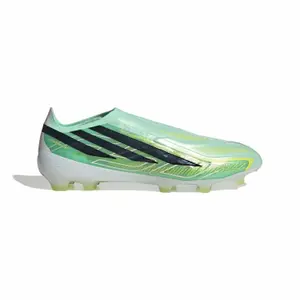
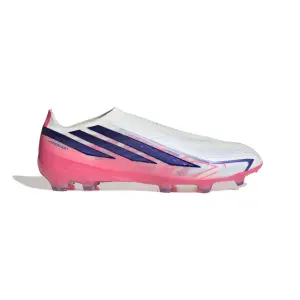
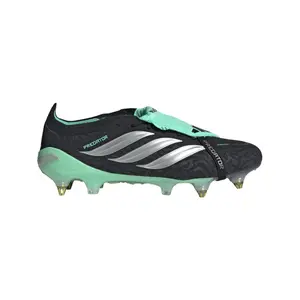
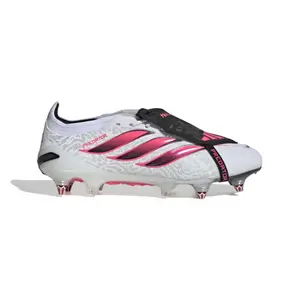
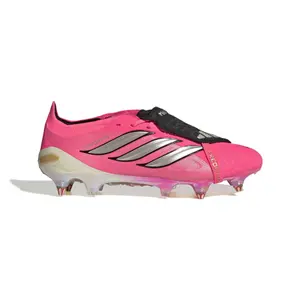
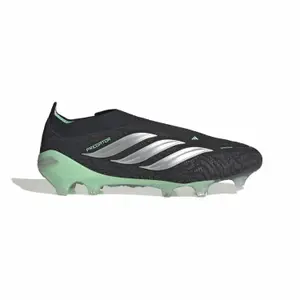

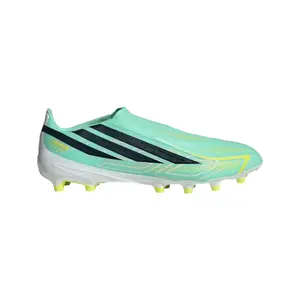
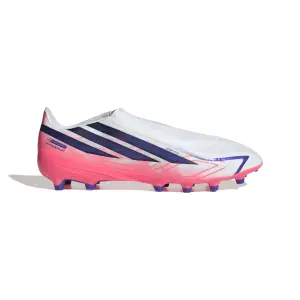
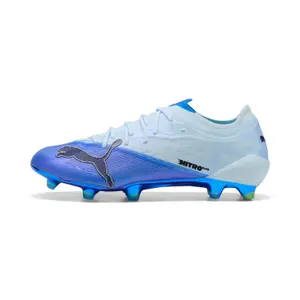
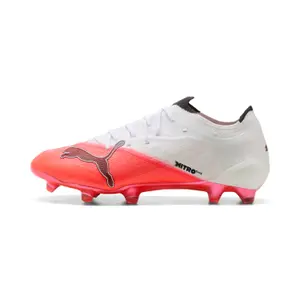
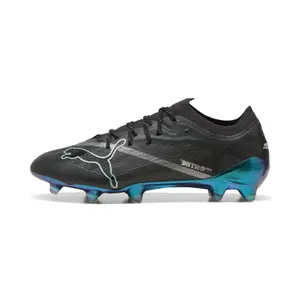
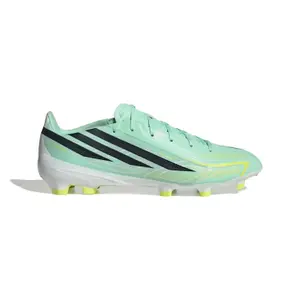


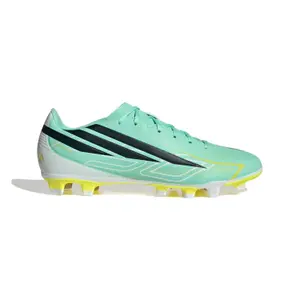
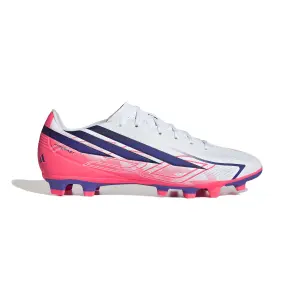
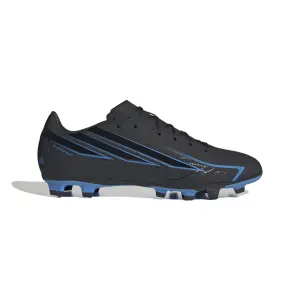
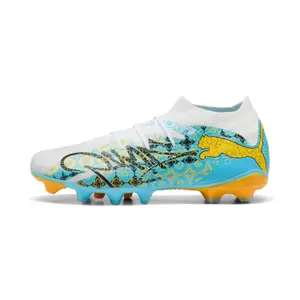
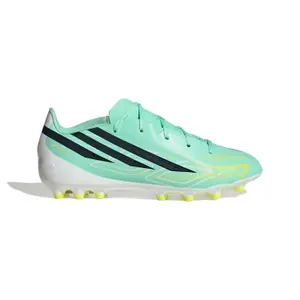
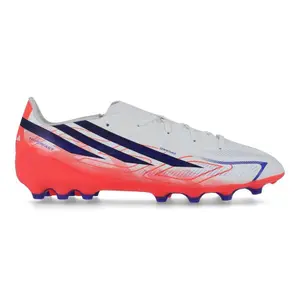
The latest football boots bring together the newest styles and colours from the top ranges adidas and Puma. You'll find the F50 and the Predator, the Ultra and the Future, in premium versions as well as more affordable options, for adults and kids, on grass, synthetic or soft ground.
The latest models, as soon as they come out
F50 and Predator, two adidas lines making a comeback
The F50 was born just before Euro 2004 as a speed boot from adidas. After nearly ten years away, it returned in 2024 with a slim upper and a sole designed for explosiveness, and it now comes in Hyperfast versions, with or without laces. The Predator, launched in 1994 on an idea from former Australian player Craig Johnston, uses rubber textures on the upper to better control the ball. Its FT versions have brought back the foldable tongue, a signature feature of the early models, which clears the strike zone of the laces.
Browse the new arrivals by brand and surface
To track a specific brand, the adidas page gathers all the F50 and Predator models, while the Puma page features the Future, Ultra, and King. Other equipment manufacturers are grouped under Other brands. Starting from your playing surface, the Terrains page categorizes the models by sole, and the entire selection remains on Football Boots.
Ultra and Future, the two faces of Puma
At Puma, the Ultra is the speed line since its launch in 2020, featuring a very lightweight upper and a stiff sole originally inspired by athletics spikes. The Future, introduced in 2018, targets playmakers with a compression band at the midfoot and a Dynamic Motion System sole that facilitates directional changes. The Ultimate versions are the pinnacle, worn by professionals, and the kids' models reflect the design in junior sizes, with the same colours as the adults.
Taking your first steps in a new pair
A new pair of boots needs breaking in before playing a full match. Wear them first during one or two training sessions: the foot and the upper gradually adjust, and you can spot any potential hot spots without the pressure of a game. Current synthetic uppers don't stretch much, so it's crucial to choose the right size at purchase; try them on in the evening when your foot is slightly swollen. Lace-less versions, marked with the letters LL, require even more careful fitting: the elastic cuff should hold the heel without squeezing the instep. If blisters occur, a second skin plaster can protect the area during the break-in period.
The new arrivals and highlights of the year
A new release doesn't stay solo for long: as soon as a more recent colourway comes out, the previous one often joins the Promotions page, particularly during Black Friday and the end-of-year holidays. The winter sales and then the French Days in spring extend these opportunities, leading up to the summer sales. When training resumes, the Clearance section welcomes the generations replaced by the latest releases.
Frequently asked questions
Why are so many football boots pink or fluorescent?
Brands choose bright colours so their models stand out on the pitch and on screen, and each colourway often accompanies a launch. The colour doesn't affect performance: only the sole and fit matter.
What size should I choose for a child who wears size 24 to 28?
Measure their foot while standing, heel against a wall, and add about a centimetre for growth and comfort. At this age, feet grow quickly: check the size every three to four months rather than buying two sizes up.
Does a recent shoe fit a wide foot?
Speed boots like the F50 or Ultra have a snug fit that often hinders wide feet. At Puma, the Future is advertised as having a regular to wide fit on its Ultimate versions, which are more accommodating for a strong foot.
What sole should I take for playing on synthetic?
An AG sole, with short and numerous studs, or a versatile FG/AG if you also play on grass. A pure FG on synthetic wears out faster and grips too much, which puts more strain on the knees and ankles.
Should I wait before buying a new model?
If you're after a specific colourway in your size, it's better not to wait, as standard sizes are in high demand. If only the technology matters, the previous generation often offers very similar performance.