
Football boots Mizuno Morelia Neo


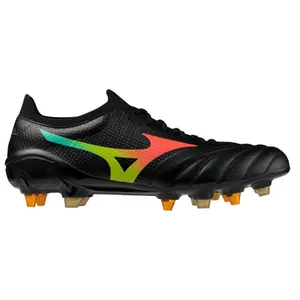
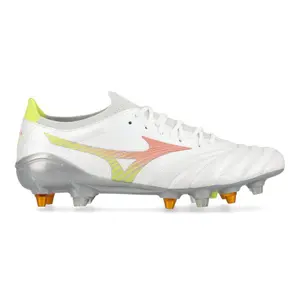
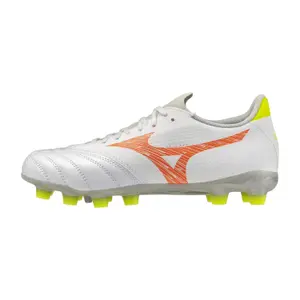

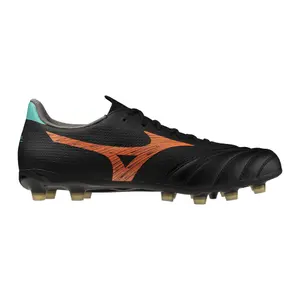
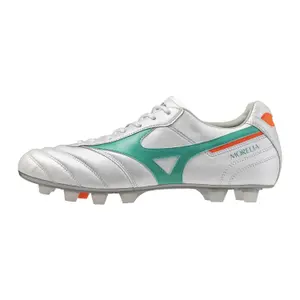

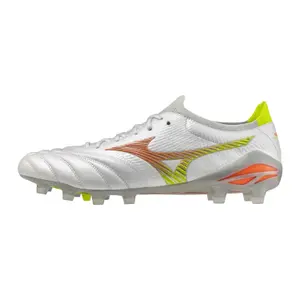
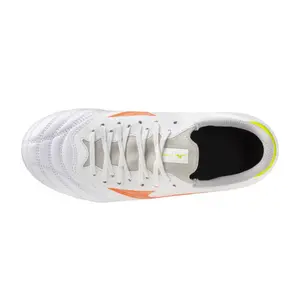
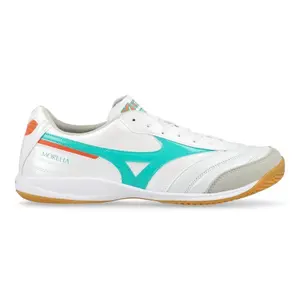
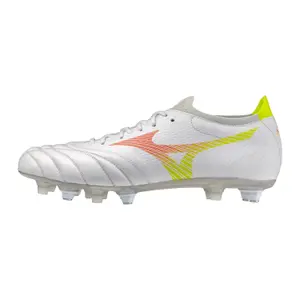

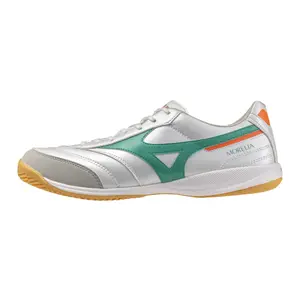

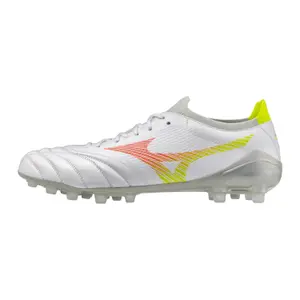


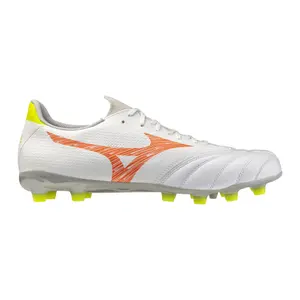
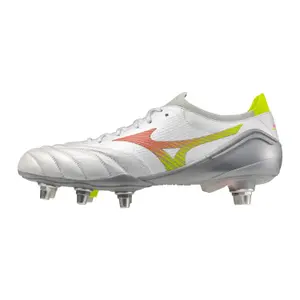


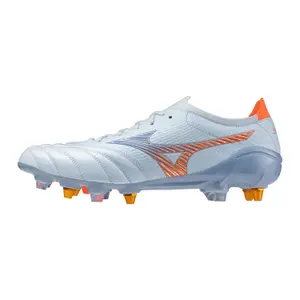
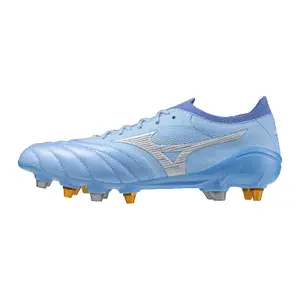


Launched in 2011, the Mizuno Morelia Neo took the leather from the historic Morelia and put it on a much lighter shoe. It is aimed at the player who wants the feel of kangaroo leather and the speed of a lightweight shoe, from the striker to the midfielder who covers miles.
The lightweight Japanese leather
The 2011 Bet: Lightening the Kangaroo Leather
Upon its release at the end of 2011, the Morelia Neo was presented as the lightest shoe ever produced by Mizuno. The secret lies in a very thin kangaroo leather upper, combined with a rigid and lightweight Pebax sole instead of TPU. The Neo thus retains the DNA of the Morelia, providing that direct contact with the ball, while offering the responsiveness expected by quick players. Subsequent generations have refined the shape, now called Engineered Fit Last Neo, for an even more precise fit.
The Other Mizuno Ranges to Consider
If you prefer leather in its most classic version, the Morelia remains the original shoe. The Alpha pushes speed even further with a woven upper, and the Monarcida is great for wider feet. To see the full range from the Japanese brand, check out the Mizuno page.
What Does Beta Mean in the Name of the Neo?
The mention of Beta refers to the lightest and most experimental version of the Morelia Neo. Since 2019, Mizuno has replaced part of the leather with a mesh or fine knit, in the midfoot or around the ankle, to gain lightness and flexibility. The forefoot remains in kangaroo leather, where touch is crucial. The Beta Japan is made in Japan, the Beta Elite is aimed at competition, and the more accessible Pro and Select versions keep the family silhouette. Kids also get their own Beta in junior sizes.
Screwed, Mixed or Moulded Studs on the Neo
The Morelia Neo comes in a wider range of soles than you might think. The FG is for dry grass, the AG is for synthetic turf, and the SG and Mixed versions, with screwed or mixed aluminium and moulded studs, take over on wet pitches from November to March. The versatile MG version is handy for players switching fields from one weekend to another. For futsal, the Morelia Neo Sala, in Elite and Pro versions, features a flat IN sole for grip on wooden floors.
How to Buy Your Morelia Neo Throughout the Year
When a new colourway of the Neo is released, the previous one often moves to the Promotions page, especially around Black Friday and the holiday season. The winter sales and then the French Days in spring provide opportunities to aim for a Beta Elite or Japan. After the summer sales, the resumption of training is a good time to scour the Clearance section.
Frequently Asked Questions
Is the Morelia Neo Suitable for a Forward?
Yes, its lightness and responsive sole serve well for sprints and strikes on the move, and the fine leather in the forefoot keeps precision in finishing. It strikes a good balance between speed and touch.
Does the Neo's Kangaroo Leather Stretch After a Few Matches?
Yes, slightly: after two or three sessions, it will conform to the shape of your foot. So choose a pair that fits snugly without being painful, and break them in during training before wearing them in a match.
Is a Beta Neo More Fragile Than a Full Leather Model?
It requires a bit more care, as the mesh in the midfoot is sensitive to repeated rubbing and impact from opponents' studs. Clean it with a damp sponge, without a hard brush, and store it in a dry place to preserve the fabric and seams.
Should You Size Up for a Neo?
Mizuno suggests considering a half-size more for their performance footwear. Measure your foot in the evening and compare it with the size chart: between two sizes, the larger one is often more comfortable with such fitted leather.
Can the Morelia Neo Sala Be Used Outdoors?
No, its flat IN sole is designed for gym and futsal surfaces; outside, it wears out quickly and doesn’t grip well. For stabilised or city pitches, you'll need a TF sole with small studs.