
The medic bag of the caregiver, ready for every match

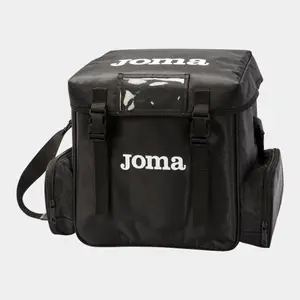
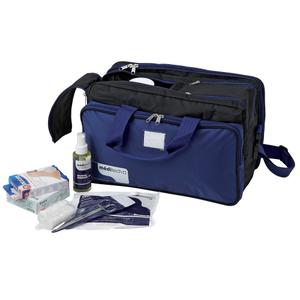
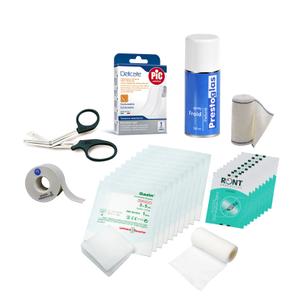
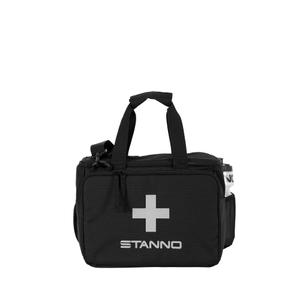
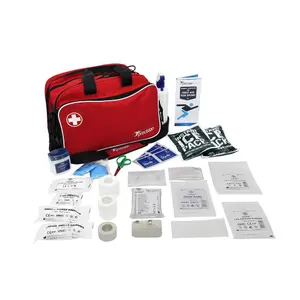
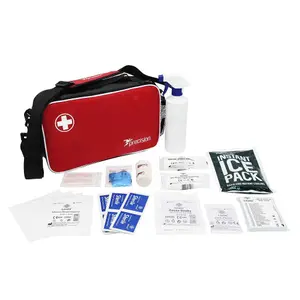
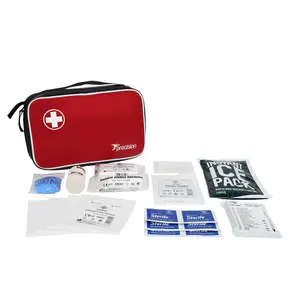
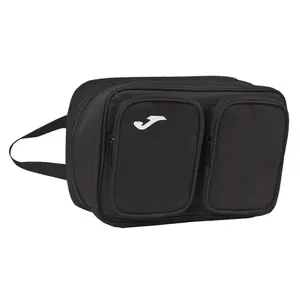
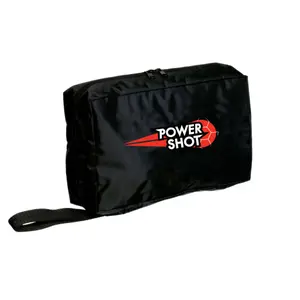
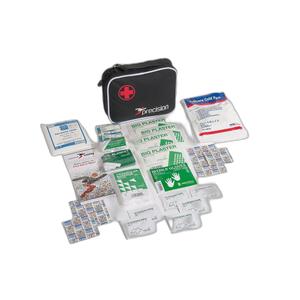
On the sidelines, the physio needs to find the right bandage or compress in a matter of seconds. A football medical bag organizes this equipment into compartments and pockets, is carried over the shoulder while rushing to the player, and is available empty or already filled with a first aid kit, from Errea, Macron, Joma, Stanno, or Precision.
All the necessary care, neatly stored and within reach.
Medical bag empty or filled: how to choose based on your club
The filled medical bag is the perfect solution for a starting team or a volunteer coach: it comes with its first aid supplies, like the filled Mid bag from Tremblay or the Run On Touchline Medi model from Precision Pro HX, delivered with a complete medical kit. The empty bag, such as the Macron Rescue pharmacy bag or the Errea Medical bag, is suitable for caregivers who already have their own equipment and want to organise it their way. Between the two, refills like the Refill C from Precision replenish a used kit without having to buy a new bag. At Joma, the small size of just over seven litres is sufficient for a youth team, while the pro medical bag from PowerCare offers more volume for a senior staff.
Fill the medical bag with the right care products
A bag is only as good as what it contains. The Cold Products provide sprays and ice packs to slip into the emergency pocket, the Bandages offer support bandages and strapping to stabilise a joint, and the Hot Products include pre-match warming creams. A full range of recovery and first aid products is gathered on the Care page.
What a football team’s first aid kit should contain
The Sports Code requires sports organisations to have a first aid kit and a means to alert emergency services, without specifying the exact contents. For football, the essentials consist of a few categories: sterile compresses and antiseptics for wounds, plasters and adhesive tape, support bandages and strapping for ankles, cold spray and instant cold packs for impacts, rounded-tip scissors, disposable gloves, and a survival blanket. Avoid medications, as these require medical advice. Add a sheet with emergency numbers and the location of the stadium’s defibrillator.
Compartments, shoulder strap and material: the details that matter
A good medical bag opens wide to see everything at a glance. The internal pockets that are separate or labelled prevent you from having to empty the bag on the pitch to find a bandage. A reinforced base and a fabric that resists moisture withstand a wet field and can be wiped clean easily, an important point of hygiene when the bag is around compresses. Also check for portability: the shoulder strap frees your hands while running to a player on the ground, while the handles are used for transporting from the changing room to the bench. The compact sizes from Precision or Stanno can be grabbed with one hand, while larger models stay near the bench.
Equipping the medical staff at the right time of year
A medical bag is often purchased for several years, so it's wise to aim for the right periods. Black Friday and the holiday season allow the club to renew the kit before the second phase, keeping an eye on Equipment Deals. The winter sales are for replacing a worn bag during the break, the French Days in spring, on the Equipment page, to prepare for tournaments, then the summer sales and the return to training to equip new youth categories, sometimes through Clearance.
Frequently asked questions
Who should carry the medical bag during an amateur match?
In most clubs, a manager or coach is designated as the care reference for each match. They keep the bag near the bench, check its contents before kick-off, and know where the defibrillator and phone are to alert emergency services.
How many times a year should the contents of the kit be checked?
A quick check after each match allows for replacing what has been used. A full inventory at least twice a year, at the return and during the break, identifies expired compresses and antiseptics and nearly empty cold sprays.
What volume of medical bag is suitable for a youth team?
For a U7 to U13 team, a compact bag of seven to ten litres is sufficient: injuries are mainly bumps and scrapes. Seniors and clubs competing at a regional level benefit from moving to a larger model, with more bandages and strapping.
Can the medical bag be taken on a coach trip?
Yes, it's even essential: the kit follows the team everywhere, including tournaments. Store it last in the luggage compartment to have it on hand upon arrival, and don’t leave it in direct sunlight, as heat damages cold sprays.
How to clean a medical bag after a match in the rain?
Empty it completely, wipe the inside with a cloth and a mild disinfectant, then leave it open to dry before putting the equipment back in. A damp bag can encourage mould and damage the compresses in their packaging.