
Replacement studs for screw-in shoes
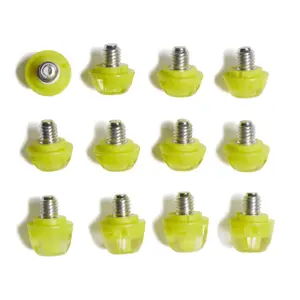


A worn or missing stud affects the grip of the shoe. Our replacement studs are designed for screw-in stud shoes for soft ground: aluminium, nylon or mixed models from Uhlsport, TPU, conical or ceramic studs from adidas, and the keys that allow you to tighten them in just a few seconds at the edge of the pitch.
The grip on soft ground, piece by piece.
Aluminium, nylon or TPU: which screw-in studs for which terrain
Screw-in studs equip SG shoes, designed for soft ground, for lush, waterlogged natural grass where a moulded sole slips. Aluminium remains the most common choice: lightweight and durable, it digs into soft ground and provides traction during changes of direction. Nylon and TPU, even lighter, are suitable for shallower lawns, and mixed studs combine both materials.
Metal studs are reserved for natural grass. On synthetic pitches, they grip too much, damage the surface, and expose knees and ankles to twists: a moulded AG or FG sole is much more appropriate there.
The other player accessories to slip into the bag
Once the studs are changed, other accessories complete the bag. Flip-flops take over from shoes in the locker room and under the shower. Water bottles ensure hydration during warm-ups and breaks, goalkeeper gloves keep fingers warm, and hats and caps are useful on the bench. The accessories page brings together all the small gear.
From Balingen leather studs to the final in Bern in 1954
The stud is at the heart of Uhlsport's history. The company, founded in 1948 by Karl Uhl in Balingen, Baden-Württemberg, initially made leather studs for football shoes, then soles from 1953. The brand's expertise in this field predates its famous goalkeeper gloves.
The 1954 World Cup final in Bern made screw-in studs popular: in the rain, West Germany beat Hungary three goals to two with adidas shoes whose longer studs can be changed according to the condition of the pitch. However, the German Patent Office reminds that Adi Dassler did not invent the concept, patented as early as 1949 by Alexander Salot.
Changing screw-in studs without damaging the threading
- Check before each match: a chipped or sharp stud must be replaced, as it can injure an opponent and the referee may ban it.
- Cleaning the thread: unscrew the stud, brush the sole's threading to remove dirt and sand grains, which can seize the screwing.
- Tightening with a tool: first screw in by hand to properly engage the thread, then finish with the tool, either butterfly or hexagonal, without forcing it to avoid tearing out the insert.
- Full set: change all the studs on the same shoe at once to maintain consistent traction.
Restocking screw-in studs before winter
Wet lawns arrive with autumn: it's the time to take advantage of Black Friday equipment promotions to keep an extra pair in the bag, ahead of the rainy matches in December and winter sales. In spring, the French Days for equipment allow for replacing worn studs during the season, followed by summer sales and the return of training. Clearance sales feature end-of-range items, and every order is prepared and dispatched within 24 hours.
Frequently asked questions
Can adidas studs screw into shoes from another brand?
Many SG shoes share a common threading, but systems may vary between brands and soles. Compare with an original stud or check your shoe's specifications before ordering.
How long does a set of aluminium studs last?
It depends on use: walking on concrete in the car park wears out the metal much faster than a match on grass. Change them as soon as they become sharp, chipped, or significantly shorter than new ones.
Can a referee refuse damaged studs?
Yes. The referee checks the equipment before kick-off and can demand the removal of any dangerous elements. A sharp or deformed metal stud falls into this category: the player must change it before entering the field.
Do you need long studs when the pitch is very muddy?
The deeper the mud, the more a long stud helps to find traction. On simply wet grass, shorter studs are sufficient and strain the joints less.
Can a child play with screw-in studs?
Yes, on very lush natural grass, if the club allows it. For a young player alternating between synthetic and grass, a moulded sole remains more versatile and lighter for everyday use.