
Kids' goalkeeper shorts


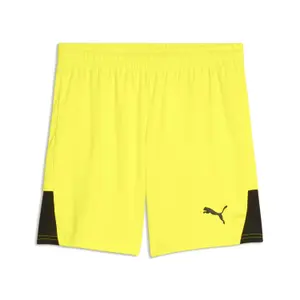
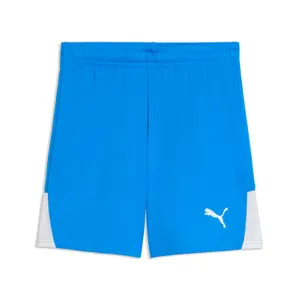
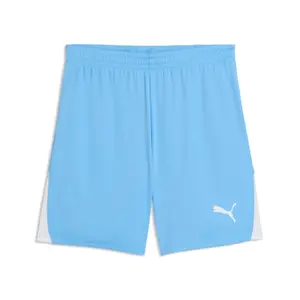

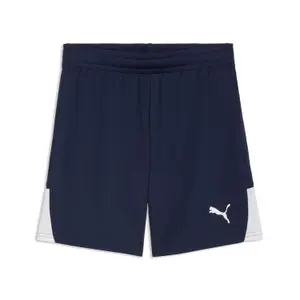
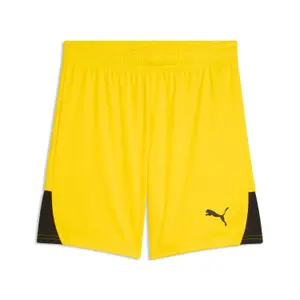
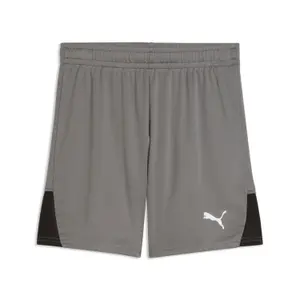
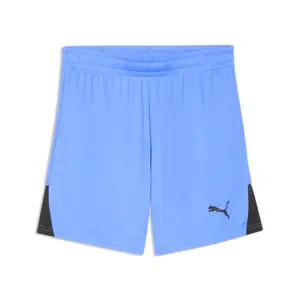
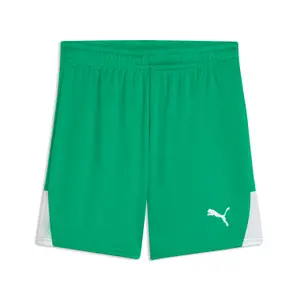
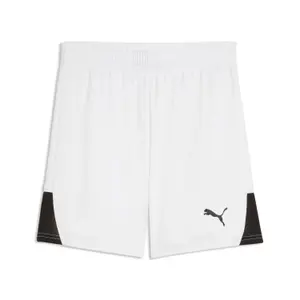


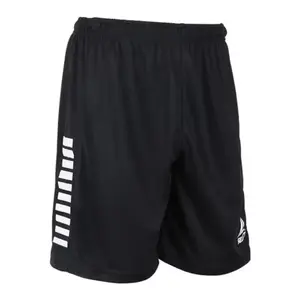


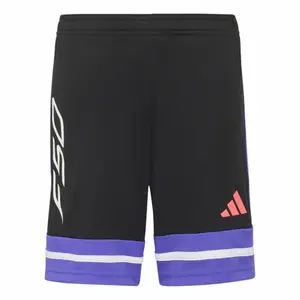
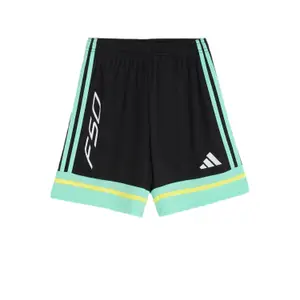


As soon as the temperatures rise, the young goalkeeper swaps his trousers for shorts that let his legs move freely for relaxation. Our children's goalkeeper shorts, like the Errea Cayman model designed for the position, offer a cut made for diving and can be worn comfortably with a similar coloured under-short.
Free in his stance, protected on landing.
Shorts: padded or lightweight depending on the child's playing surface
The surface determines the model. On natural grass, a lightweight goalkeeper short is sufficient: the ground cushions falls, allowing the child more freedom for jumps and lateral movements. On synthetic or dry surfaces, the hip touches the ground with every dive, and shorts with side protections prevent burns and bruises.
In between the two, a common solution is to wear a standard goalkeeper short over padded shorts. The child keeps a short that fits for matches and adds or removes protection based on the day's surface, without needing multiple outfits.
Matching the shorts to the rest of the young goalkeeper's kit
The shorts match with the top and what is worn underneath. Kids' goalkeeper shirts complete the outfit, and goalkeeper baselayers can be worn under the shorts for support or padding. When the cold returns, goalkeeper trousers take over, while goalkeeper protections cover knees and elbows. Goalkeeper sets come with matching top and shorts. All the gear can be found in kids' goalkeeper equipment, and larger sizes switch to adult goalkeeper shorts.
What distinguishes a goalkeeper's shorts from a player's shorts
A player's field shorts are designed for running; a goalkeeper's must also withstand falls. Its looser fit allows the leg to come up high during a jump without the fabric pulling, and its length often goes a bit lower on the thigh for coverage upon landing.
The fabric must endure repeated sliding, and its colour matches that of the goalkeeper's shirt, which should contrast with both teams. The Errea Cayman shorts, specifically designed for the position, exemplify this approach: a proper goalkeeper garment, not a repurposed player short.
Undershorts and colour: rules to follow during a match
Many young goalkeepers wear undershorts or tights under their shorts. The rules regulate this habit: the base layer must be the main colour of the shorts, or that of the lower part. A black tight under a neon green short may therefore be rejected by the referee.
For size, the shorts are chosen based on the child's stature, like the rest of the kit. They should fit at the waist with the drawstring without constricting the stomach and allow a hand to pass between the thigh and the fabric. Also, check that it adequately covers the top of the tights: an undershort that sticks out wears quickly against the ground.
Getting ready for sunny days with a new goalkeeper short
Shorts are mainly worn from spring to autumn, but good opportunities arise throughout the year. Black Friday and the festive season allow for purchases in advance, then winter sales pave the way for children's promotions on current sizes. The spring French Days arrive when shorts become the norm again, followed by summer sales and the return of training. Clearance sales offer end-of-line colours, and every short is prepared and dispatched within 24 hours.
Frequently asked questions
Can a child goalkeeper play in a standard player's shorts?
They can, especially in training and on grass. But a player's short, being shorter and tighter, leaves the thigh exposed upon landing and provides no protection: on synthetic, the difference is quickly felt.
Does my child have to wear shorts of the same colour as their shirt?
The rules do not require it, but the goalkeeper's kit should clearly distinguish them from players and referees. A short that matches the goalkeeper's shirt remains the simplest solution to avoid any confusion with teammates.
How can I prevent burns on the thigh when wearing shorts on synthetic?
The best defence is padded tights or leggings under the shorts, covering the skin upon landing. Teach the child to fall on the side of the hip rather than slide on the thigh.
What length of shorts is best for a child goalkeeper?
Shorts that stop above the knee, without covering it, offer the best compromise. Shorter ones leave the thigh bare; longer ones may hinder bending during low dives and knee landings.
Are goalkeeper shorts washed like regular shorts?
Yes, in the washing machine at 30 degrees, inside out, without fabric softener. If the model has protections, avoid the tumble dryer which can deform the padding, and rinse off mud before washing after a match in the rain.