
Underlayers and base layers for young goalkeepers


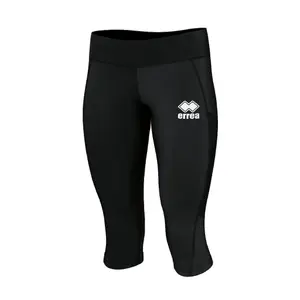
Under the shirt and shorts, the base layer changes the life of a young goalkeeper: it keeps the muscle, retains heat when they stay still in their goal during winter, and in its padded version, cushions dives on synthetic pitches. Our kids' goalkeeper baselayers include undershirts, shorts, and leggings from Uhlsport, Errea, Erima, and Puma.
A second skin designed for diving.
Padded baselayer or simple base layer for a young goalkeeper
It all depends on the surface your child is playing on. On a synthetic pitch or a dry field, a padded short protects the hip and outer thigh with every impact: the Uhlsport Bionikframe range features soft Bionikpad cushions placed where the body touches the ground, and its Res version adds a reinforced area against abrasion. On natural grass, many young goalkeepers prefer a base layer without padding, which is lighter: the Bionikframe Unpadded short or the Uhlsport Distinction under-shorts provide support without the bulk.
Keep in mind that a baselayer remains a technical undergarment: worn alone, without shorts on top, it wears out quickly with contact from studs and slides.
Completing the young goalkeeper's outfit around the base layer
The base layer is always worn under something else. For the top, children's goalkeeper jerseys offer long sleeves and protected elbows, while goalkeeper shorts fit over a short. When the cold sets in, goalkeeper trousers cover the entire leg, and goalkeeper pads add knee and elbow protection. Goalkeeper sets provide a matching outfit in one go. The whole world of the young keeper can be found in the children's goalkeeper equipment, and larger sizes transition to adult goalkeeper baselayers.
Base layer, shorts or leggings: which piece depending on the weather
- The long-sleeve under-shirt, like the Uhlsport Distinction or the Errea Active Tense Lite, protects the arms from the cold and chafing under a short-sleeve jersey.
- The leggings cover the leg down to the ankle: the Distinction Pro Long Tights from Uhlsport, thin and fitted, made of polyamide and elastane, have flat seams that don’t mark the skin, and the Errea Marlene does the same job of support.
- The compression shorts or short, like the Puma Liga Baselayer in dryCELL fabric that wicks sweat, or the Erima model, are sufficient as temperatures rise.
Colour and size of the base layer: the rules to know
Football regulations are precise on this point: the base layer on the bottom must be the main colour of the shorts, or that of its lower part, and an under-shirt should match the main colour of the sleeves of the jersey. A referee can therefore ask your child to remove a legging that stands out. Opt for black or the colour of their club shorts.
As for size, children's base layers are chosen based on height: the Distinction Pro Long Tights, for example, range from 116 to 164, which is approximately ages 6 to 14. The fabric should fit snugly against the skin without being tight enough to dig into the waist or back of the knee; otherwise, muscle support can become uncomfortable.
Renew the base layers of your young goalkeeper without delay
A child grows quickly and wears out their shorts with every dive session. Keep an eye out for children's promotions during Black Friday, over the holiday season, and during winter sales, in the heart of the cold season when leggings are most needed. In spring, the French Days for children occur before the end-of-season tournaments, then summer sales and the return of training allow you to restock with a base layer in the right size. Clearance end-of-lines complete the outfit, and every order is processed and shipped within 24 hours.
Frequently asked questions
Is a baselayer enough to keep a young goalkeeper warm in the middle of winter?
It helps a lot, as the goalkeeper moves less than their teammates and cools down quickly. A long-sleeve under-shirt and leggings under the shorts keep warmth, but in very cold weather, wearing goalkeeper trousers on top is more comfortable.
Should I get a size up so my child can grow into it?
No, a base layer that's too large loses all its purpose: it bunches, slides, and no longer supports the muscle. Choose the size that corresponds to their current height and replace it when the fabric starts to feel tight.
How do I wash compression leggings without damaging their elasticity?
Wash them at 30 degrees, inside out, without fabric softener, which clogs the elastic fibers. Avoid tumble drying and radiators: flat air drying keeps the fabric's shape and the padding of protected models intact.
At what age does a young goalkeeper need padded shorts?
As soon as they start diving regularly in training, especially if they play on synthetic surfaces. The padding helps prevent burns and bruises on the hip, encouraging them to dive without fear.
Does the padding hinder the running and movements of a small goalkeeper?
Well-designed pads are flexible and shaped to follow movement, so the child quickly forgets about them. Discomfort almost always comes from a poorly chosen size, which shifts the pads out of alignment with the hip.