
Football boots for kids and juniors
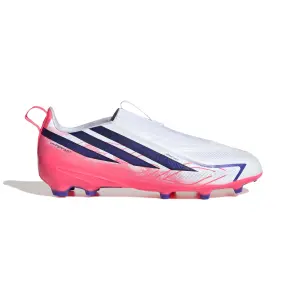
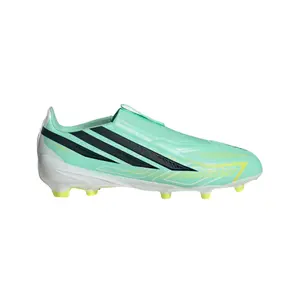
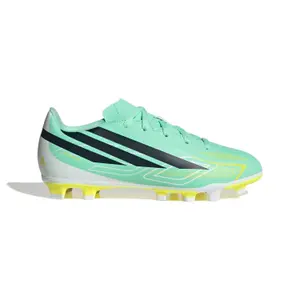
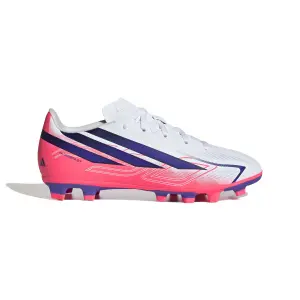
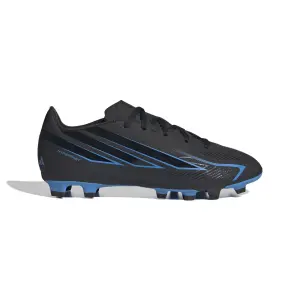
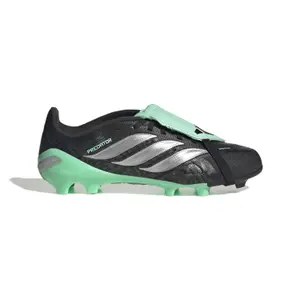
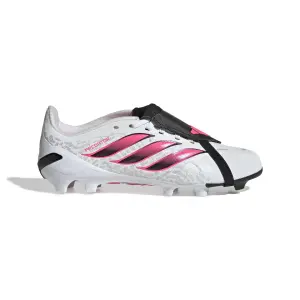
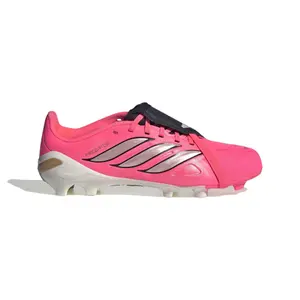

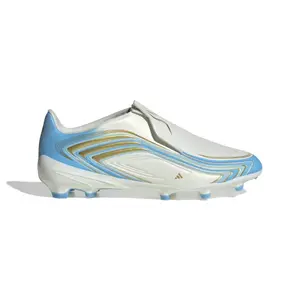

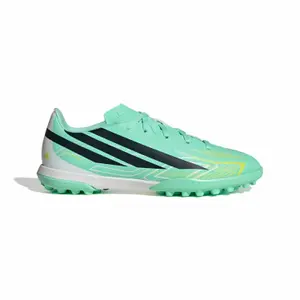
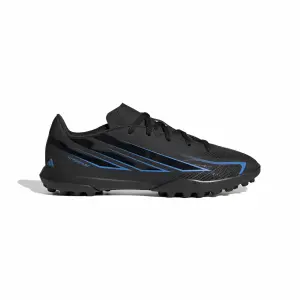
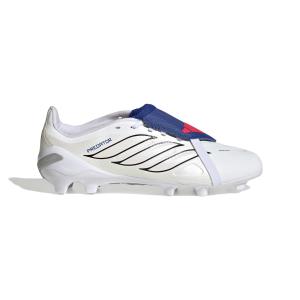
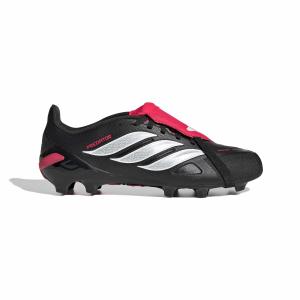
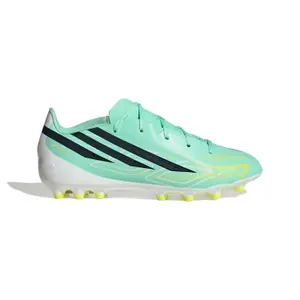
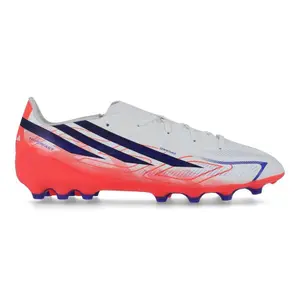
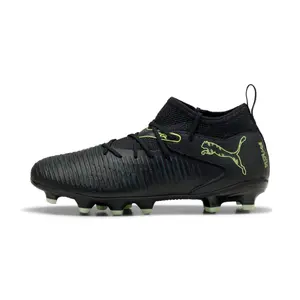
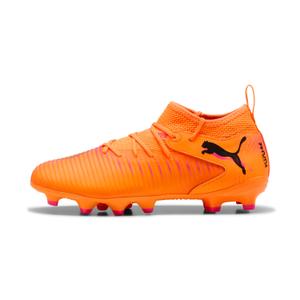
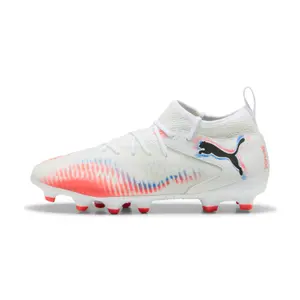
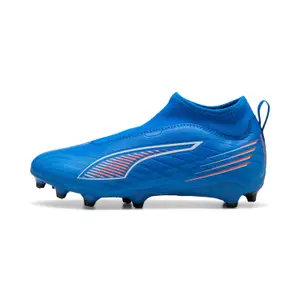
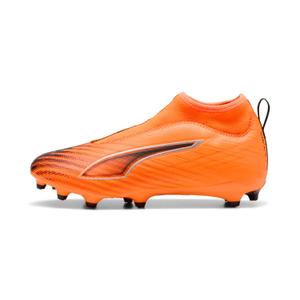
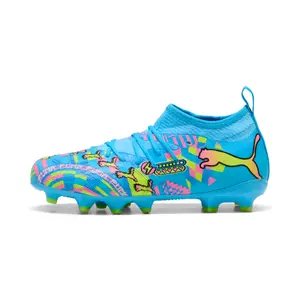
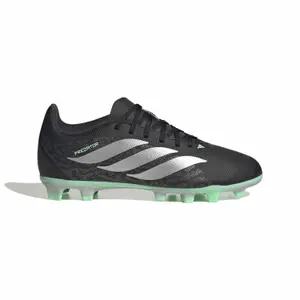

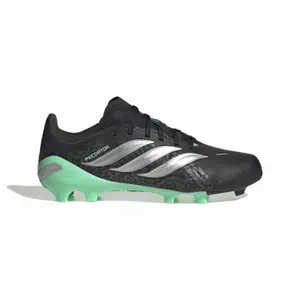

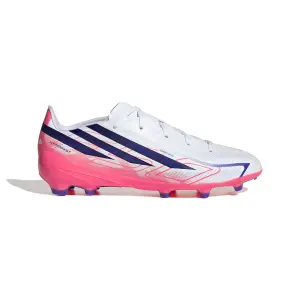
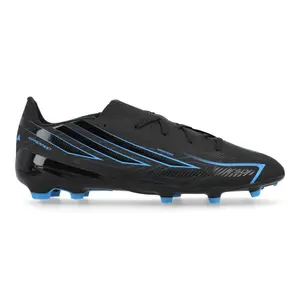
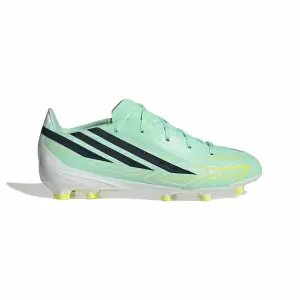
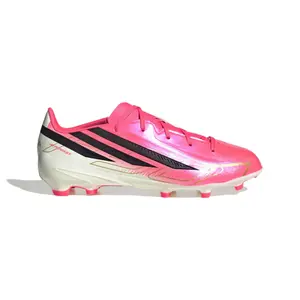
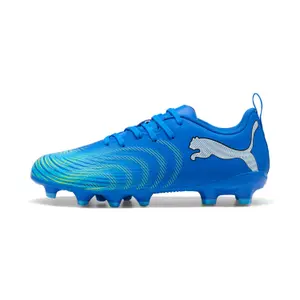
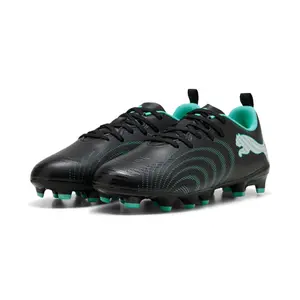
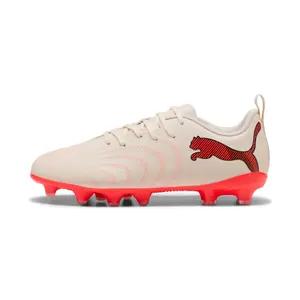
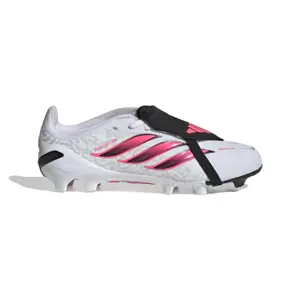
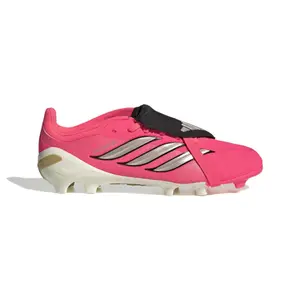
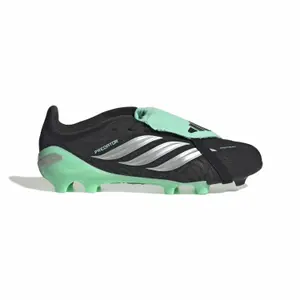
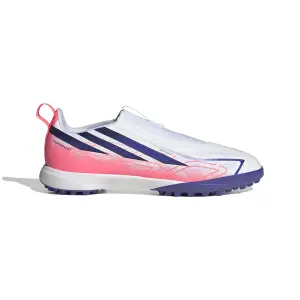

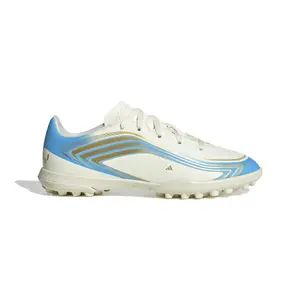
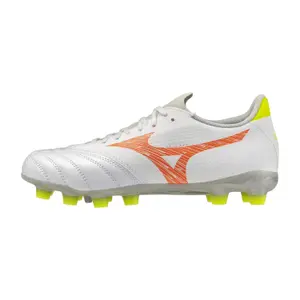
Kids' football boots in the right size and with the right sole are essential for improving without getting injured. Velcro for the little ones, laces or laceless for the older ones, moulded studs, synthetic sole or indoor: choose from the kids' models from adidas, Puma and other brands.
From the first stud to Saturday's match.
What shoe size to choose for a growing foot
Measure your child's foot while standing, at the end of the day, with their heel against a wall, and compare the length in centimeters to the brand's chart: sizes vary from one manufacturer to another. Leave about eight to ten millimetres of space in front of the big toe, no more, as a foot that floats slips in the shoe, hits badly, and is prone to blisters.
Measure both feet and go with the longer one. During the fitting, the heel should stay well placed at the back when the child stands on their tiptoes. It’s better to buy a new pair each year than to buy two sizes too big.
Children's shoes sorted by brand
Each brand has its children's page. The children's football shoes from adidas include the F50 Hyperfast and the Predator, from velcro to Elite versions. The children's Puma range offers the Future and the Ultra, the Japanese models for kids, Morelia, Monarcida, and Alpha, while other brands feature lesser-known manufacturers, from baby sizes to indoor models. For adult sizes, see the full range of football shoes, and for all the youth gear, visit the Children page.
Velcro, laces or no laces depending on age
Before the age of seven or eight, the velcro closure allows the child to put on their shoes by themselves in the locker room; adidas offers it on their F50 Hyperfast Club Vel. Lace-free models, like some F50 Hyperfast, wrap the foot in an elastic upper and provide a clean striking surface; they are suitable for rather slim feet.
As soon as the player knows how to tie their laces, the classic lacing remains the most adjustable, especially for a wide foot or a high instep. The Fold-Over Tongue versions of the Predator, with their foldable tongue, hide the laces for a cleaner strike.
Club, League, Pro, Elite: which level for which player
Brands offer each model in several levels. At adidas, the Club version is aimed at beginners with a simple upper and a versatile FG/MG plate; the League adds a more sophisticated upper and better support, a good choice for a child who trains twice a week. The Pro and Elite versions include the technology of the adult models, useful for a junior playing competitively.
At Puma, the idea is the same with the Play and Match levels. There’s no need to aim for high-end for a foot that will change size in the year: the consistency of play should guide the choice.
The right moments to buy shoes for a growing child
A child's foot often requires a new pair each year, so choose your timing: Black Friday and the end-of-year holidays to gift the pair of their dreams, winter sales for the next size mid-year. In the spring, the French Days for children precede the summer sales, perfect for equipping the child before training resumes in September. All year round, also check out the children’s promotions and clearance sales.
Frequently Asked Questions
What sole should be chosen for a child playing on synthetic surfaces?
An AG, FG/AG or FG/MG plate, with short and numerous studs, which grips without locking the foot in the fibers. Screw-in studs should be avoided on artificial grass, and a pure FG sole wears out very quickly there.
Do you need different shoes for futsal at the football school?
Yes, in a gym you need a flat, non-marking sole, marked IN or IC: studs can slide on the floor and damage the surface. adidas offers these indoor models down to smaller sizes, especially in F50 and Predator.
Can a girl wear the same shoes as boys?
Yes, children's football shoes are unisex: only the size and width of the foot matter. Bright colours appeal to everyone, and a slim foot fits well in lace-free models, which are more enveloping.
How can you prevent blisters with new studs?
Have them wear the pair at home, then during two or three training sessions before the first match. Check the size, tighten the laces without compressing the instep, and make sure the heel doesn’t rise with each step.
How many pairs does a young player need?
One pair suitable for the club's main pitch is enough to start. If the child plays on grass and indoors in winter, add a pair for indoor use; a second pair with studs only makes sense for regular competition.